Kate’s 4-month secondment at NGI, Oslo

Kate Heerema (ESR5) | @ NGI Oslo, Norway (March - June 2019)

From March to the end of June, I spent my time not in Durham, but in Oslo for my secondment at NGI. Over the 4 months, I tried to learn as much as possible about numerical modelling. Numerical modelling can be described as follows: using a variety of equations that form a “rulebook”, and given some standard input values, the computer calculates what the likely scenario is. However, there are usually some unknown variables, simply because we don’t have the data and rely mostly on theory! The system can be quite sensitive to these unknowns – a tiny change of the value can have major consequences for the model output. 

Because I was starting from scratch, there was a steep learning curve for me to get even slightly familiar with numerical modelling. Eventually, we set up a model using open source software for computational fluid dynamics – OpenFOAM. With lots of help from Matti Rauter (ESR14), we managed to set up a basic model after 14 days. Although this was far from bug-free, it did enable me to gain an understanding in numerical modelling – including its inherent and continuous debugging. We have now managed to set it up in such a state that I can continue with the model implementation when I get back to Durham. 

To me, this 4-month secondment embodied everything possible within SLATE; where we combine knowledge and expertise and try to build bridges between different fields. This is a unique opportunity to combine the expertise of scientists that are usually very segregated. My background is in direct, in-field measurements of turbidity currents. At NGI, the main task was to see if we could translate these measurements into a model that can predict the patterns we see in real-life. Ultimately, the goal is to set up a model that can reproduce real-life turbidity currents, and thereby work towards mitigating risks associated with these hazardous events. However, in order for that to work, the physics and variables need to be accurate enough to capture the complicated reality. In order to do so, we need in-depth knowledge of both the numerical model and the geology.

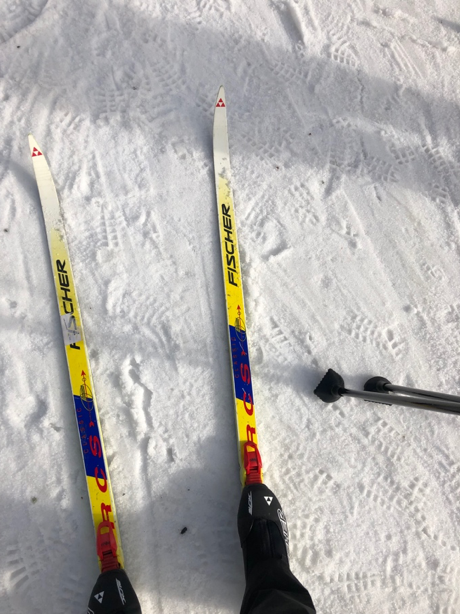
My secondment at NGI has been a great way to integrate into Norwegian life. All the people I have worked with over the last few months at the institute have been incredibly welcoming. I also got amazing insights into Norwegian culture (e.g. Vaffel fredag, “Waffle Friday”, is simply a great tradition!), and learnt that it actually does matter which wax you put under your cross-country skis… I am especially thankful to the colleagues that showed me the best bits of Oslo (and surroundings)!

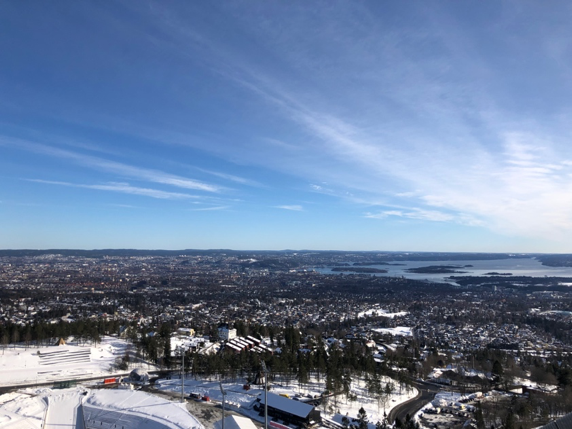
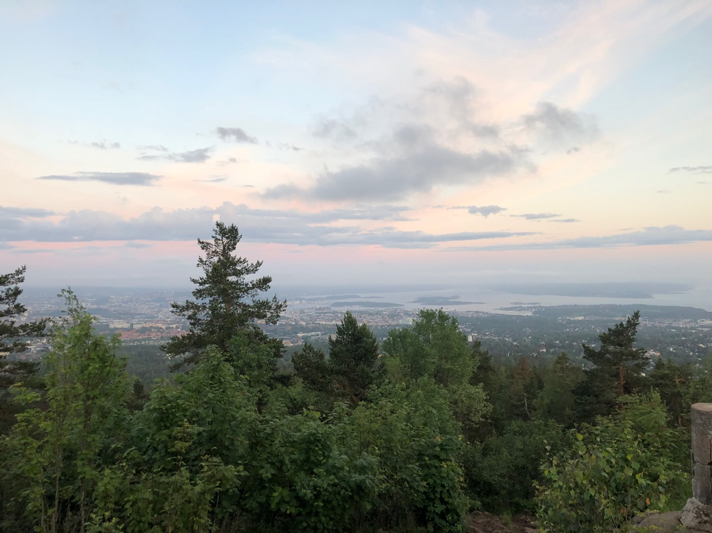
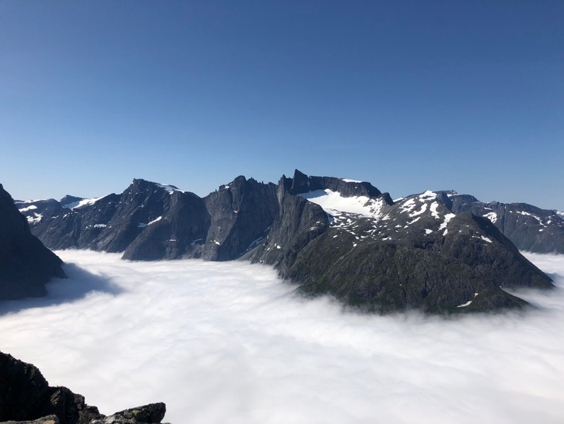
My four months in Oslo also provided me with the opportunity to explore Norway. Oslo is an amazing city – in many ways quite different to Durham. Both, however, have a feel for the outdoors, with close proximity to great nature. Here in Oslo, I was able to go cross-country skiing just by taking the metro; outdoor climbing with a view over the city; and swimming in the Oslo fjord (both in winter and summer). The long weekends in spring made it possible to go tour skiing near Gaustatoppen over Easter, and hiking in Rondane over “Pinse”. I finished off my secondment with a couple of weeks of holiday in Tafjordfjella and Åndalsnes; where I experienced both winter and summer within one week. Åndalsnes was also an interesting place to go as a geoscientist: the Mannen (“The man”) mountains nearby contain a section (Veslemannen, “The little man”, which has a volume of 120-180,000 m3) that is unstable. Veslemannen has been moving and predicted to collapse since 2014, and has kept locals, geoscientists, civil emergency response teams in Norway busy ever since.
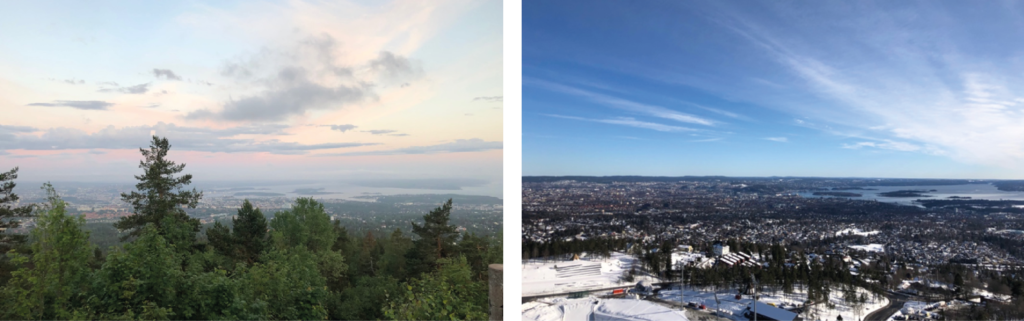

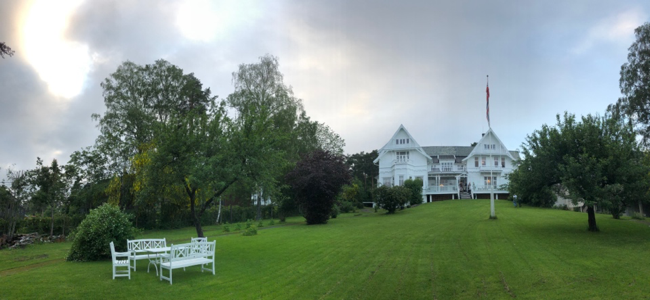
The location of the NGI summer party - a great way to start the summer

What is PhD life like beyond the science? –
behind the scenes @ Durham University, UK

Kate Heerema (ESR5)

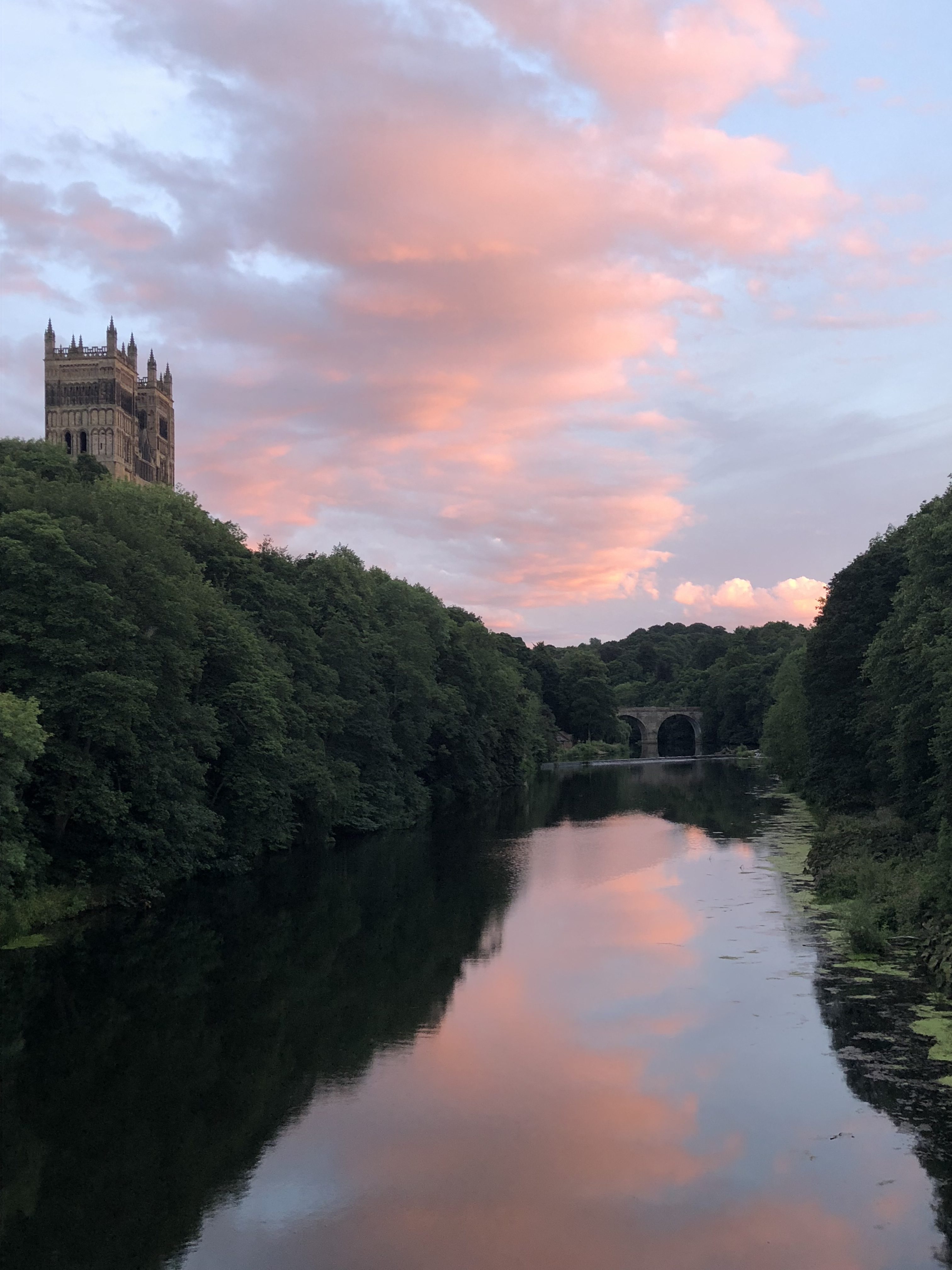
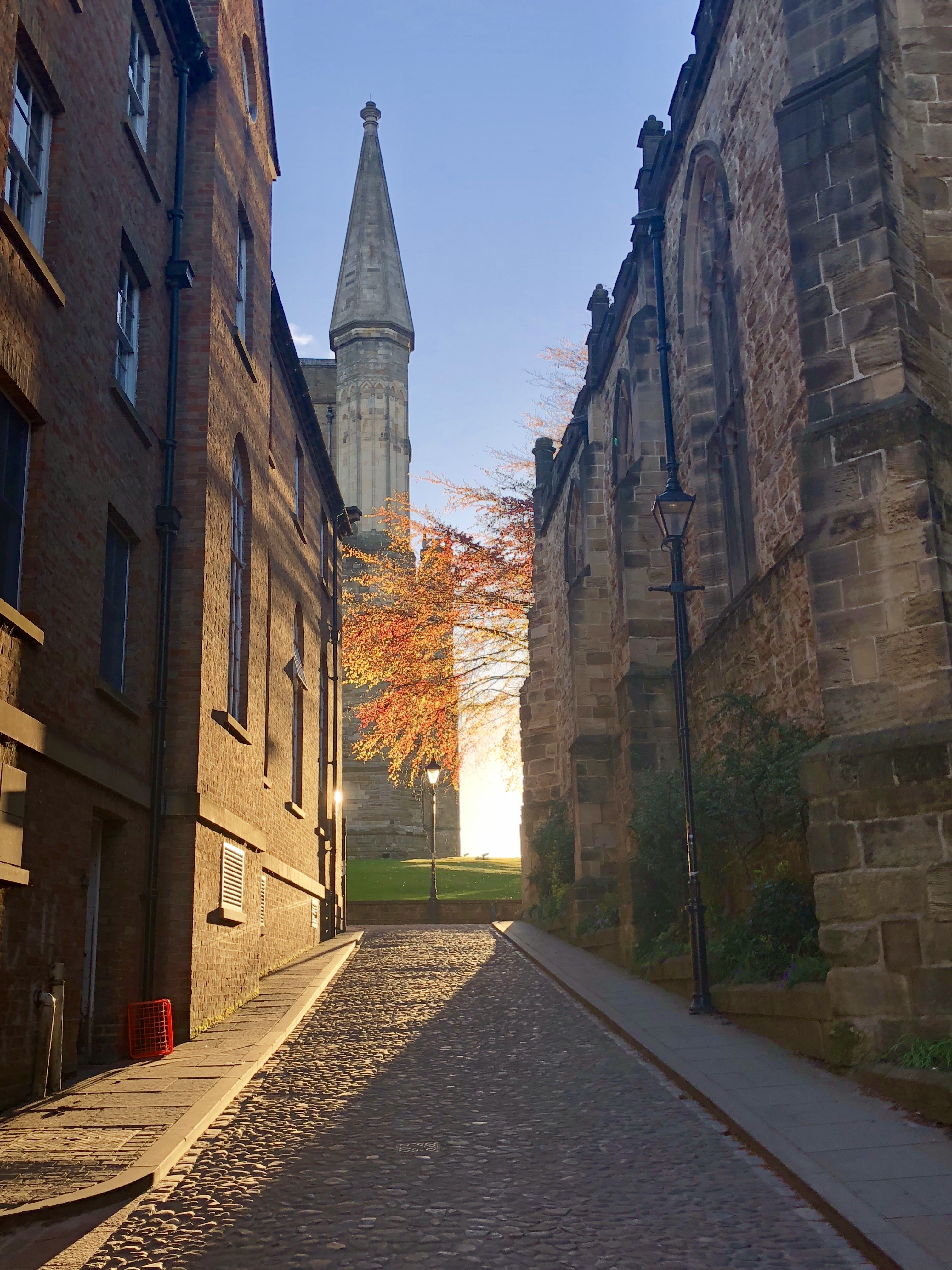
One year and one month into our PhDs — at least for most of us. “Time flies” is a gross understatement here I think. The PhD has already taken me to New Orleans, California, British Columbia, Germany, Switzerland and of course Durham, where I am based. Durham is a small quiescent town in North East England. It’s probably most famously known for its large cathedral, where part of Harry Potter were apparently filmed. I have also come to realise that Harry Potter related facts are a source of great pride for the English.

The Earth Sciences department in Durham is unfortunately not Harry Potter themed, although some do have an excellent view of the cathedral. My work environment is open plan; it is my office, shared with ~50 other postgraduates depending on the field season. And it is open plan to the fullest extent: you can see people work (or not…) on the other side. Or you can hear laughter from the coffee room across the open plan to improve your mood.

There are of course advantages and disadvantages to this. Stating the obvious: it is noisy, and there are days where you do not get a lot of work done. At least not as much as you would like to have done. Also, your typical fresher’s virus usually spreads quickly around the open plan. I realise that this does not sound very appealing so far; however, there is one major advantage to this open plan set-up – it is incredibly social. As a foreigner, moving to another city, another country(!) is always challenging. You have to find your place again, get used to different customs, and make new friends. The postgraduate community here is incredible, and allows you to quickly make friends and feel at home. You can also help your peers, and keep an eye out for each other, something that is always welcomed for PhDs. All in all, I would say: get yourself some good headphones, and then there are only advantages to an open plan environment. (Ok, apart from this virus spreading…) So let yourself be surprised, sometimes the advantages outweigh the disadvantages! 

Another great thing about Durham is that it is very close to the outdoors. Scotland is pretty close, as are some of the big national parks in England. So although travelling as part of the PhD is great, it is also very pleasant to be home, and to explore our new homes!

Lake Lucerne Workshop - why do we actually meet?

Kate Heerema (ESR5), Stefano Collico (ESR8) | 23 September 2018

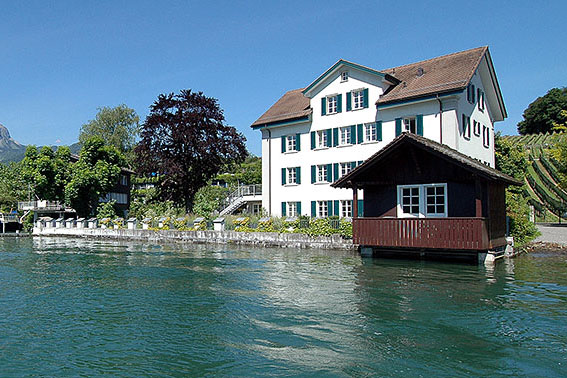
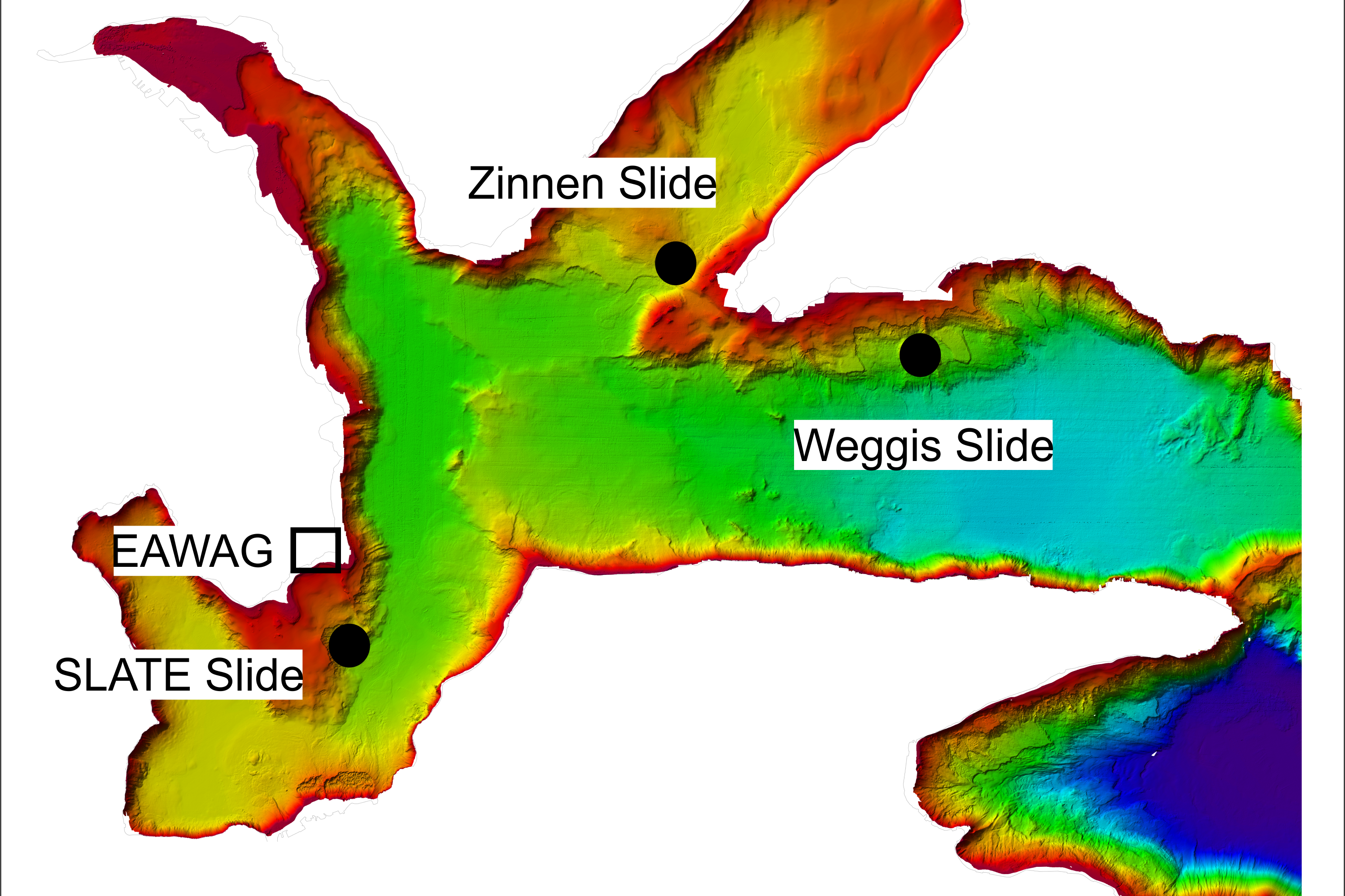
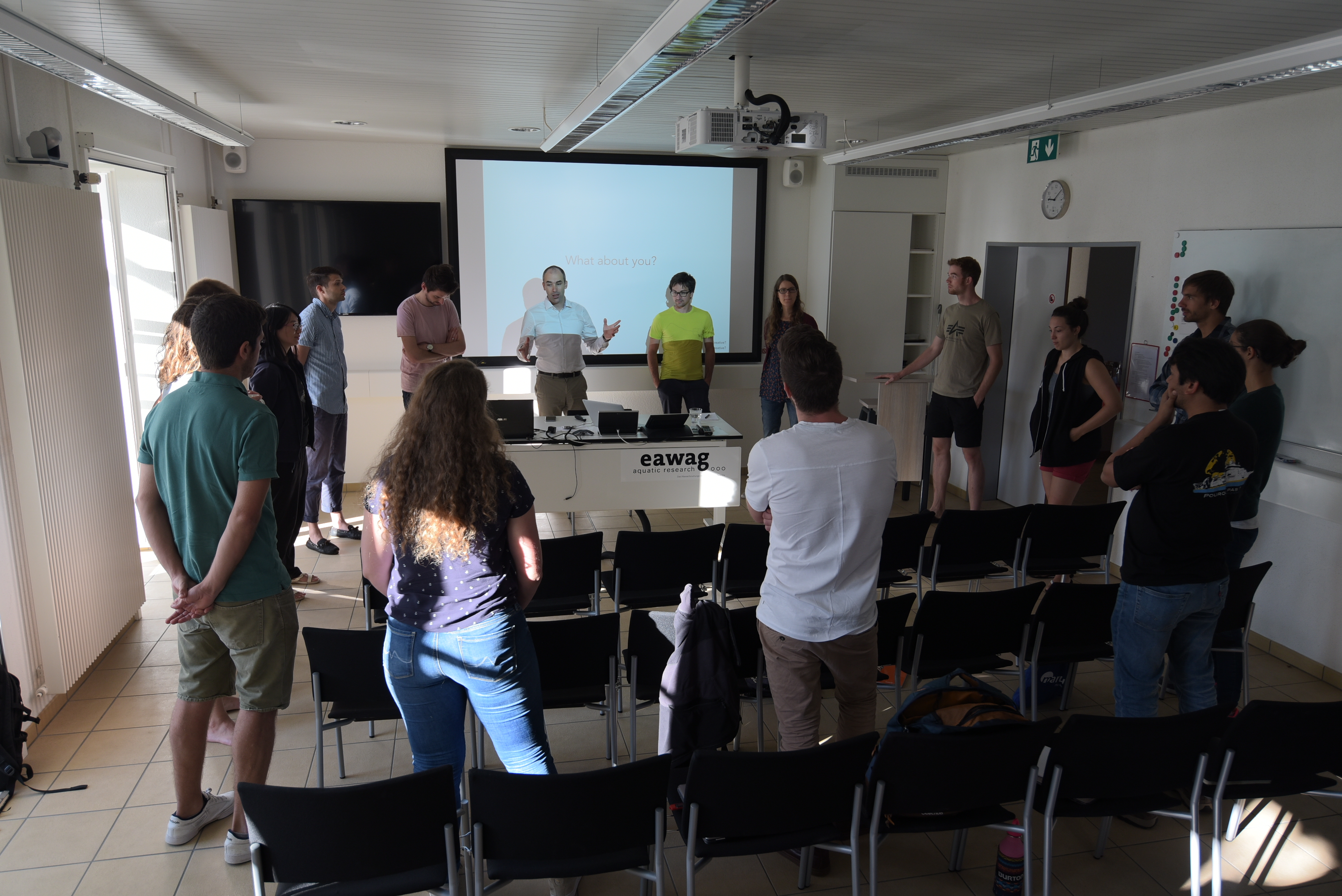
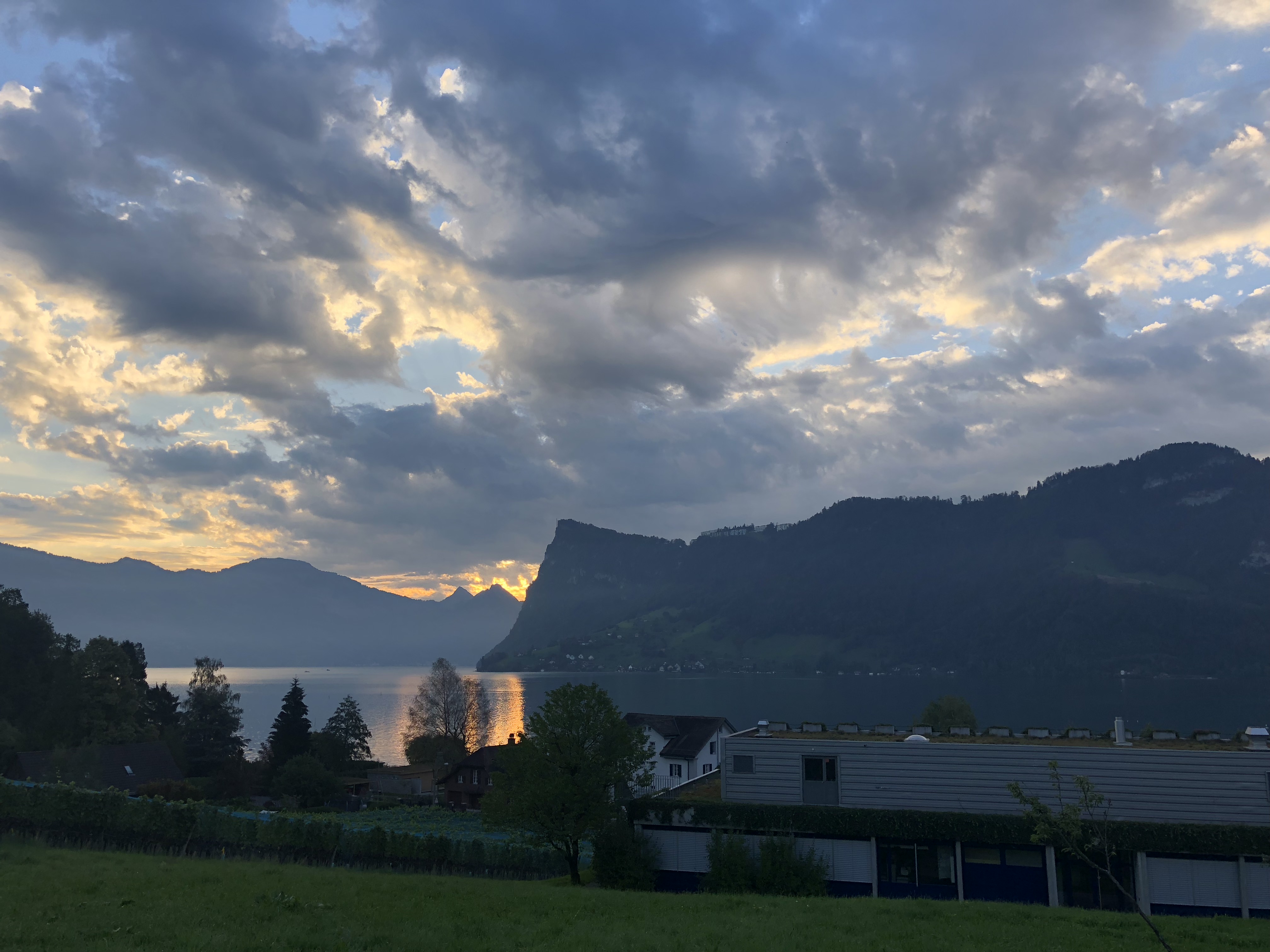
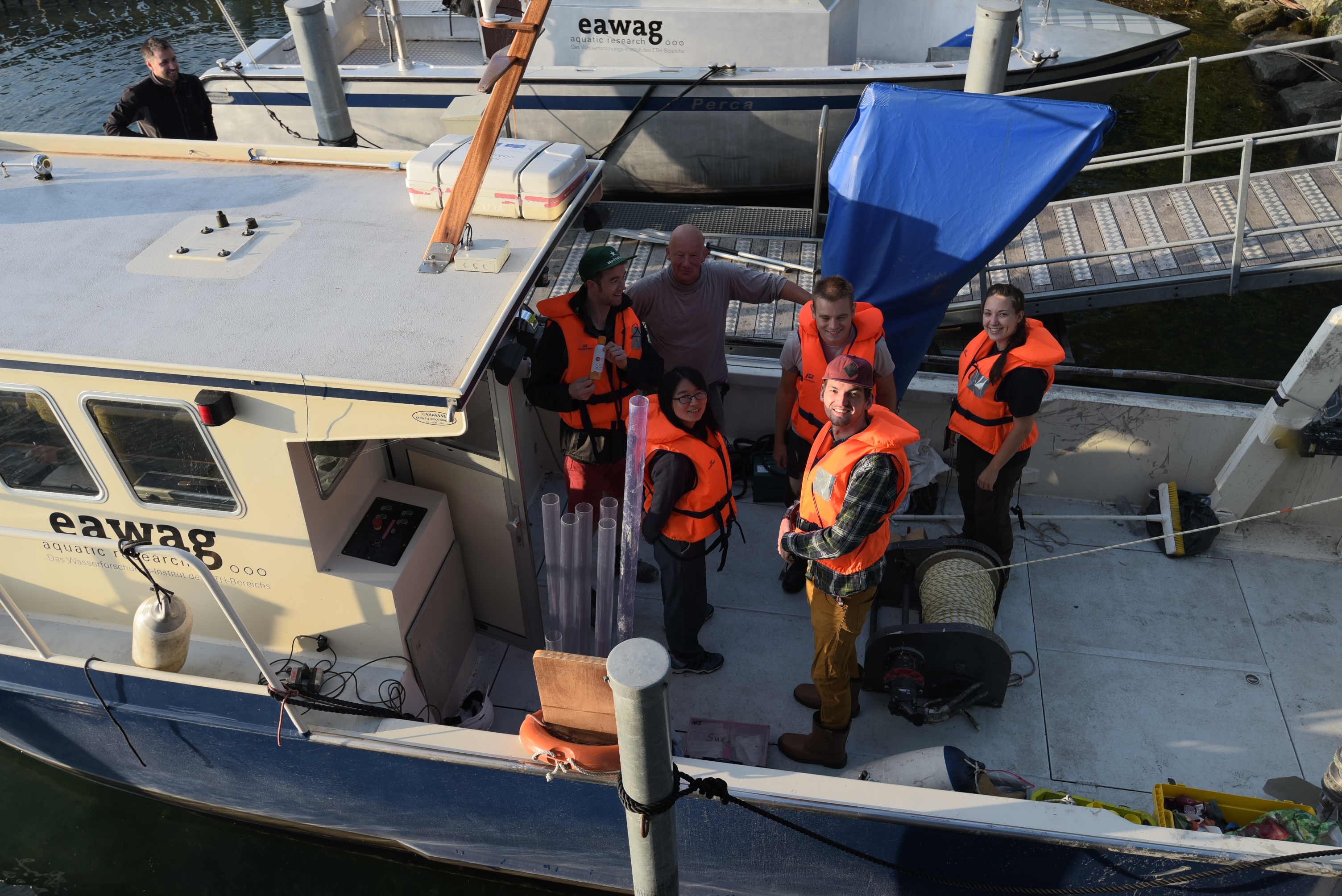
This year’s annual SLATE workshop took place in Switzerland, where we spent a week next to (and on) Lake Lucerne. This week included a 2-day technical workshop and expert courses concerning Presentation skills and science communication, about which future blog posts will follow. Two interesting public lectures were also given within the submarine landslide framework. Alexander Puzrin’s lecture (ETH Zurich) provided some great insights in potential evolution of submarine landslides, and how certain settings can cause greater landslides. Flavio Anselmetti on the other hand gave us an excellent overview of past and ongoing research on Lake Lucerne (http://www.see-tsunami.ch/en/home/).

Additionally, these annual workshops are an excellent opportunity for all 15 PhD students and Principal Investigators (PI’s) in the consortium to meet and exchange experiences and ideas. The SLATE project is a relatively small field within GeoSciences. Nevertheless, a week-long workshop highlights the variety (and importance) of the different projects. The PhD students research all aspects of submarine landslides: from pre-conditioning factors up to projects looking into tsunami hazards. Meeting together, in one location, gives us the opportunity to face our work from different technical points of view (geological, geophysical and geotechnical), developing innovative ideas and underlying the importance of collaboration among PhDs, PI’s and institutes. The knowledge exchange between PIs and PhDs makes SLATE an invaluable experience, allowing us to achieve a better overview of actual impacts of Submarine Landslides, and creating an exhaustive overview of the phenomenon.

Besides, the workshop offers an opportunity to exchange PhD experiences far from the project itself. It is great to share generic PhD experiences, and to realise that others have similar ones, creating a tightknit group between the PhD students. In a time where mental health issues in academia are finally acknowledged (see Guardian Article), but still on the rise, exchanging these personal experiences might prove to be as valuable as knowledge.

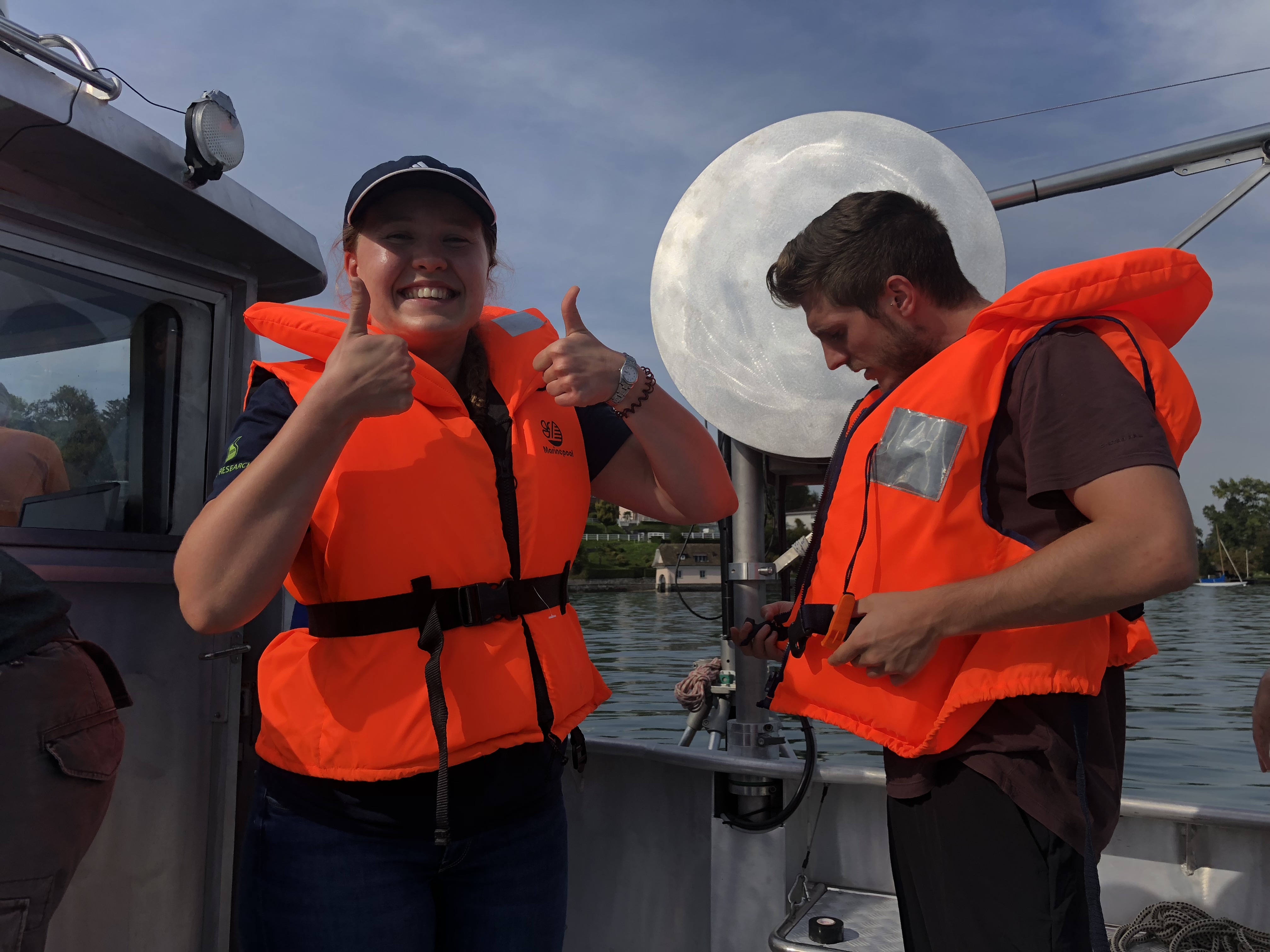
Lastly, the excellent location, together with the great weather has made the workshop at Lake Lucerne an immense success! With a lot of learning, networking and, of course, the occasional dip in the water.

Related blog posts from the ‘Lake Lucerne Workshop’ blog series


2nd Annual SLATE Workshop
@ EAWAG Kastanienbaum, Switzerland

News, Workshops | 06/09/18

Lake Lucerne Field Trip -
Let's get muddy!

ESR 1, ESR 13, ESR 14, News | 09/10/18

Lake Lucerne Workshop -
expert courses

Courses, ESR 11, ESR 12, ESR 2, News | 16/10/18