
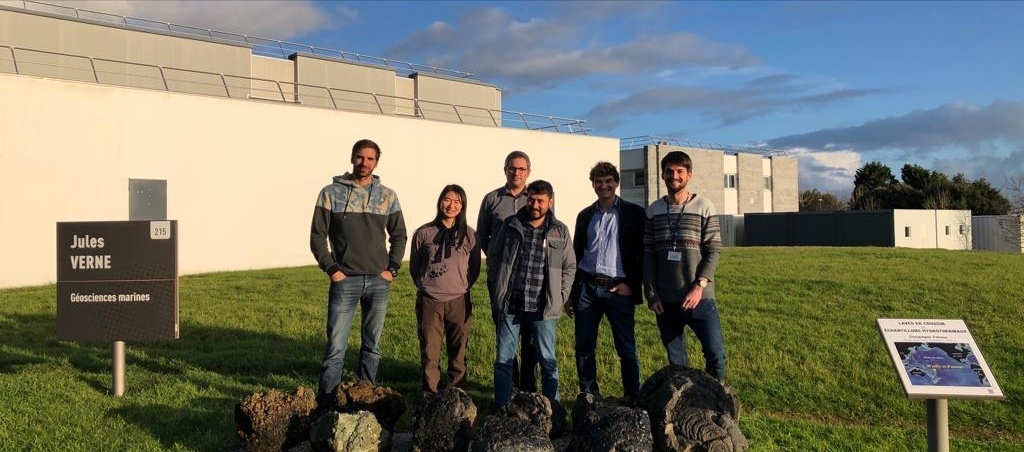
Ting-Wei's secondments @NGI and IFREMER (second term)

TING-WEI WU (ESR7) | @ NGI Oslo, Norway (August 2019); IFREMER BREST, FRANCE (November-December 2019)


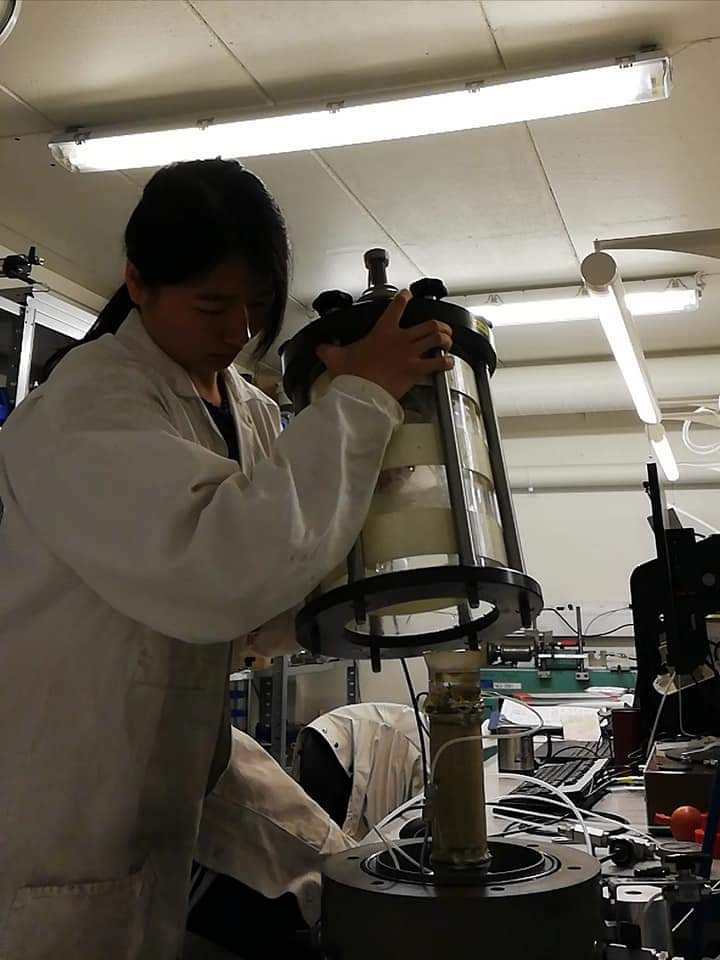
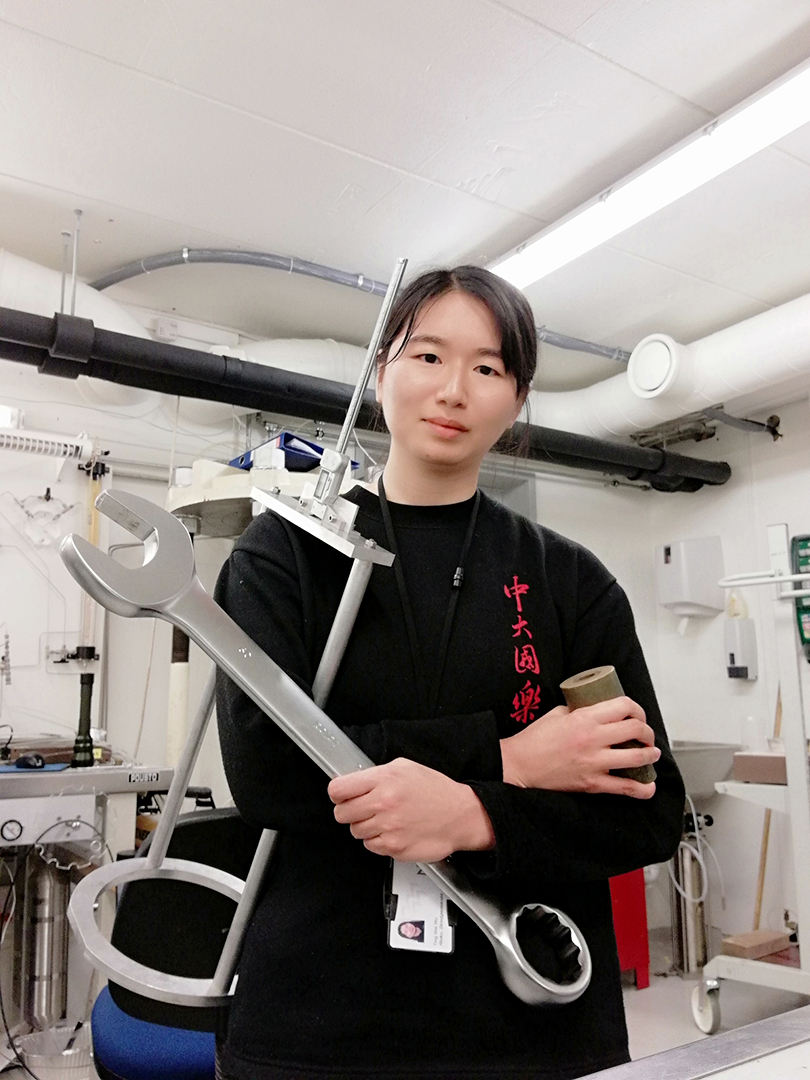
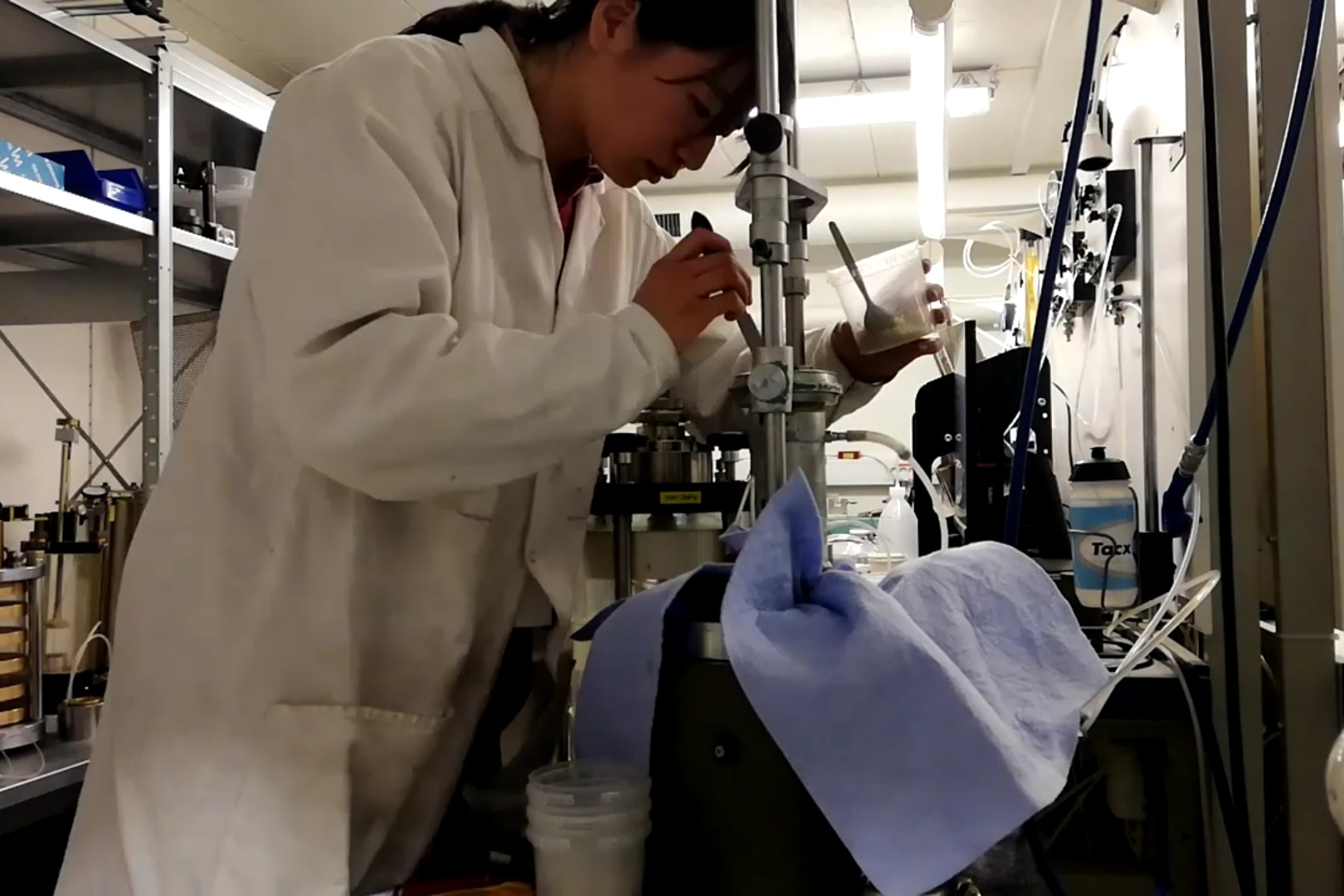
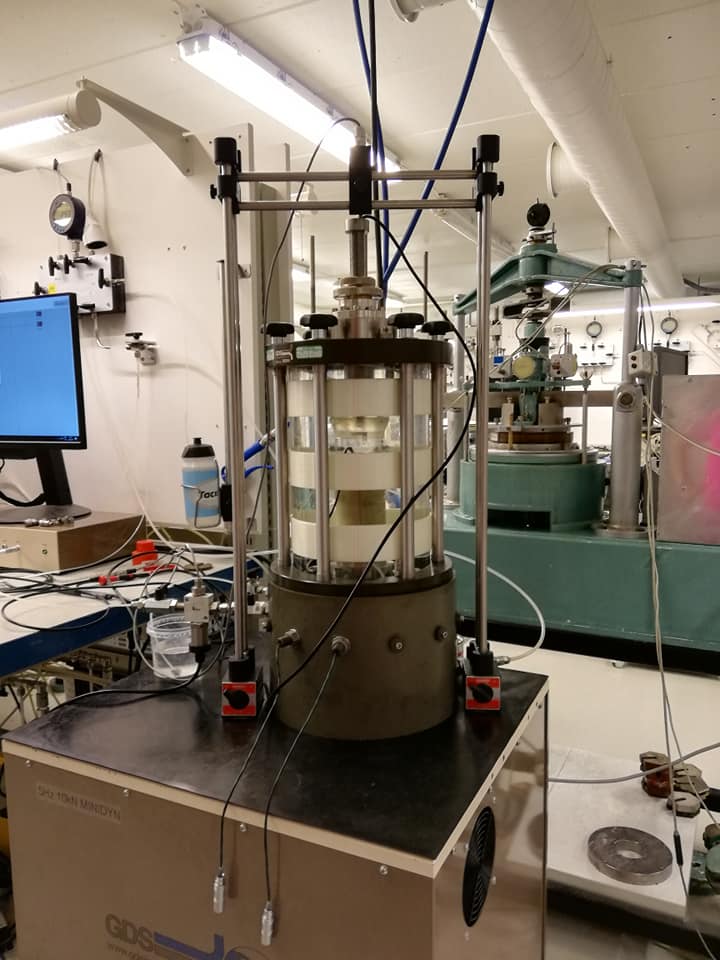
In August 2019, I went back to NGI the second time to complete my triaxial test series on Ottawa Sand to study about seismic strengthening. I used a machine called the Advanced Dynamic Triaxial Testing System (DYNTTS) from the GDS company. The goal was to quantify the increase of undrained shear strength caused by reconsolidation after earthquake events without failure. First, I simulated small earthquakes by undrained cyclic loading. Then, I drained the excess pore pressure, and conducted monotonic loading tests to determine the undrained shear strength (also known as “static triaxial compression test”).

As I got more skilled and experienced, these tests went exceptionally well. I discovered that the change of undrained shear strength due to earthquakes’ impact is highly complex, and is probably affected by the non-homogeneity induced by seismic shaking on the sample. Besides completing my monotonic strengthening series, I even opened up another paper topic about cyclic strengthening – that is to say, to determine the decrease of re-liquefaction potential of a specimen that had been subjected to prior seismic shaking without failure. These tests were done by undrained cyclic loading (also known as “dynamic triaxial tests”).

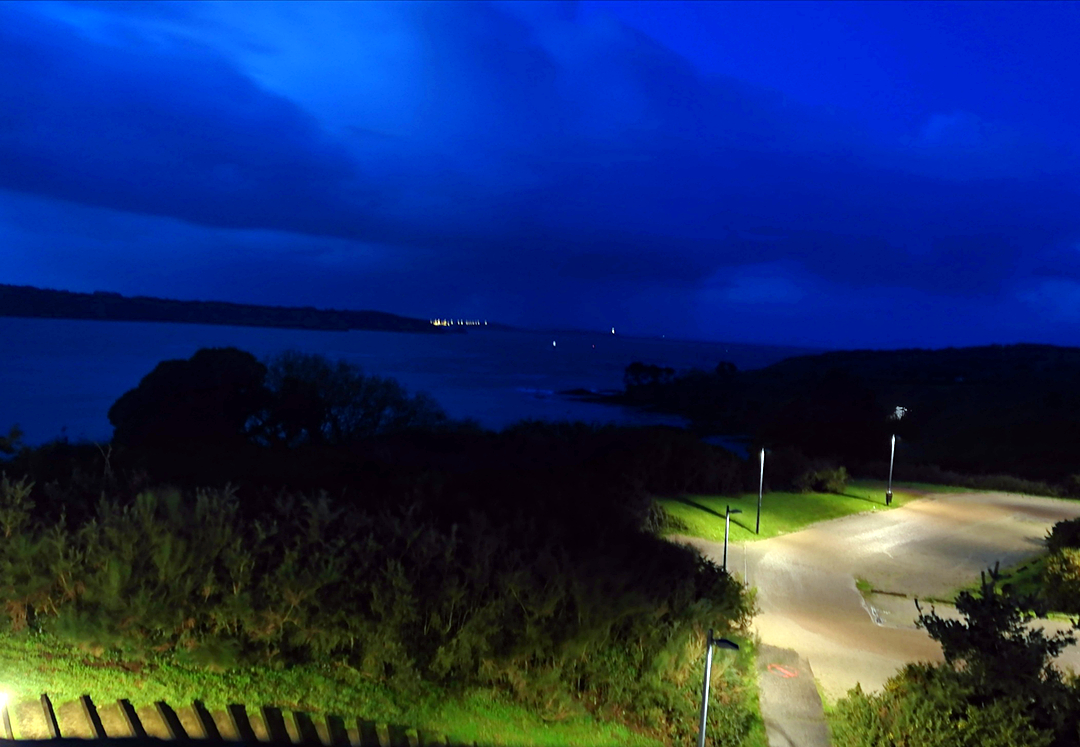
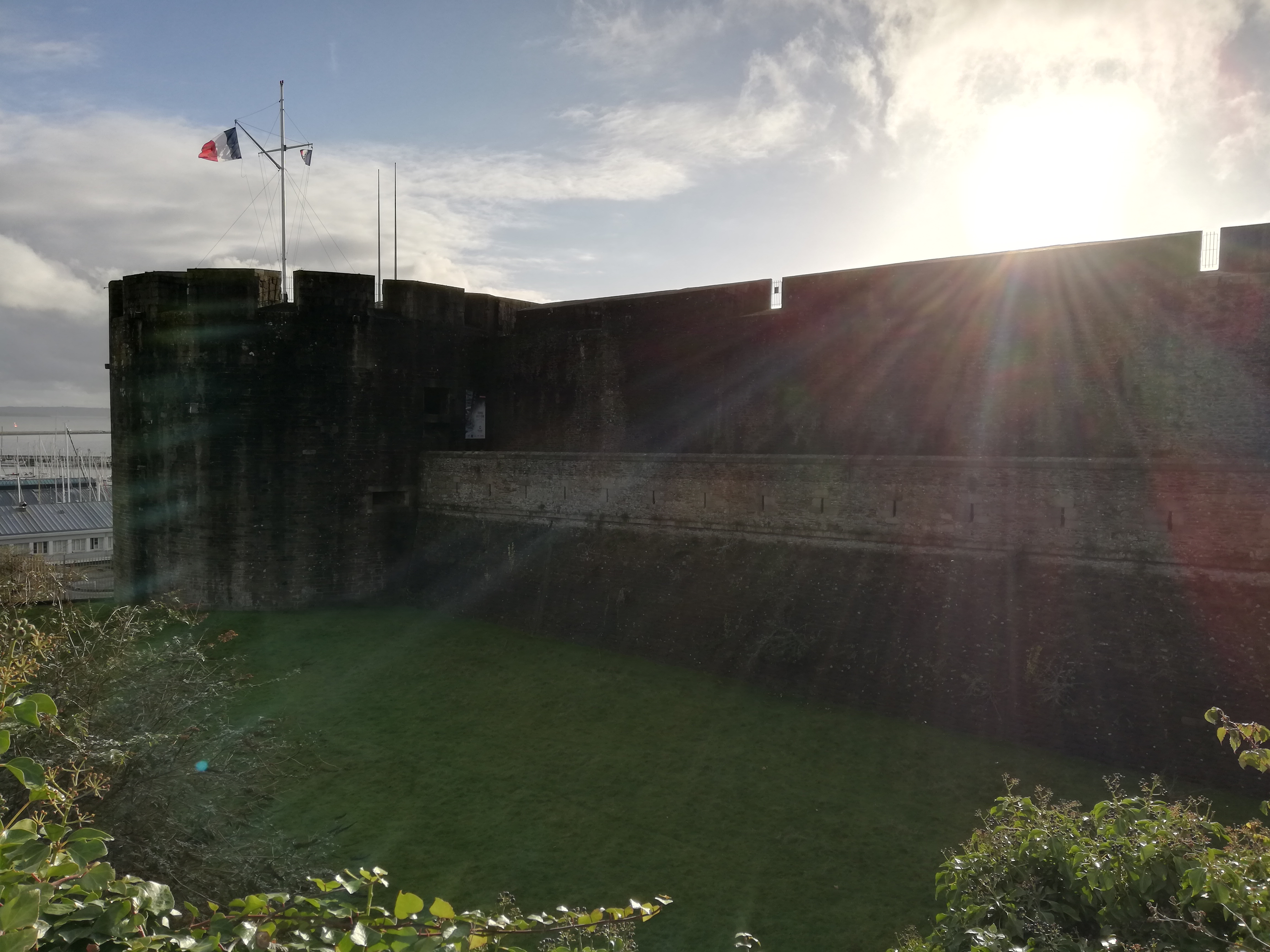
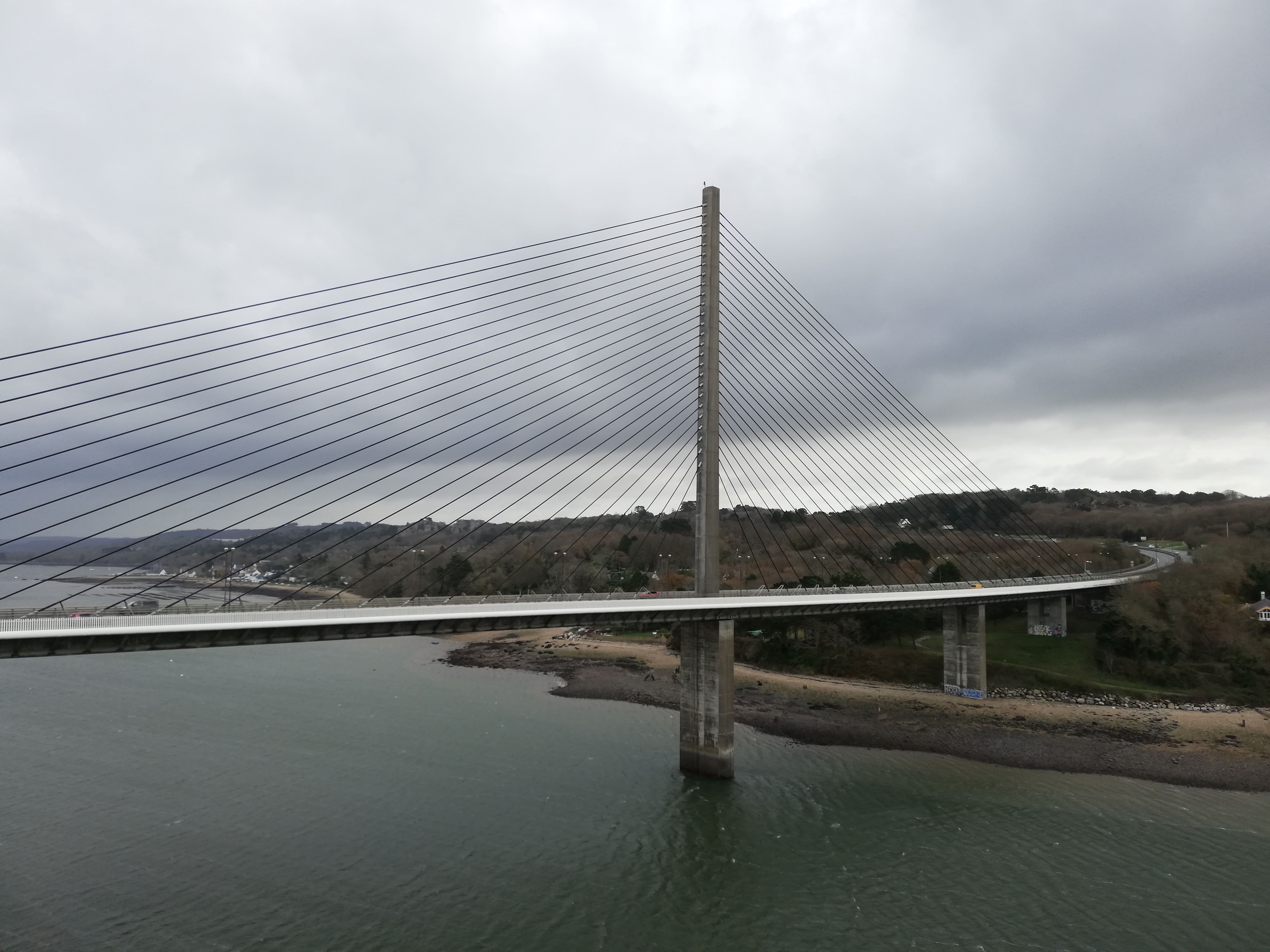
Thanks to SLATE that provided me with the network, I could also link this study with a collaboration with IFREMER. I went back to IFREMER for the second time (November and December 2019) to compare my NGI cyclic shear strength measurements with further test series using a IFREMER machine. The machine at IFREMER is called the Enterprise Level Dynamic Triaxial Testing System (ELDYN) also from the GDS company. It is different from the machine in NGI in terms of the sample dimension, cell pressure controller, and the absence of adaptive stiffness estimate of the cyclic loading term. Repetition tests with these two machines turned out to be very difficult, despite the fact the I was the same operator and used the same sample preparation method. After a lot of efforts, I eventually conducted comparable results  with two different machines with a new proposed calculation method of cyclic shear stress ratio (CSR). I also conducted additional grain size measurements and microscope imaging to investigate if the material’s frictional properties and shear strength may change a lot by grain abrasion. 

Before the end of my IFREMER term, I finished writing my first paper about triaxial tests (Effect of Seismic Shaking on the Monotonic Shear Strength of Sand Without Prior Failure) to Soils Dynamics and Earthquake Engineering, and another paper about considerations of using triaxial tests to assess re-liquefaction potential of sand will come soon in the future.

My research on Ottawa Sand would not have been possible without the technical support and  suggestions of improvement from many engineers, in particular from Yusuke Suzuki and Brian Carlton at NGI, and Nabil Sultan and Sebastien Garziglia at IFREMER. I also thank Carl Harbitz and Antonio Cattaneo for organizing my stays at these institutes.   
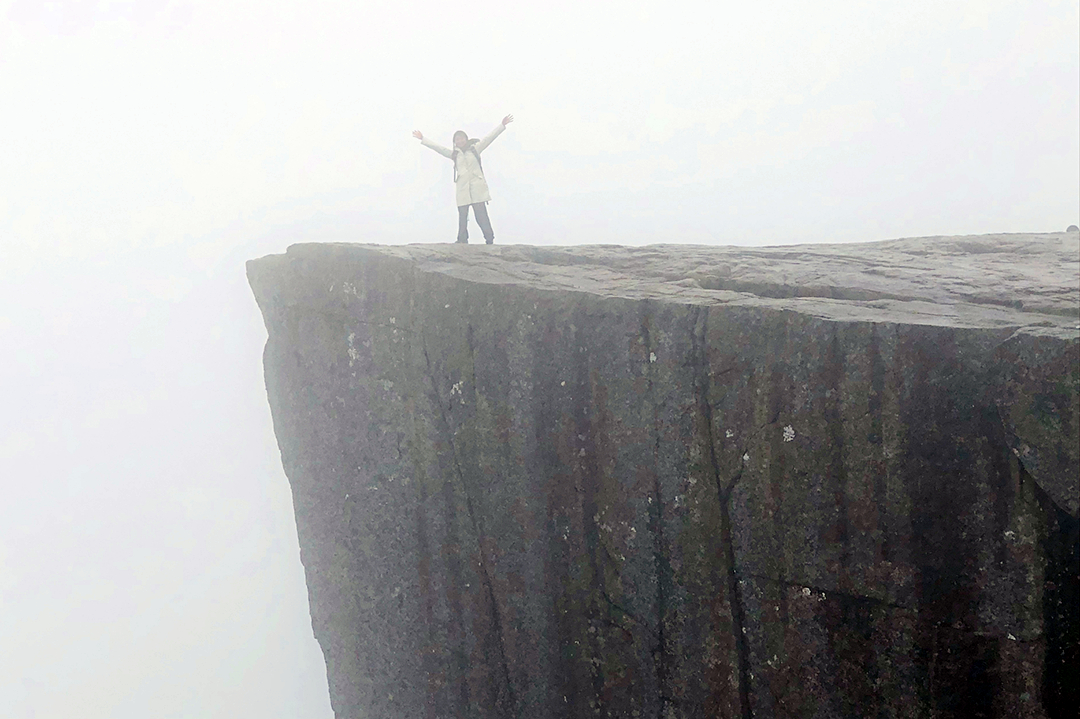
For me, the secondments were absolutely very enjoyable in both places. I not only learned many technics but also received welcoming support from many people (both physically and mentally). Finally, it was a surprise that many SLATE students were at IFREMER at the same period! Thanks to Shray, Tugdual and Maarten, I had the chance to drink from a porró (Spanish glass wine pitcher) but poured some Sangria into my nose! It was a failure, but smelled good. Likewise, I met many troubles during my experiments and had to change my plans because of technical difficulties. But I believe that all these hard works will eventually pay off in the future. Thank you all for being there for me on my way of transformation from a geophysicist into a geotechnical engineer!

Locations

  • Norwegian Geotechnical Institute, Oslo, Norway
  • Ifremer , Center of Brest/Plouzané, France

Contributors

SLATE coordinators:

  • Carl Harbitz
  • Antonio Cattaneo

Co-supervisors:

  • Yusuke Suzuki
  • Brian Carlton
  • Nabil Sultan
  • Sebastien Garziglia
"921 (Chi-Chi) Earthquake" 20th anniversary special topic

Ting-Wei WU (ESR7)

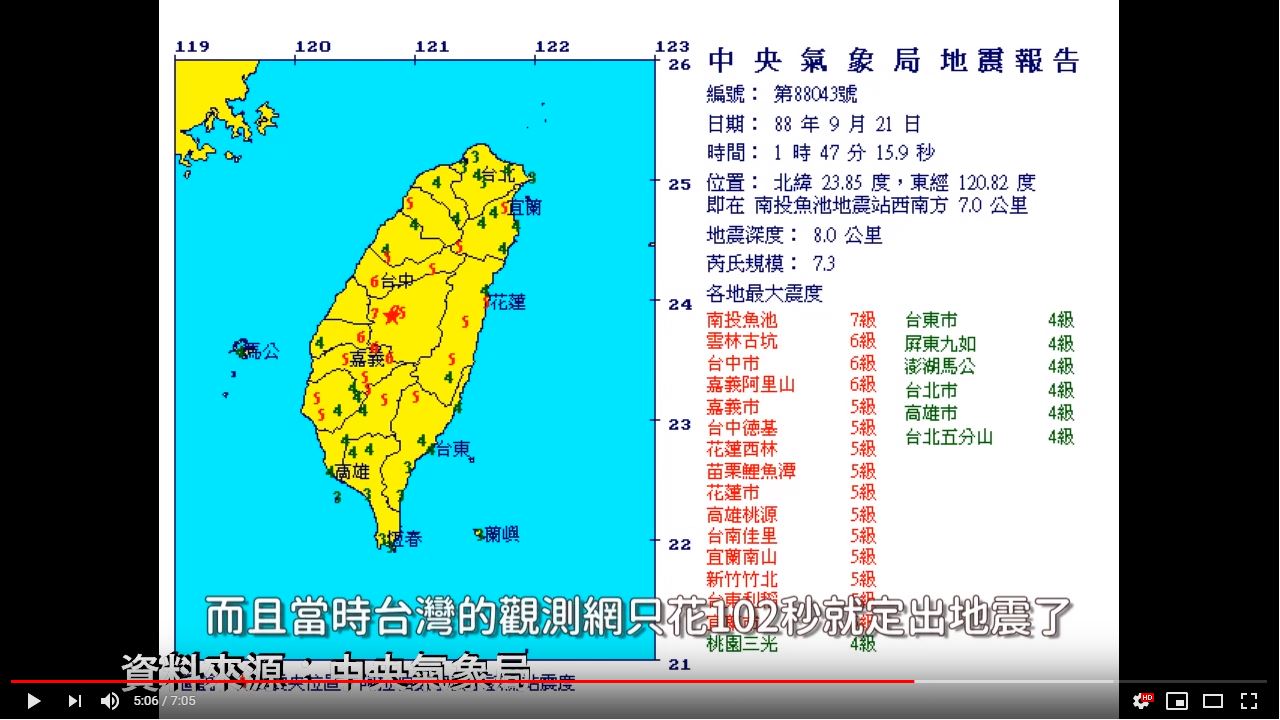
The “921 Earthquake” has its 20th anniversary this year (2019). The 921 Earthquake, also known as Jiji (Chi-Chi) Earthquake, was a 7.3 ML or 7.6–7.7 Mw earthquake which occurred in Jiji, Nantou County, Taiwan on Tuesday, 21 September 1999 at 01:47:12 local time, killing 2415 people.

Artist “不會冷”, who was also my classmate in the Department of Earth Sciences, National Central University, Taiwan, made a video review on how the pain of this event has turned into the energy of Taiwan’s progress and advancement in the past 20 years. I have obtained the author’s consent to translate part of his video to be presented in this post.

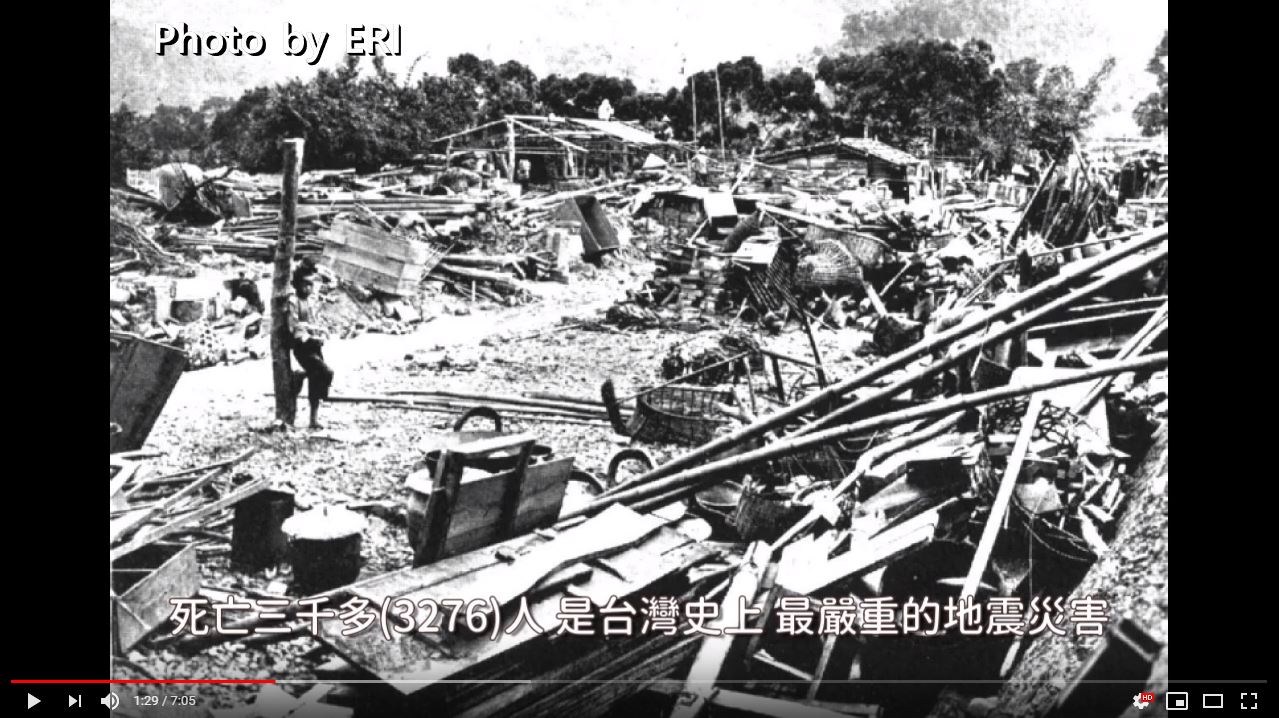
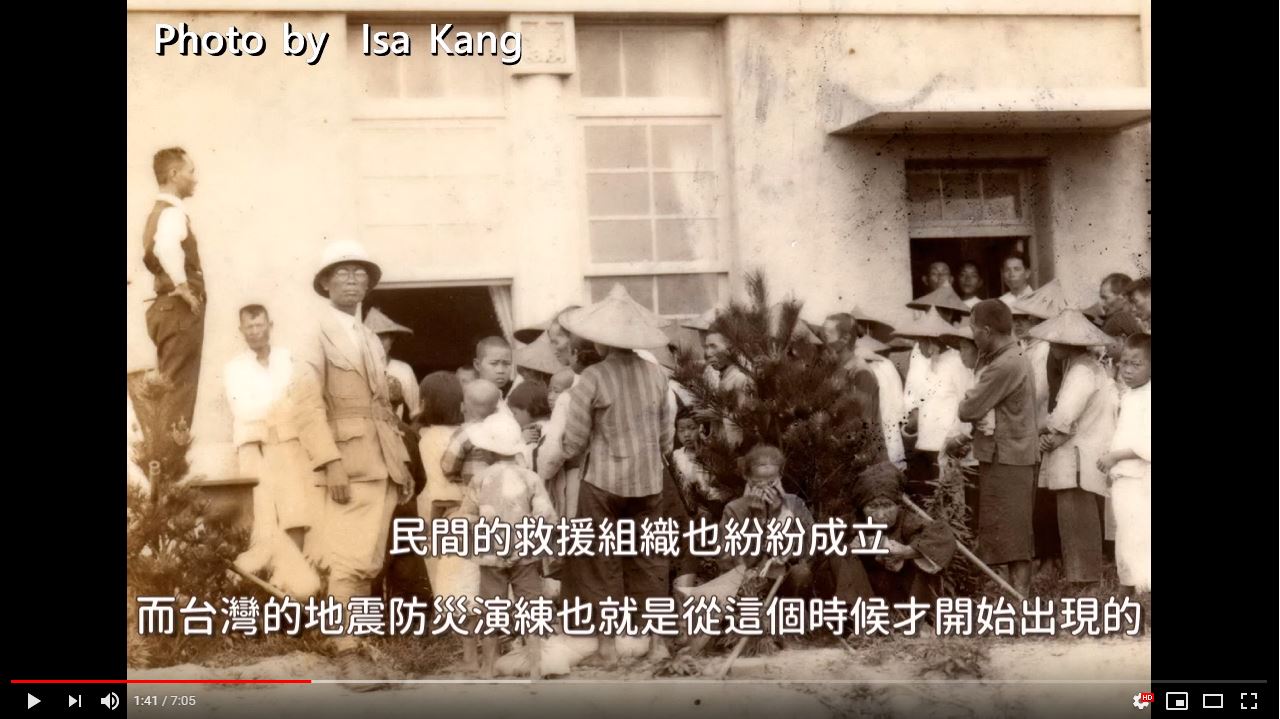
There are many large earthquakes in Taiwan, and the 921 Earthquake was not the most serious one. The 1935 Hsinchu-Taichung Earthquake (also called: Shinchiku-Taichū Earthquake, as it happened in the period when Taiwan was under Japanese rule) was the deadliest earthquake in Taiwan’s recorded history, claiming 3276 lives and causing extensive damage. Civil aid organizations were established, and earthquake preparedness drills also began to appear from this time in Taiwan. 

The pain of the 921 Earthquake has turned into the pace of change

How about the 921 Earthquake in 1999? Because it happened more recently than the 1935 Hsinchu-Taichung Earthquake, the new changes have had a higher impact on us. 

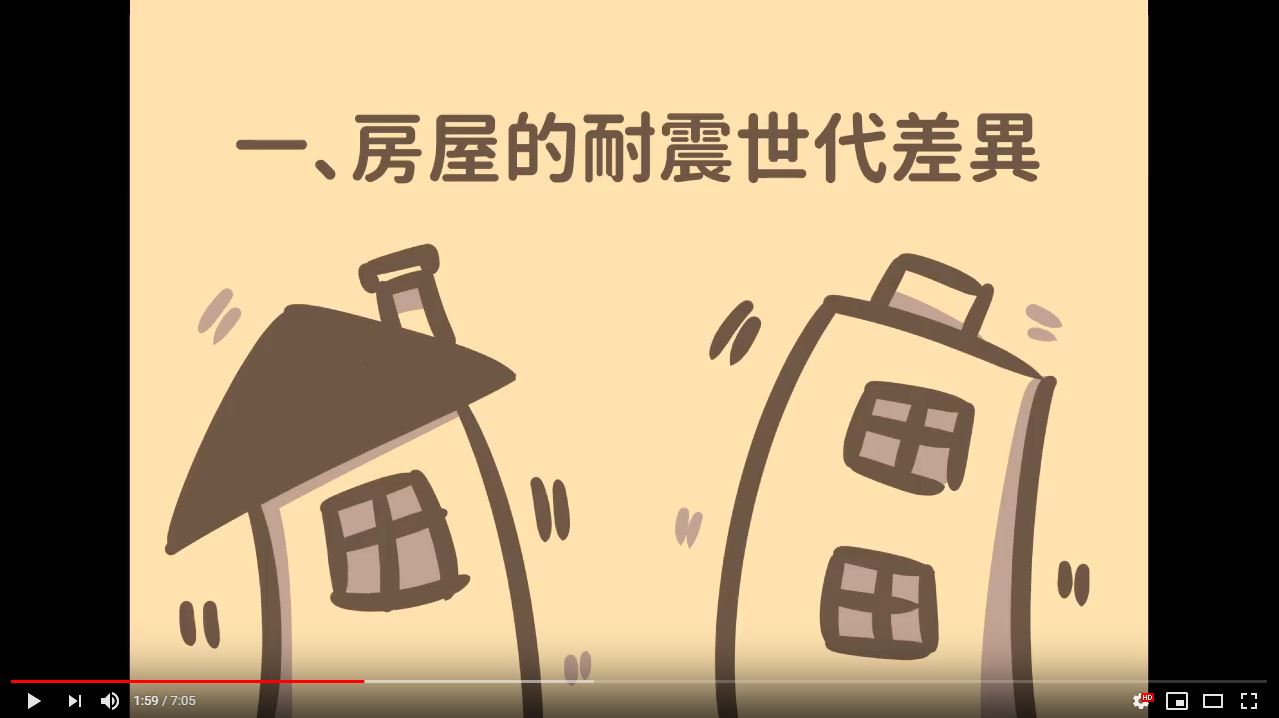
I. Differences in the earthquake-resistance of houses after generations

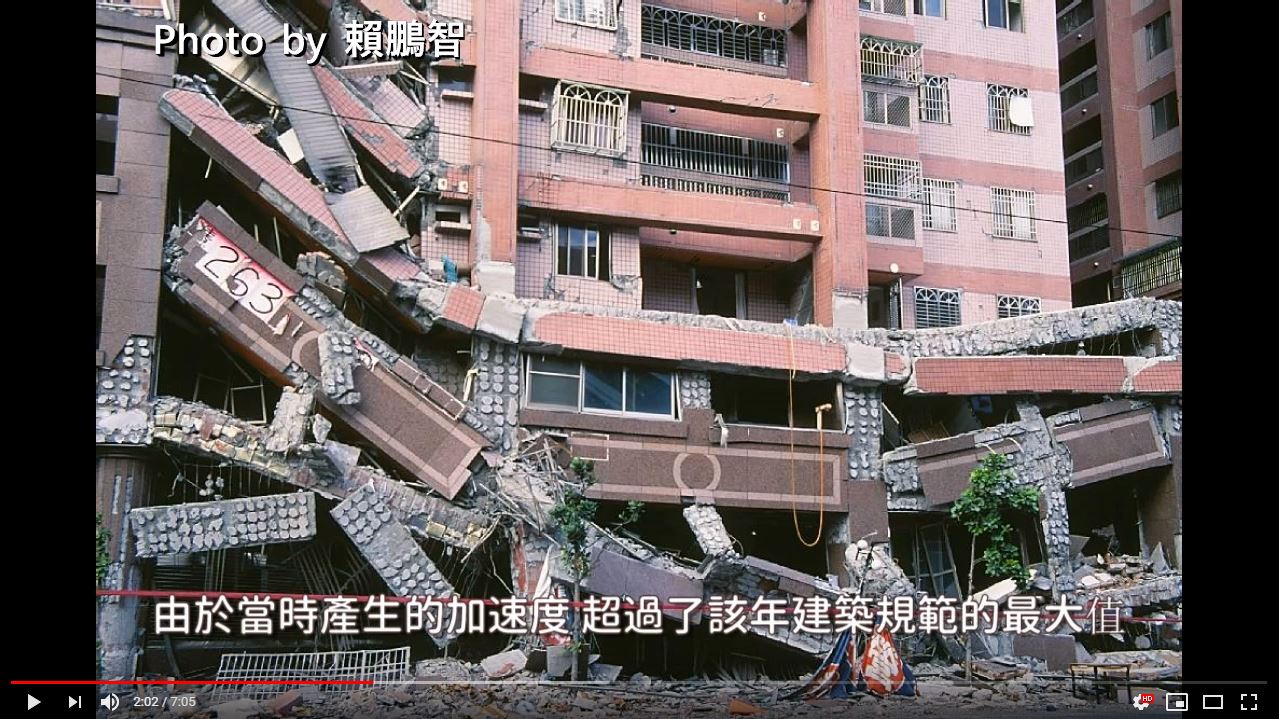
Because the ground acceleration generated at that time exceeded the maximum value of the building code that year, the 921 Earthquake prompted the modification of many relevant regulations:

1999 Earthquake happened, and the building regulations were revised

2002 New laws were amended

2003 If houses obtained construction licenses after 2003, they had to be constructed in a more earthquake-resistant way.

2006 The building regulations have taken the next step by taking into account the impact factors of faults and geological settings.

II. Search and rescue dogs

When the 921 Earthquake happened, many international search and rescue teams from 20 countries came to Taiwan to help, including more than 100 rescue dogs. At that time, Taiwan did not have its own rescue dogs. Therefore, after seeing the ability of international rescue dogs, the Fire Agency of Taiwan was eager to train Taiwan’s own rescue dogs as well.

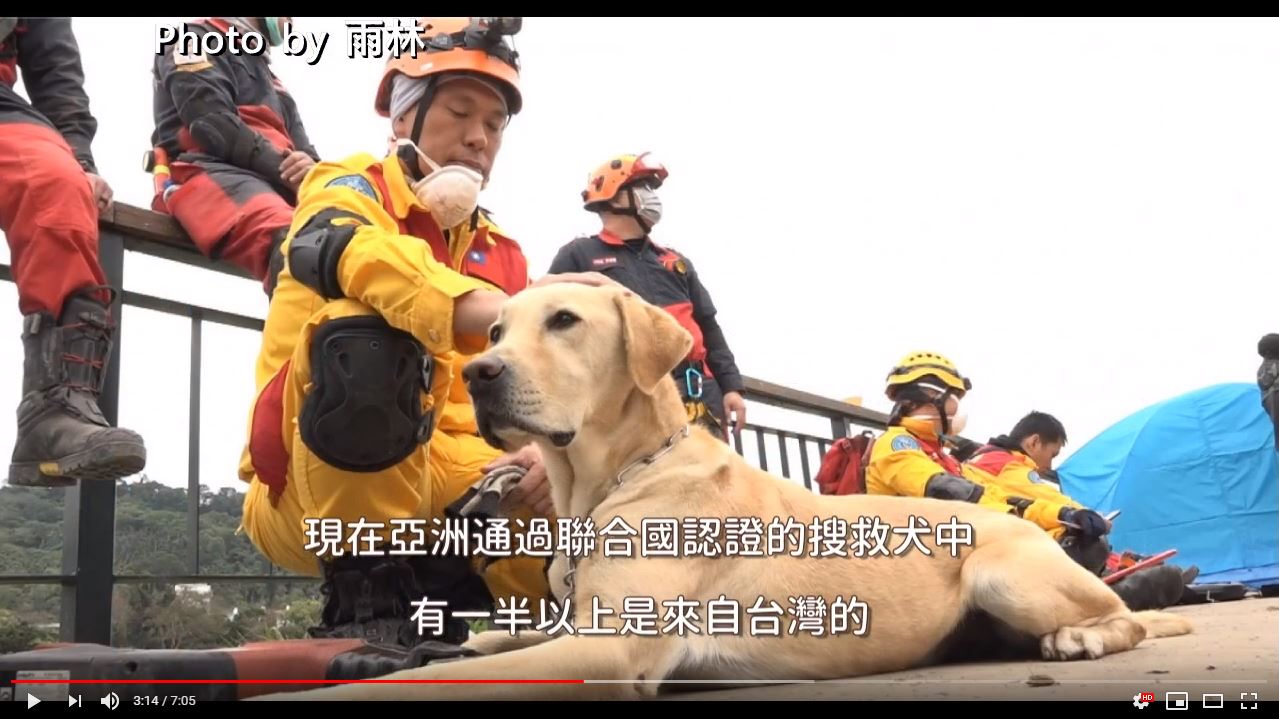
Taiwan’s search and rescue dog team was successfully established in 2010, and had carried out missions not only in Taiwan, but also in countries such as Iran, Indonesia and Haiti. Nowadays, more than half of Asia’s UN-certified search and rescue dogs are from Taiwan.

III. Seismic intensity scales

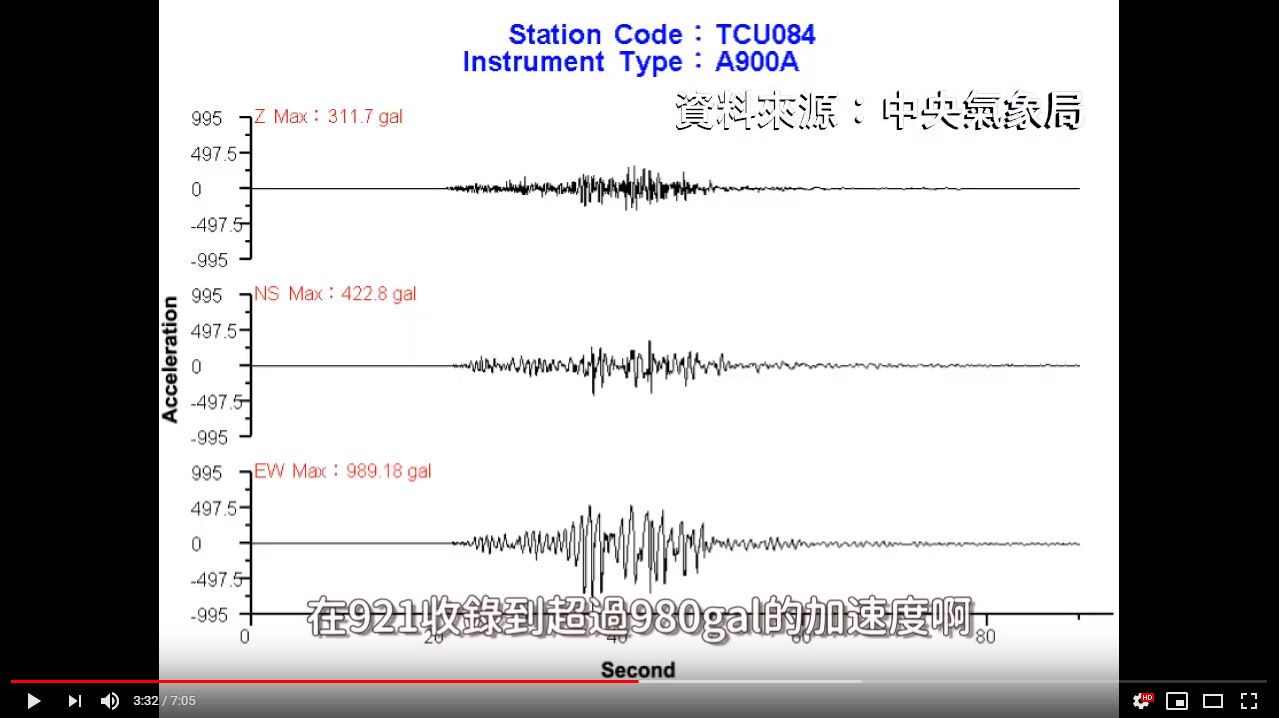
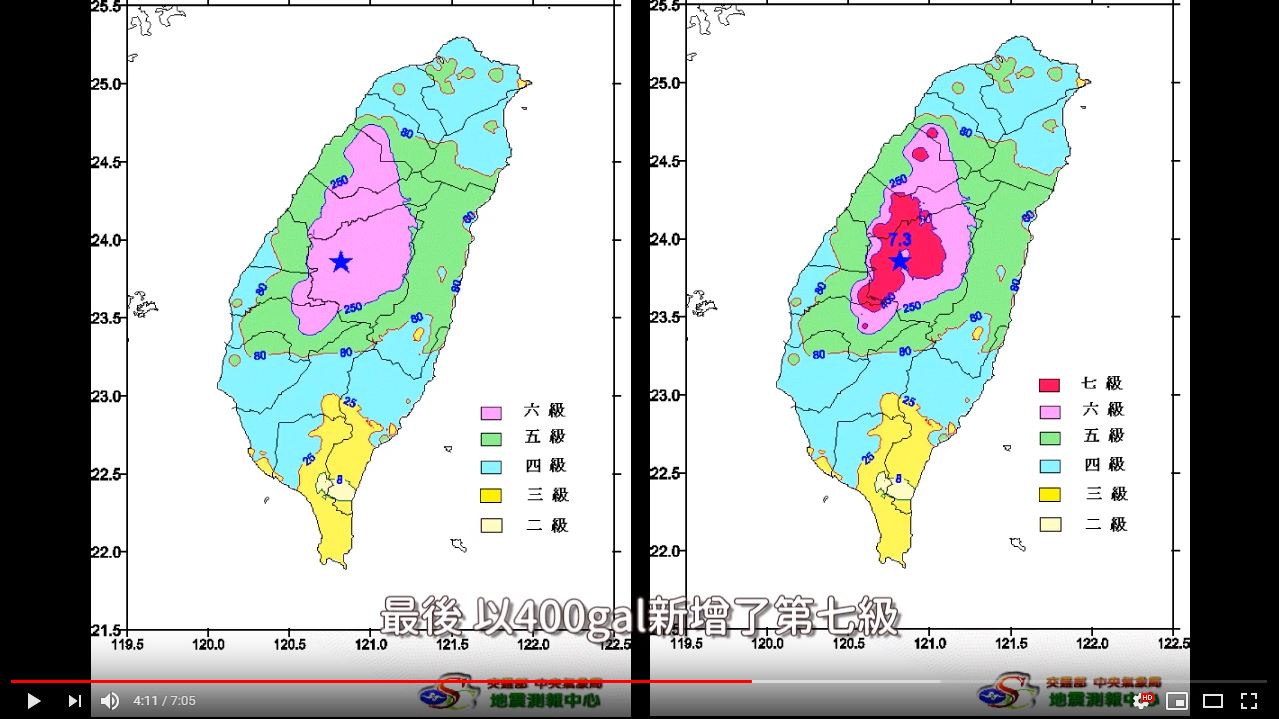
When the 921 Earthquake took place, Taiwan’s seismic intensity scale only had levels from 0 (<0.8 gal) to 6 (>250 gal). However, strong-motion stations from the Central Weather Bureau of Taiwan recorded peak ground acceleration of more than 980 gal in the 921 Earthquake event. Therefore, the Central Weather Bureau invited earthquake experts and scholars to discuss whether it would be better to add a new level in the seismic intensity scale. Finally, the seventh level was added with 400 gal, which is a new specification only available after the 921 Earthquake event.  

IV. Research achievements

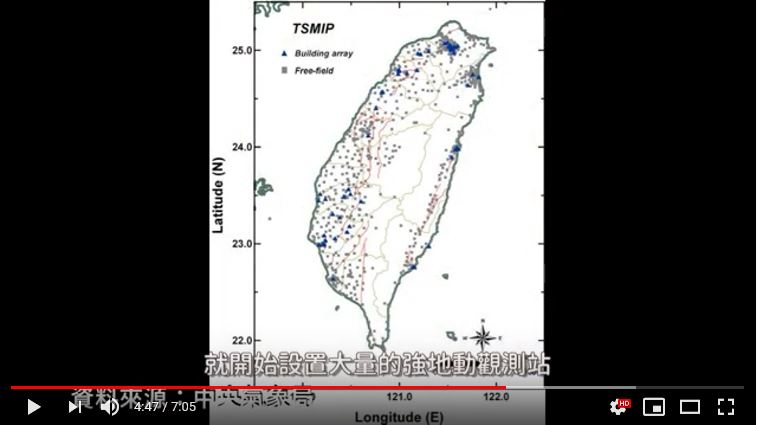
The Central Weather Bureau established the Seismological Center in 1989, and began to set up a large number of strong-motion stations. 10 years later, the 921 Earthquake recorded unprecedented near-fault strong earthquake signals. These records have contributed greatly to the development of earthquake science, including many papers published on Nature and Science.

During the 921 Earthquake, the observation network in Taiwan only took 102 seconds to determine the epicenter, whereas the fastest foreign networks still needed 10 – 20 minutes. In October that year, the US Department of State specially called for the chief scientist of the US Geological Survey to go to the Congress to explain the outstanding achievements of Taiwan. 

Location

  • Jiji (Chi-Chi) Township, Nantou County, Taiwan

Report of Ting-Wei's 2nd secondment @NGI

TING-WEI WU (ESR7) | @ NGI, OSLO, Norway (MAY-JUNE 2019)

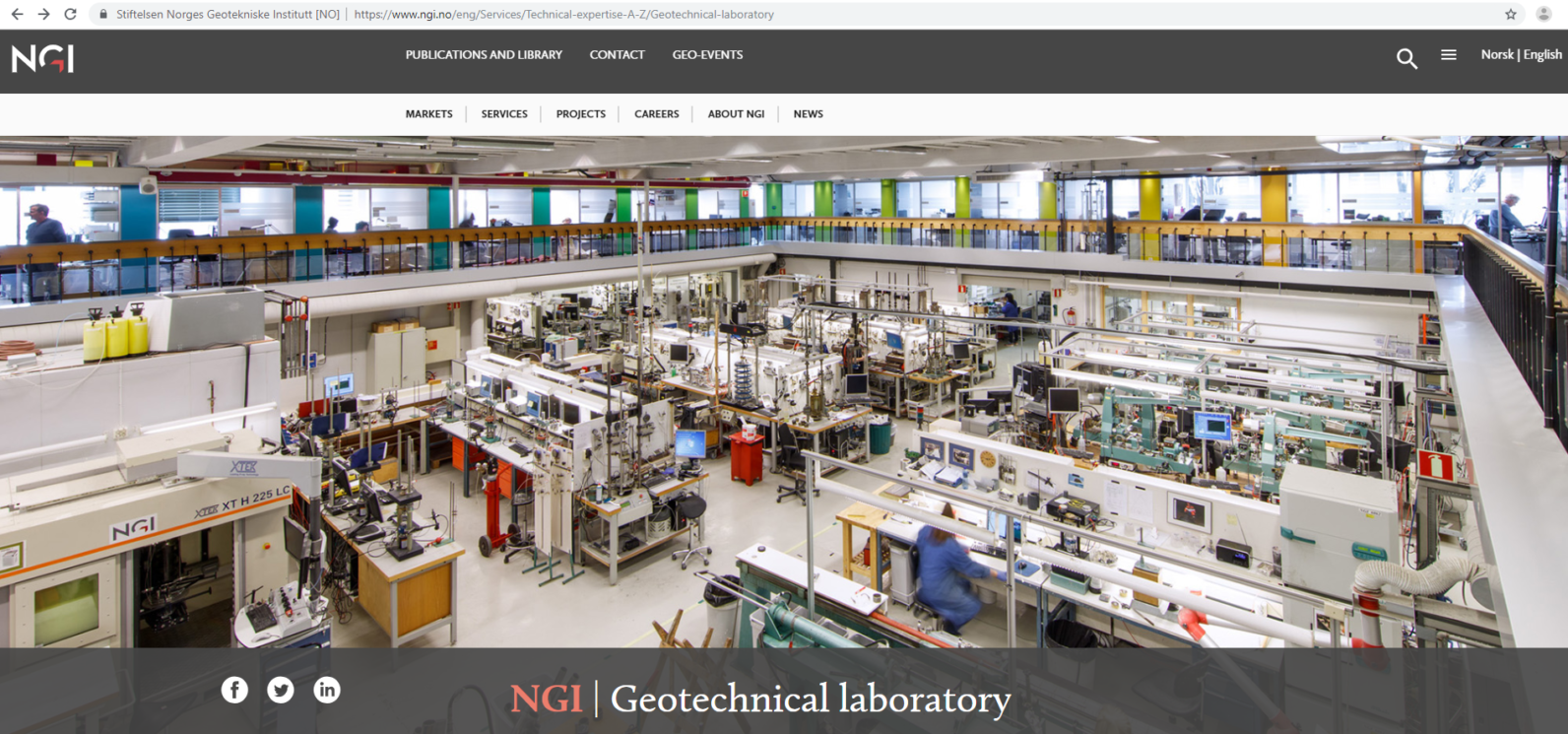
Thanks to SLATE that provided financial support to make this stay possible, I could have a very nice working and learning experience in the Norwegian Geotechnical Institute (NGI) in May and June, 2019. In its world-famous geotechnical laboratory, I continued doing my seismic strengthening study on Ottawa Sand with an advanced triaxial apparatus.

I would like to thank Carl Harbitz for introducing me into the NGI community where I not only enjoyed work but also got the chance to join many activities. NGI has a very active and vigorous working environment and I received a lot of support from numerous people, in particular from Yusuke Suzuki who assisted me in changing the load cell and the top cap, demonstrated how to measure the shear modulus using bender elements, and created an adaptive control function to estimate the specimen’s stiffness during dynamic loadings to improve data quality. In spite of his own lab duties and tight schedule before the summer holidays, he spent a lot of extra time with me to solve problems and discuss techniques and theories every day. I am very grateful to his great expertise and supervision which made my stay successful. Helge Rolandsgard kindly showed me for the first time how to prepare a sample with NGI’s moist tamping technique, which was very impressively precise in controlling the height of the reconstituted specimen. I would also like to thank Thomas Vestgården who helped me with the determination of minimum and maximum dry unit weights of my Ottawa Sand samples using NGI’s in-house dry deposition and vibration methods. 

I conducted 26 triaxial tests in these two months and gave two presentations in June. I really appreciated the presence of many attendees who gave me knowledge input and suggestions to improve the testing procedure, especially from Amir Kaynia and Brian Carlton. In the geotechnical laboratory, I received a lot of advice from numerous experts, and also got the chance to learn from people who did different kinds of tests. As I was not an engineering student before, it was very interesting to know the perspectives from those hard-core civil engineers. Many thanks to the lab people (Santiago, James, Yubin, Monica, Tariq, Pasquale, Jenny…) who kindly demonstrated their testing procedures to me!

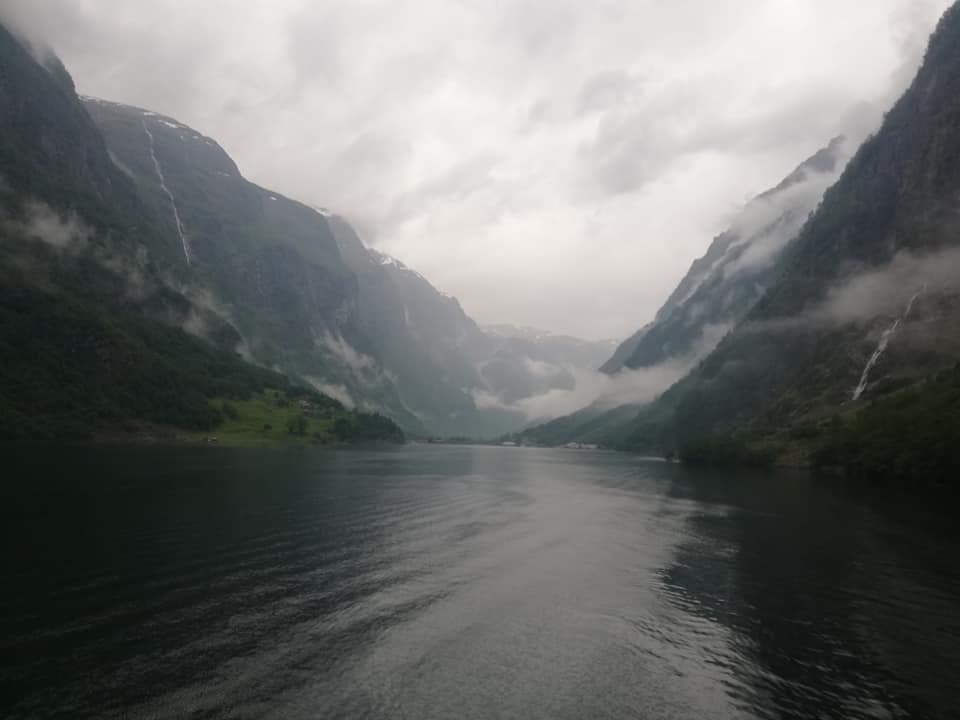
Aside from the NGI work, I really enjoyed my leisure life because it was my first time to go to Norway and I was very impressed by the splendid Norwegian culture. May and June were a very good timing to visit Norway because it was (mostly) warm and bright, and I also got the chance to celebrate Norway’s national holiday on May 17th watching the spectacular parades with people wearing their nicest traditional suits. On one weekend I visited the western coast of Norway and completed one of the items on my bucket list to sail inside the fjords of Norway. Such a touching moment to see the  fjords which existed only in my geology textbooks coming to life in front of my eyes! Besides, I joined many Norwegian courses in NGI (Takk! Helene, Steven og Sarah) and hanged out many times at lunch and on the weekends with friends (Cungang, Margarita, Victoria, and of course Mattias, Kate…). My impression and memory of Norway during this stay was priceless. 

To conclude, it was a very nice visit for me to spend two months in NGI. Last but not least, I would like to thank Morten Sjursen for providing the lab facilities to use. I conducted this two-months work at the Schmertmann Research Laboratory (SRL) in NGI with advanced equipment to focus on research-oriented projects. In return to my free-use of the facilities and the training and advising I received, it will be my pleasure to wrap up the results and make a publication in the near future to gain visualization of this work and this laboratory to the scientific society.  

Location
  • Norwegian Geotechnical Institute (NGI), Oslo, Norway

Contributors

SLATE coordinator:
  • Carl Bonnevie Harbitz
Co-supervisors:
  • Yusuke Suzuki
  • Brian Carlton
  • Maarten Vanneste
  • Morten Andreas Sjursen