My Secondment in Barcelona

Thomas Zengaffinen (ESR13) | @ ICM-CSIC Barcelona (1 February - 15 March 2020)

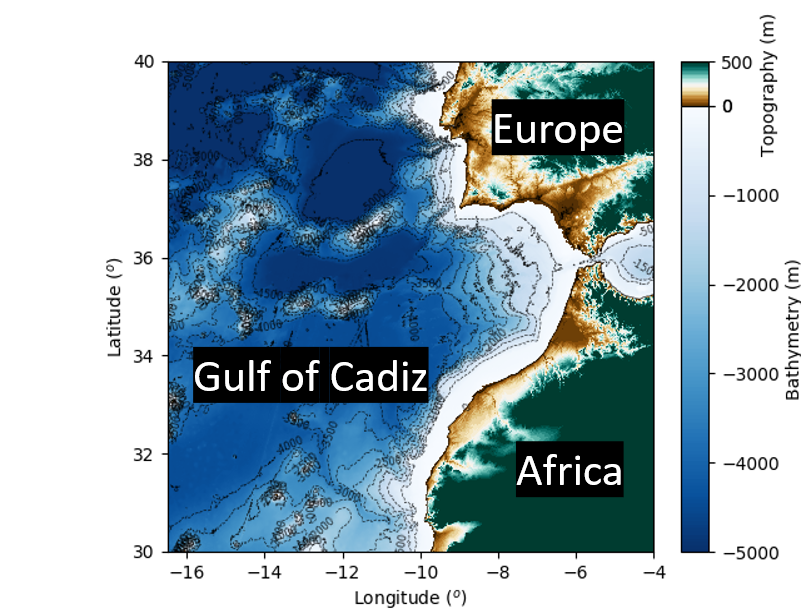
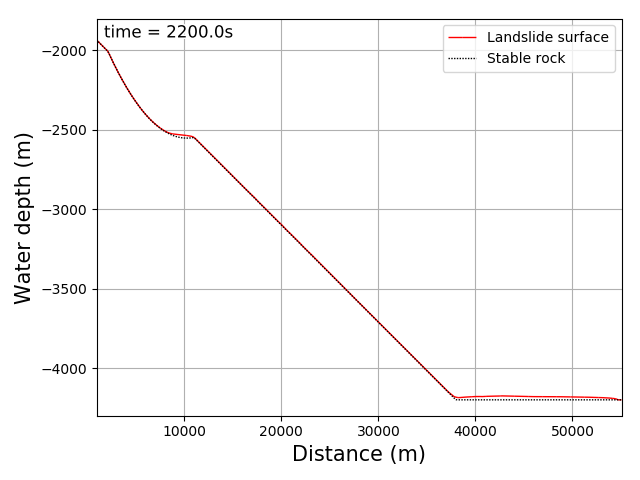
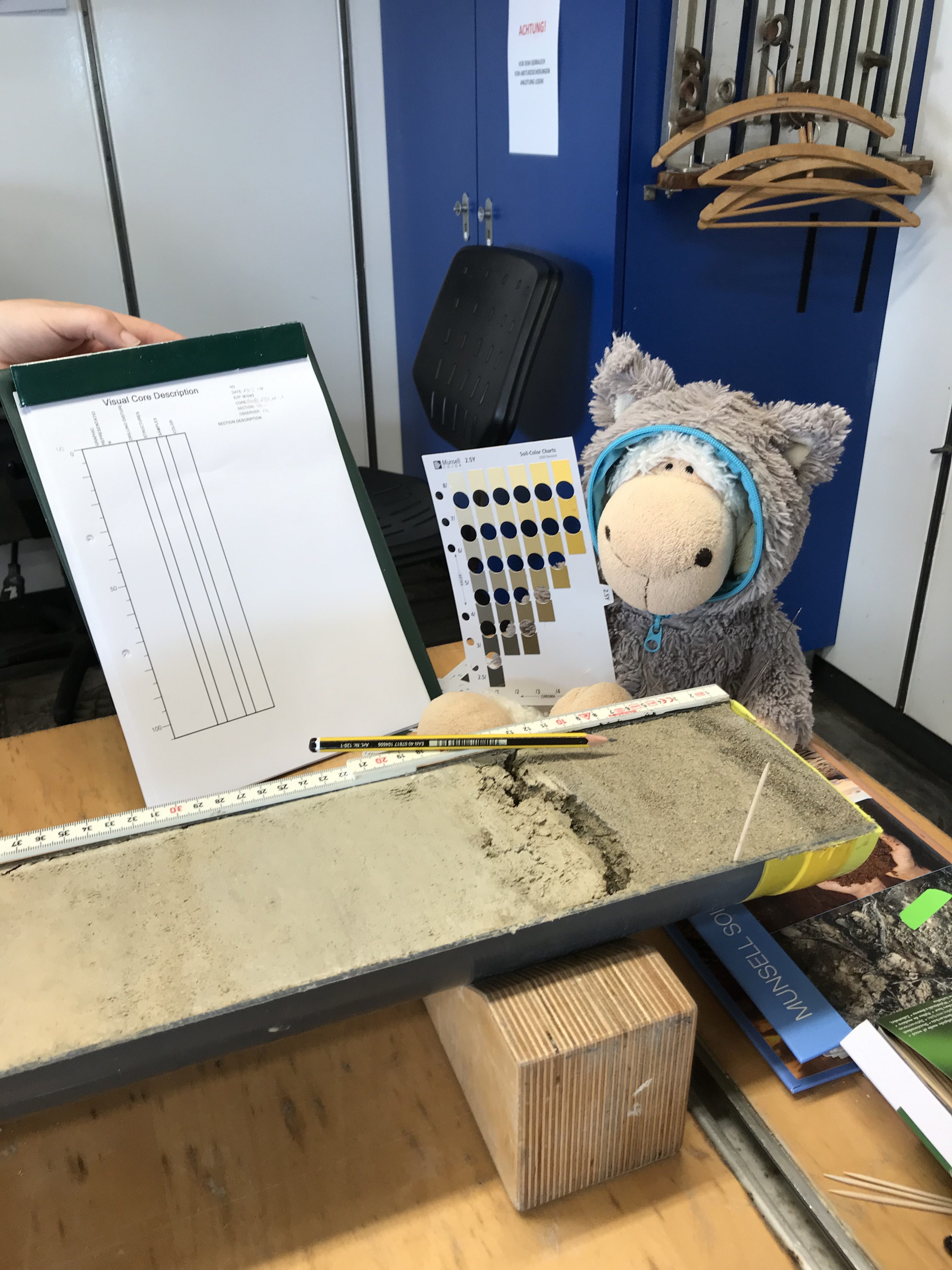
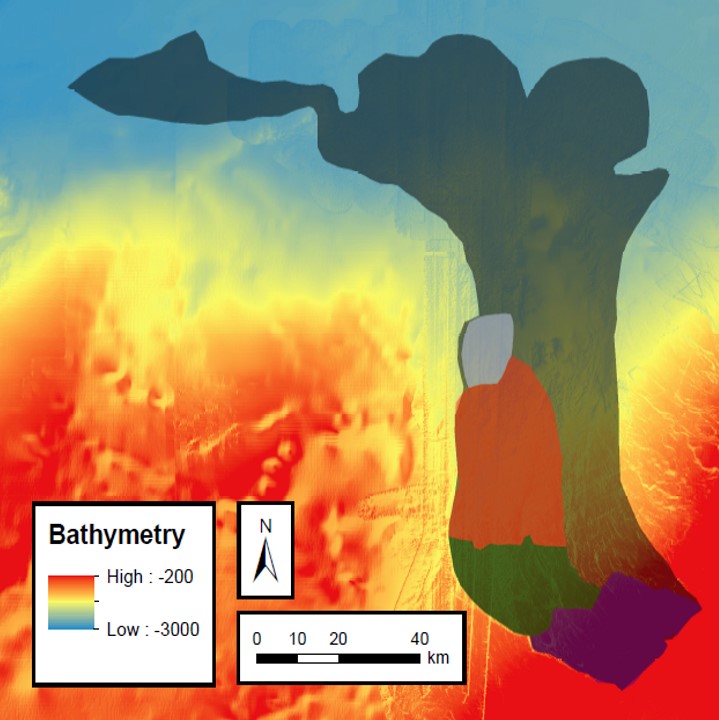
The last chapter of my PhD deals with the baseline for a probabilistic tsunami hazard analysis in the Gulf of Cadiz. A PTHA study reflects all possible events rather than only a worst-case scenario as it was done in the past. The tsunami sources are submarine landslides. In my previous chapters, I investigated the interaction between the landslide’s failure mechanics and wave generation in idealised settings and also in real events. This knowledge will help to conduct this last chapter.

The probabilistic framework involves parameter uncertainties. Geotechnical parameters like yield strength, its softening rate, and drag coefficients can be estimated from previous landslide modelling such as the Storegga Slide or the Grand Banks slump and landslide. However, these sediments had been glaciated, while the sediments in the Gulf of Cadiz were not. Therefore we will calibrate geotechnical parameters using the volume to runout ratio relationship from the landslide catalogue of the Gulf of Cadiz. This landslide catalogue is been developed by ESR14 student, William Meservy.

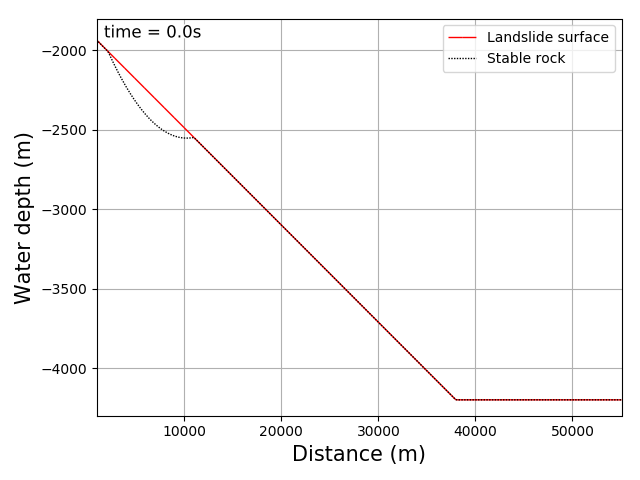
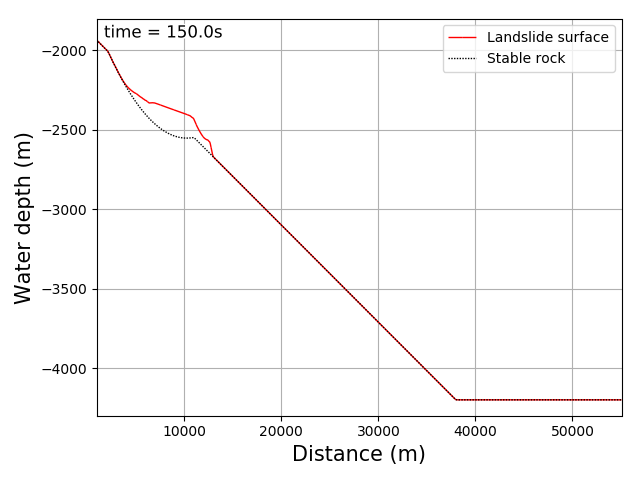
The volume to runout ratio relationship is far from a perfect fit. A possible reason for this is the involvement of all different landslides with different geometrical representations, be it the initial landslide shape or sea floor shape where the landslide evolved. This makes it a challenge to calibrate our geotechnical model parameters. A way to tackle this problem is to analyse the type of landslide and its initial shape. This information can be retrieved from the landslide catalogue. Altogether, this work is an important basis for a PTHA in the Gulf of Cadiz.

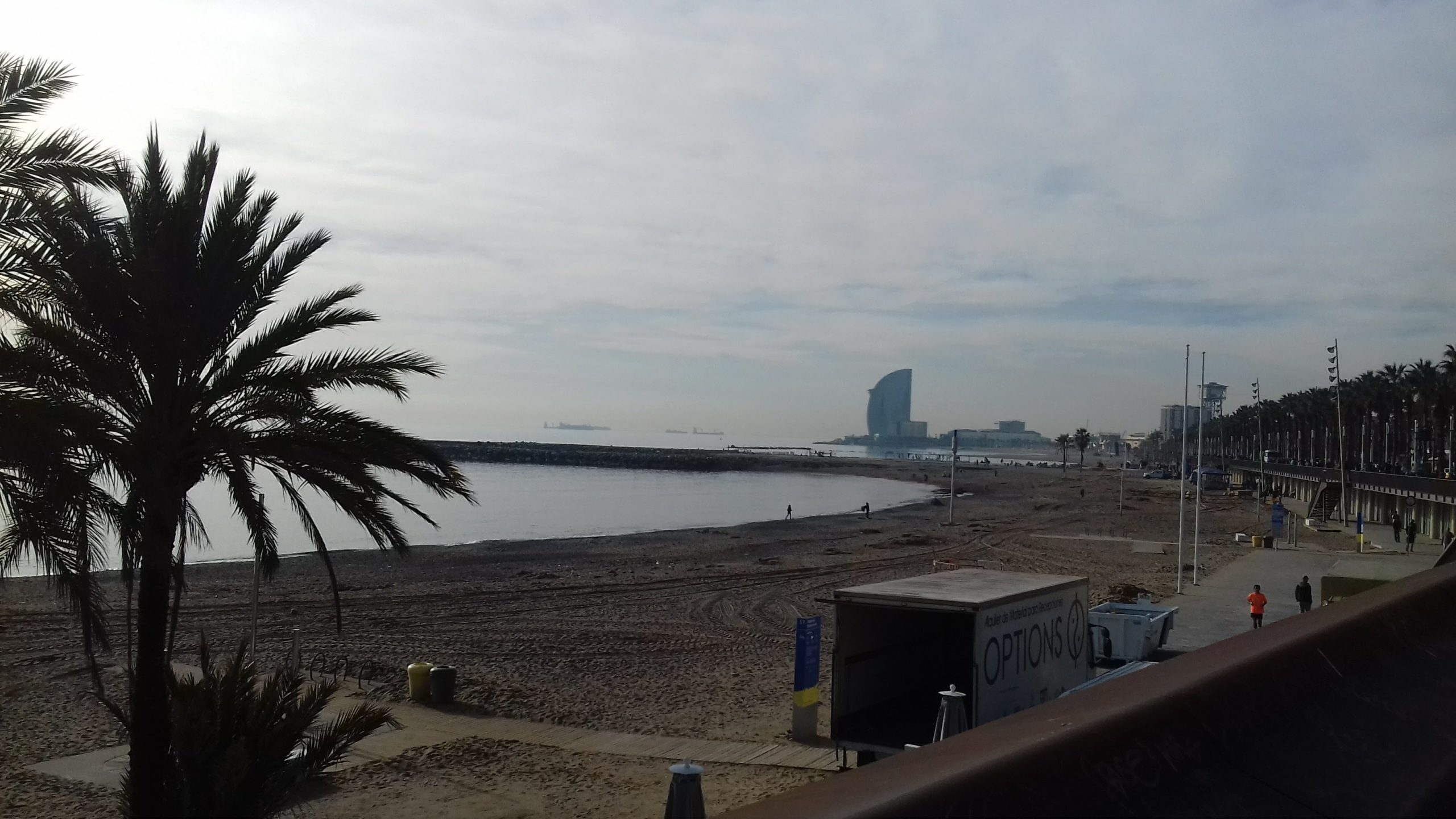
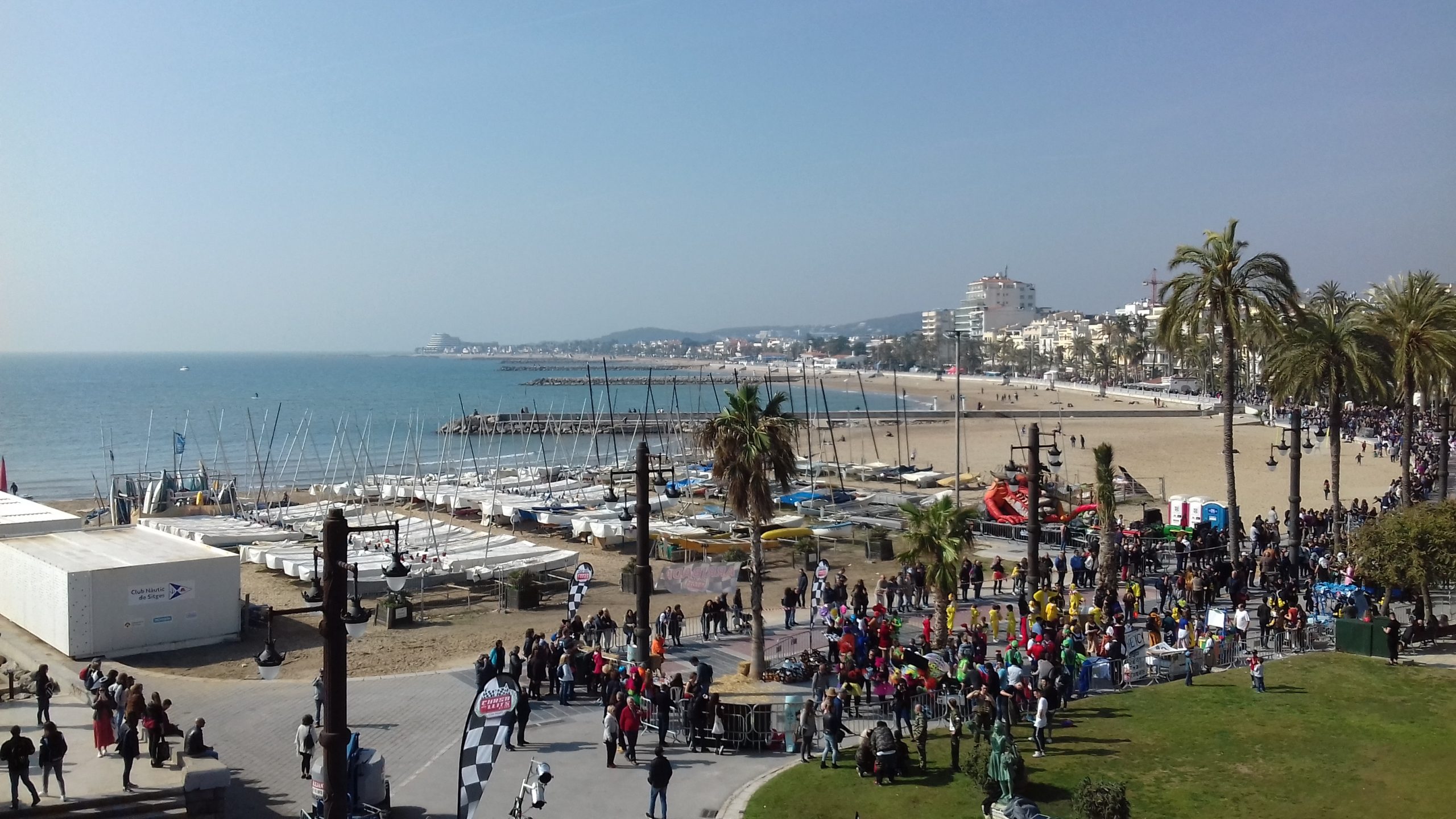
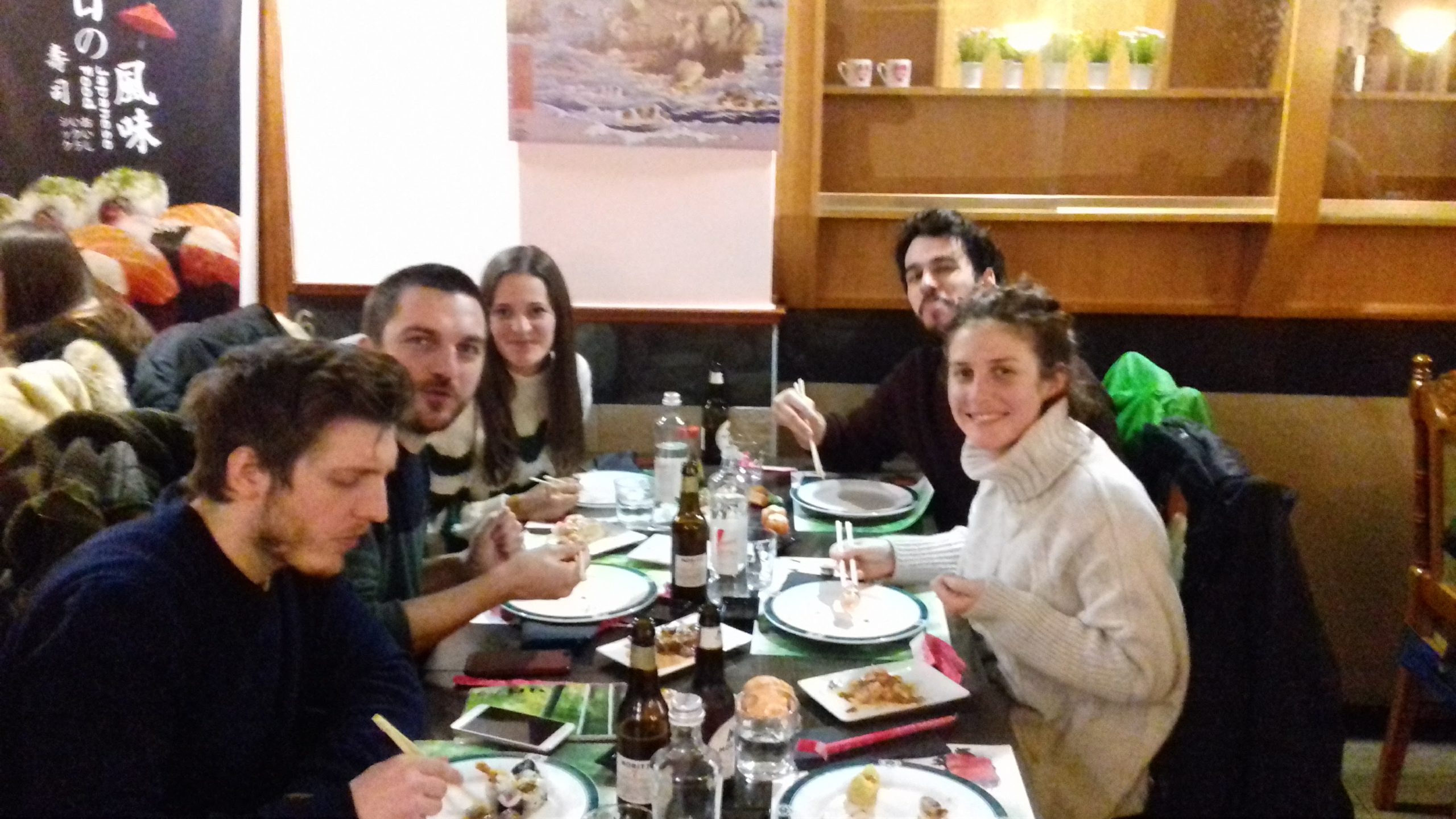
Apart from science, I was curious to learn about Catalan culture. ESR students, Davide Mencaroni, Johnny Ford, William Meservy, Stefano Collico, other friendly colleagues from the Institute of Marine Sciences ICM, and my two flatmates, Ana Leblanc and Ramon Bascompte, introduced me into the Catalan culture. Thank you for these great times. Unfortunately, around midtime of my secondment, we got limited to exploit the Catalan culture and even working at the institute due to the tragic worldwide Covid-19 outbreak. Thus, with the agreement with my supervisors and the project leader, I paused my secondment and flew back home straight into a two-week quarantine.

Location

  • ICM – CSIC Barcelona, ESP

Impressions

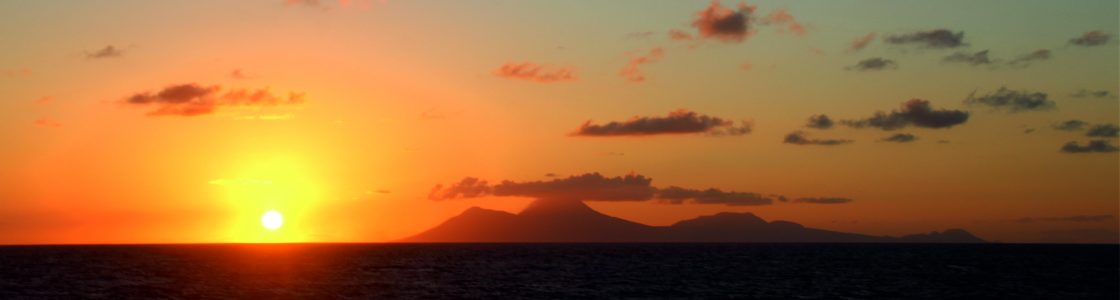
Monterrat

Ricarda's Recap of 2019

Ricarda Gatter (ESR9)

Many great things happened in 2019.Some highlights for me included the EGU General Assembly (Impressions from EGU); the METEOR M154/2 cruise to research volcanic deposits surrounding Montserrat; secondments and visits to the National Oceanography Centre (NOCS), the University of Southampton and Fugro; the annual SLATE workshop in Bologna (3rd Annual SLATE Workshop); and, of course, my first paper submission. Now that the final year of my PhD and the pressure to finish has begun, I am looking back on some of these events; happy and proud of how far I have already come.

Montserrat, here we come!

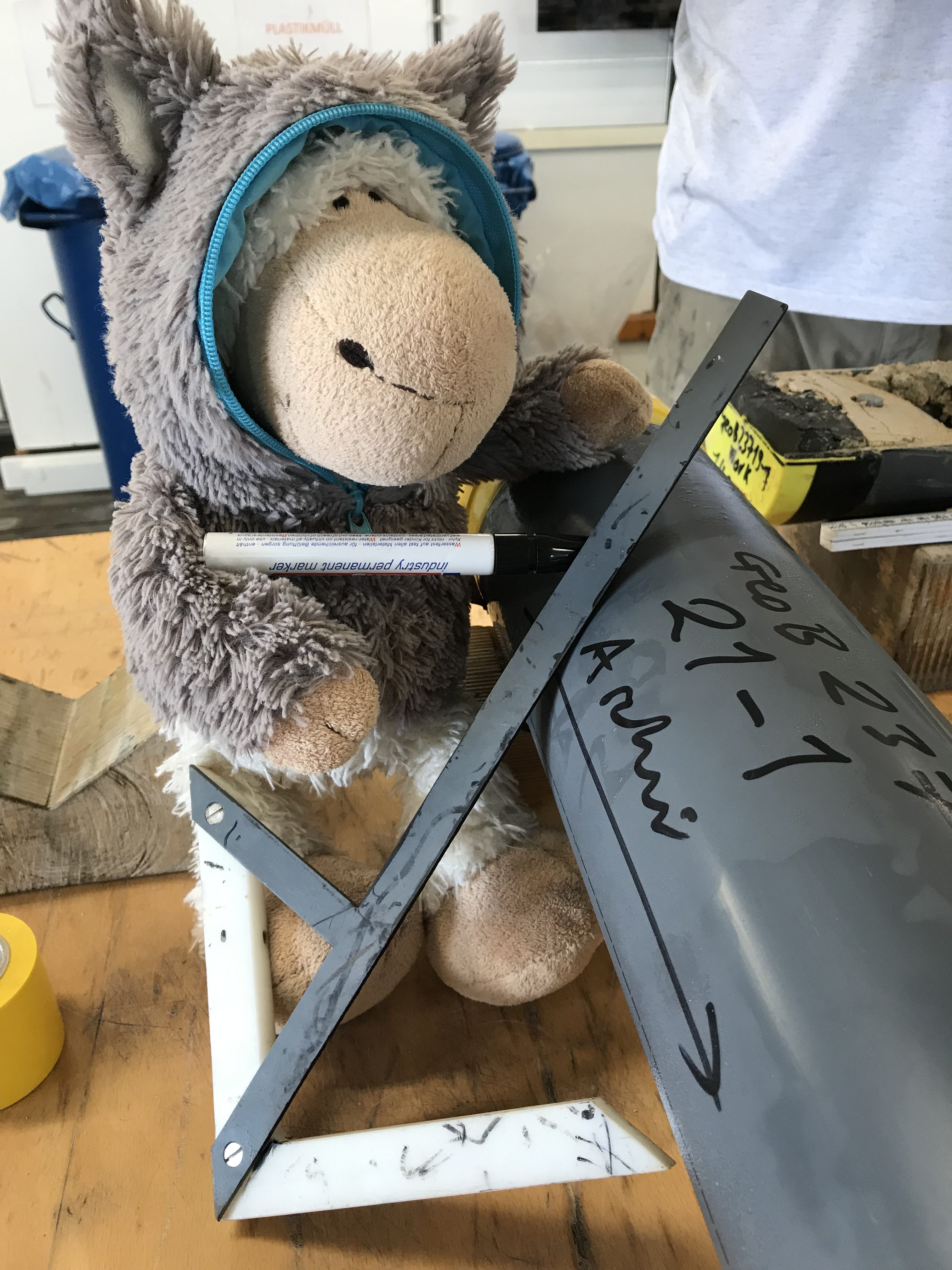
One of the most exciting things for me was probably being part of the METEOR M154/2 research cruise to Montserrat. It was my first time on a research vessel and I really loved it. It was amazing to be surrounded by science 24/7, and to see the excitement glittering in everyone’s eyes whenever we arrived at a new coring site and recovered even the smallest amounts of material. One of my favourite memories is that of a senior scientist jumping around, shouting “It worked, it really worked! I never build anything that works!” after their new developments were successfully deployed. I enjoyed meeting people from different scientific backgrounds and talking to them about their research and my own project. The work on the ship really helped me to get a better understanding of my own data, and to develop new ideas. Of course, we also had a little helper on board…

Junior scientist learning the craft

Southampton

Another big event was my secondment in Southampton. For two months, I went back and forth between the National Oceanography Centre and the University of Southampton, working relentlessly on my micro-CT data and my first manuscript. Thanks to the great supervision of Mike Clare (NOCS) and Madhusudhan Murthy (University of Southampton), not only did I make considerable progress on the segmentation of my micro-CT images, I also finished my first paper ‘A multi-disciplinary investigation of the AFEN Slide’. During my stay, we also visited Fugro GB Marine Limited. The people were extremely friendly and after a tour through the labs I had the opportunity to present and discuss my work with scientists from Fugro.

By the way, if you have ever wondered what micro-CT actually is:

Micro-CT (otherwise known as “micro computed tomography”) is a 3D imaging technique, which allows the visualisation of the internal structure of objects at a micro scale, and non-destructively. The applied method is the same as that used in hospital CT scans, but on a much smaller scale and with significantly increased resolution.

One thing I have been realising over the past year is that more and more people tend to ask what my plans for the future are. However, truthfully, there are so many interesting things happening right at this moment that I would rather stay in the present a bit longer, rather than worry about the future.

„So, what do you plan to do after finishing your PhD?” – I PLAN TO FINISH IT!

Where?

When?

  • July – September 2019

Supervision

  • Mike Clare (NOCS)
  • Madhusudhan B N Murthy (University of Southampton)

Ting-Wei's secondments @NGI and IFREMER (second term)

TING-WEI WU (ESR7) | @ NGI Oslo, Norway (August 2019); IFREMER BREST, FRANCE (November-December 2019)

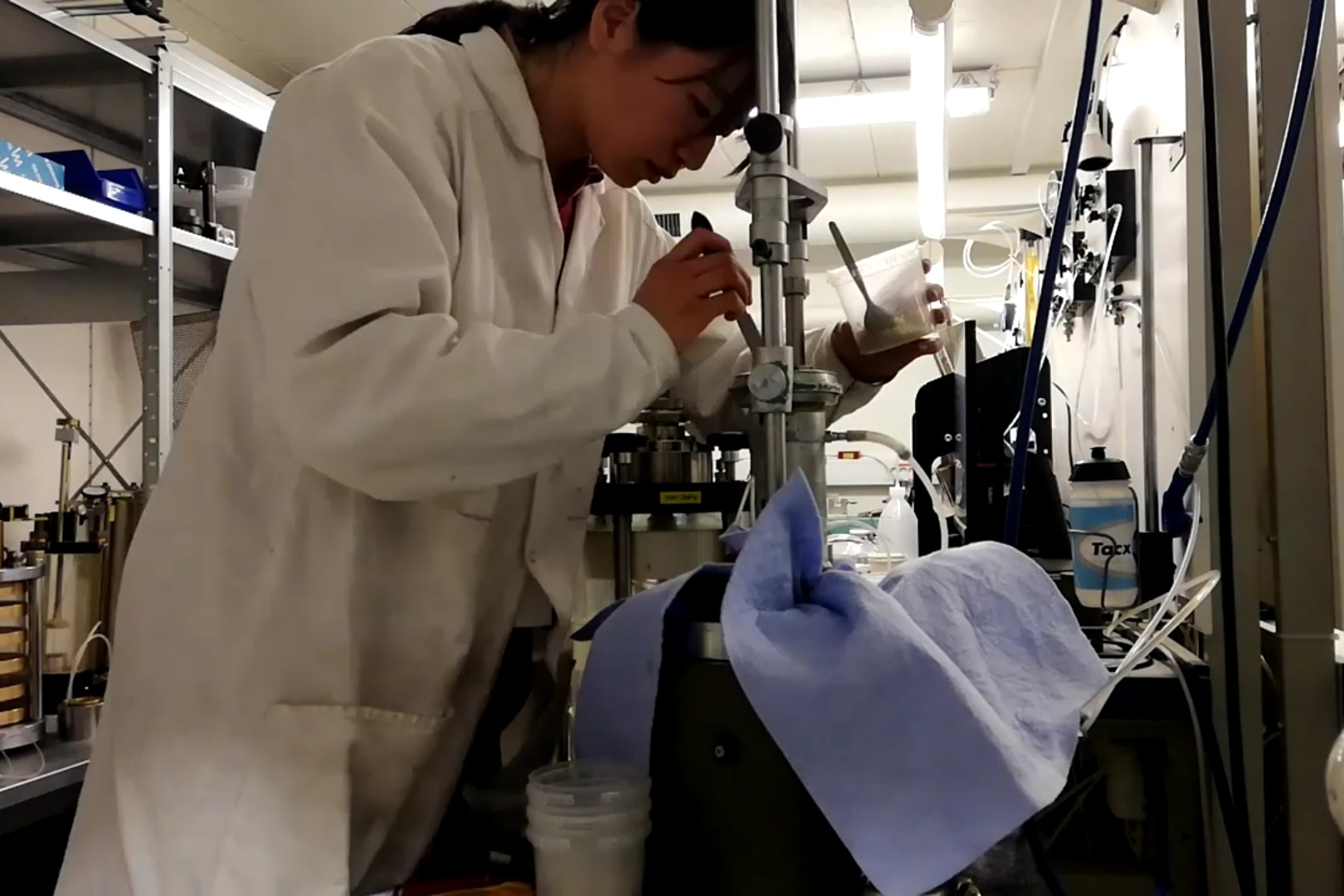
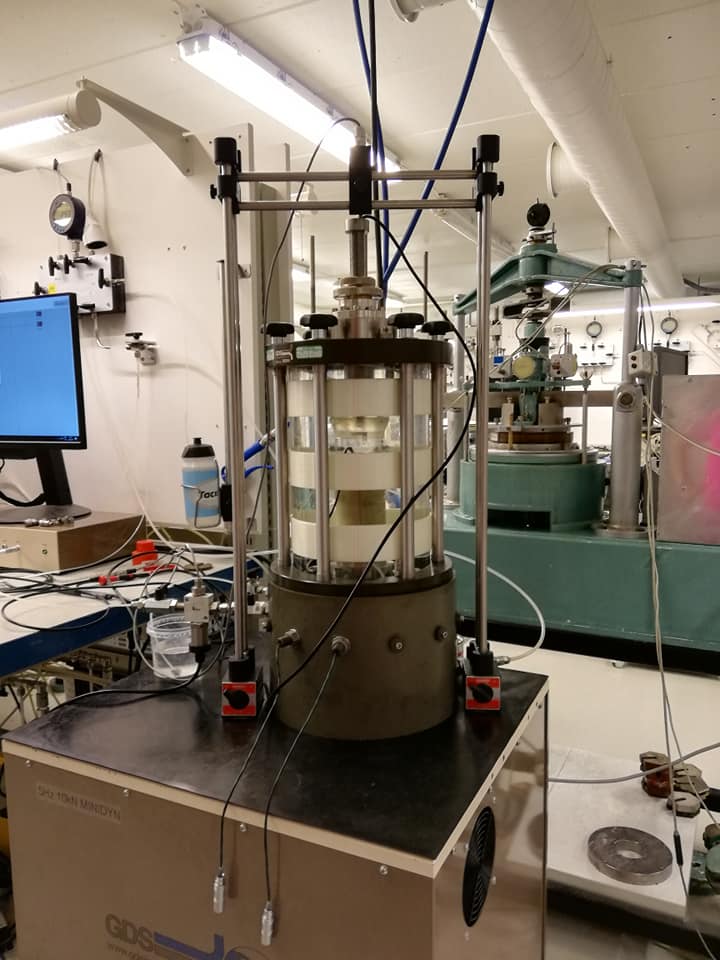
In August 2019, I went back to NGI the second time to complete my triaxial test series on Ottawa Sand to study about seismic strengthening. I used a machine called the Advanced Dynamic Triaxial Testing System (DYNTTS) from the GDS company. The goal was to quantify the increase of undrained shear strength caused by reconsolidation after earthquake events without failure. First, I simulated small earthquakes by undrained cyclic loading. Then, I drained the excess pore pressure, and conducted monotonic loading tests to determine the undrained shear strength (also known as “static triaxial compression test”).

As I got more skilled and experienced, these tests went exceptionally well. I discovered that the change of undrained shear strength due to earthquakes’ impact is highly complex, and is probably affected by the non-homogeneity induced by seismic shaking on the sample. Besides completing my monotonic strengthening series, I even opened up another paper topic about cyclic strengthening – that is to say, to determine the decrease of re-liquefaction potential of a specimen that had been subjected to prior seismic shaking without failure. These tests were done by undrained cyclic loading (also known as “dynamic triaxial tests”).

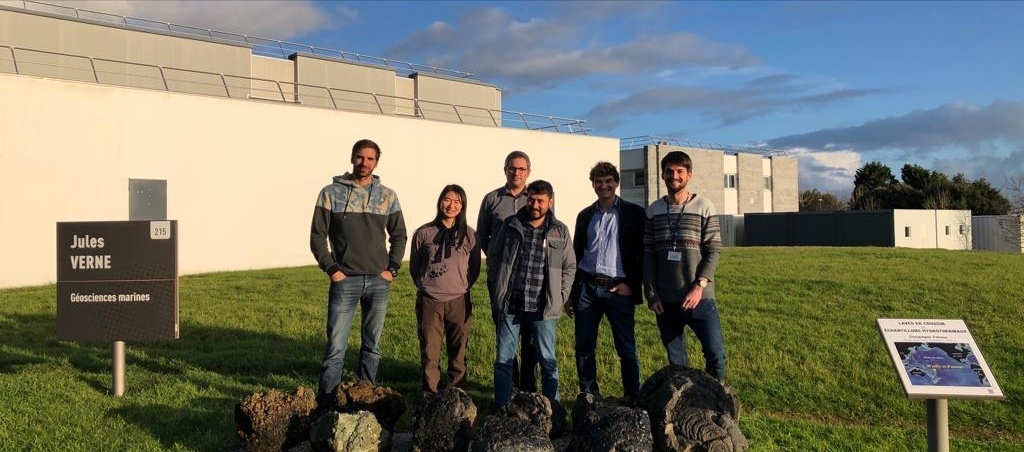
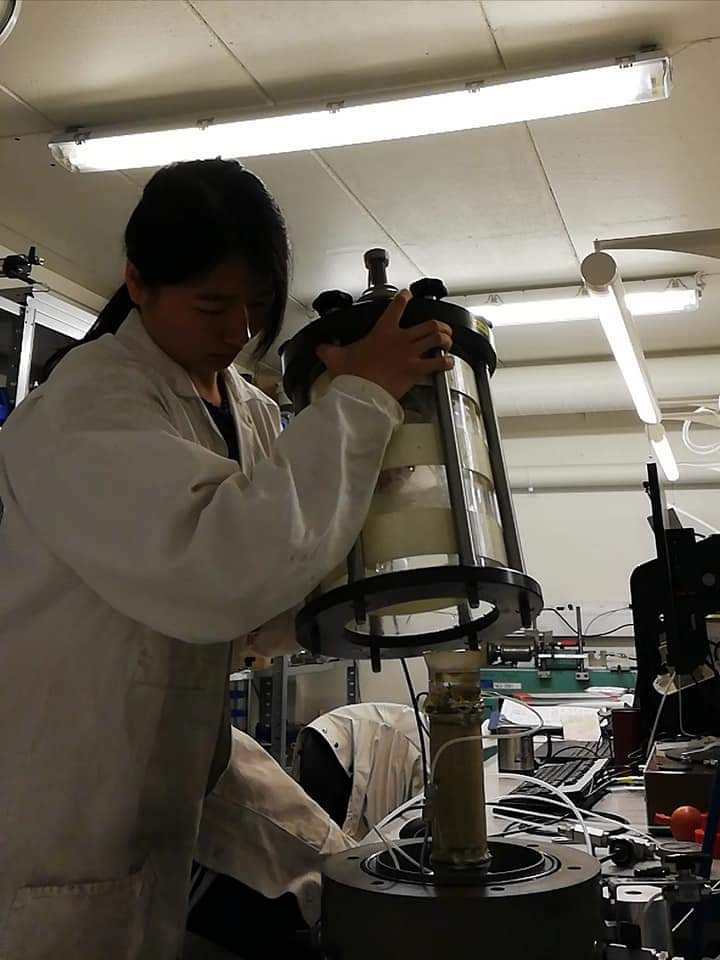
Thanks to SLATE that provided me with the network, I could also link this study with a collaboration with IFREMER. I went back to IFREMER for the second time (November and December 2019) to compare my NGI cyclic shear strength measurements with further test series using a IFREMER machine. The machine at IFREMER is called the Enterprise Level Dynamic Triaxial Testing System (ELDYN) also from the GDS company. It is different from the machine in NGI in terms of the sample dimension, cell pressure controller, and the absence of adaptive stiffness estimate of the cyclic loading term. Repetition tests with these two machines turned out to be very difficult, despite the fact the I was the same operator and used the same sample preparation method. After a lot of efforts, I eventually conducted comparable results  with two different machines with a new proposed calculation method of cyclic shear stress ratio (CSR). I also conducted additional grain size measurements and microscope imaging to investigate if the material’s frictional properties and shear strength may change a lot by grain abrasion. 

Before the end of my IFREMER term, I finished writing my first paper about triaxial tests (Effect of Seismic Shaking on the Monotonic Shear Strength of Sand Without Prior Failure) to Soils Dynamics and Earthquake Engineering, and another paper about considerations of using triaxial tests to assess re-liquefaction potential of sand will come soon in the future.

My research on Ottawa Sand would not have been possible without the technical support and  suggestions of improvement from many engineers, in particular from Yusuke Suzuki and Brian Carlton at NGI, and Nabil Sultan and Sebastien Garziglia at IFREMER. I also thank Carl Harbitz and Antonio Cattaneo for organizing my stays at these institutes.   

For me, the secondments were absolutely very enjoyable in both places. I not only learned many technics but also received welcoming support from many people (both physically and mentally). Finally, it was a surprise that many SLATE students were at IFREMER at the same period! Thanks to Shray, Tugdual and Maarten, I had the chance to drink from a porró (Spanish glass wine pitcher) but poured some Sangria into my nose! It was a failure, but smelled good. Likewise, I met many troubles during my experiments and had to change my plans because of technical difficulties. But I believe that all these hard works will eventually pay off in the future. Thank you all for being there for me on my way of transformation from a geophysicist into a geotechnical engineer!

Locations

  • Norwegian Geotechnical Institute, Oslo, Norway
  • Ifremer , Center of Brest/Plouzané, France

Contributors

SLATE coordinators:

  • Carl Harbitz
  • Antonio Cattaneo

Co-supervisors:

  • Yusuke Suzuki
  • Brian Carlton
  • Nabil Sultan
  • Sebastien Garziglia

Maarten's secondment at the University of Innsbruck, Austria

Maarten Heijnen (ESR10) | @ Innsbruck, Austria (June - August 2018)

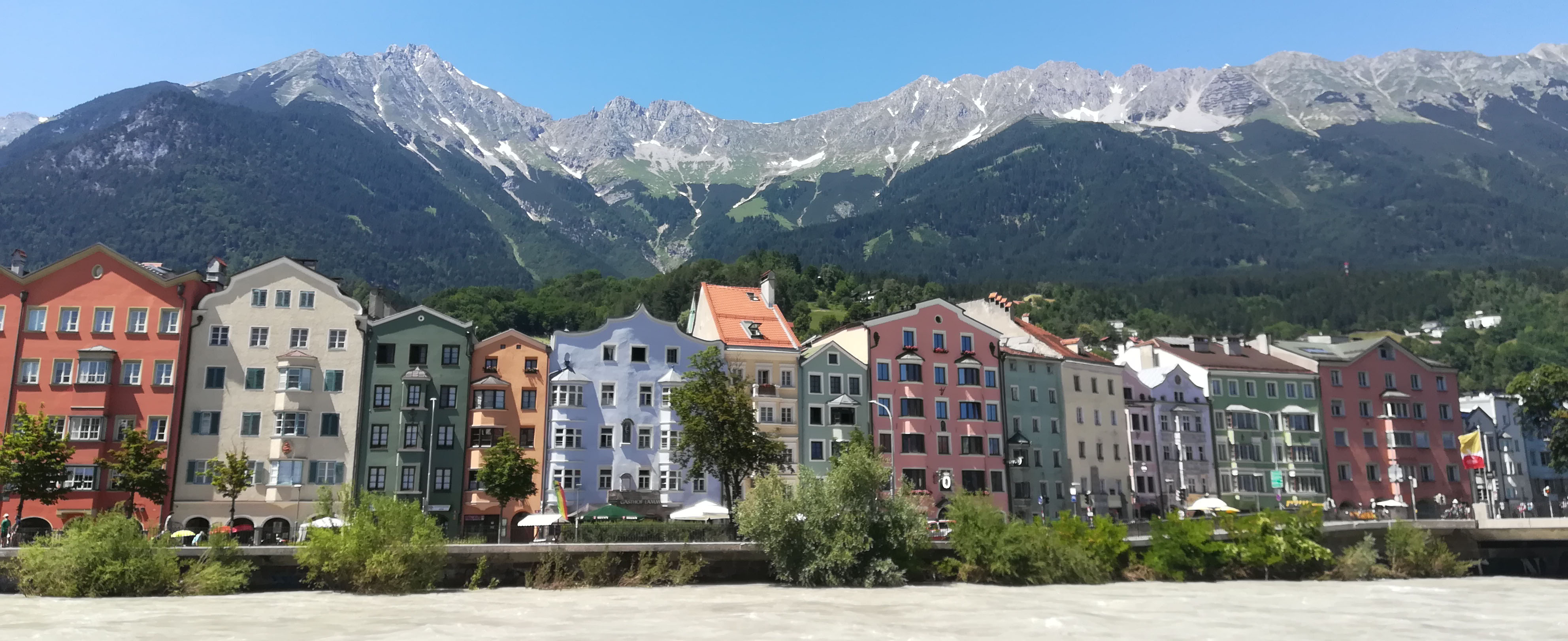
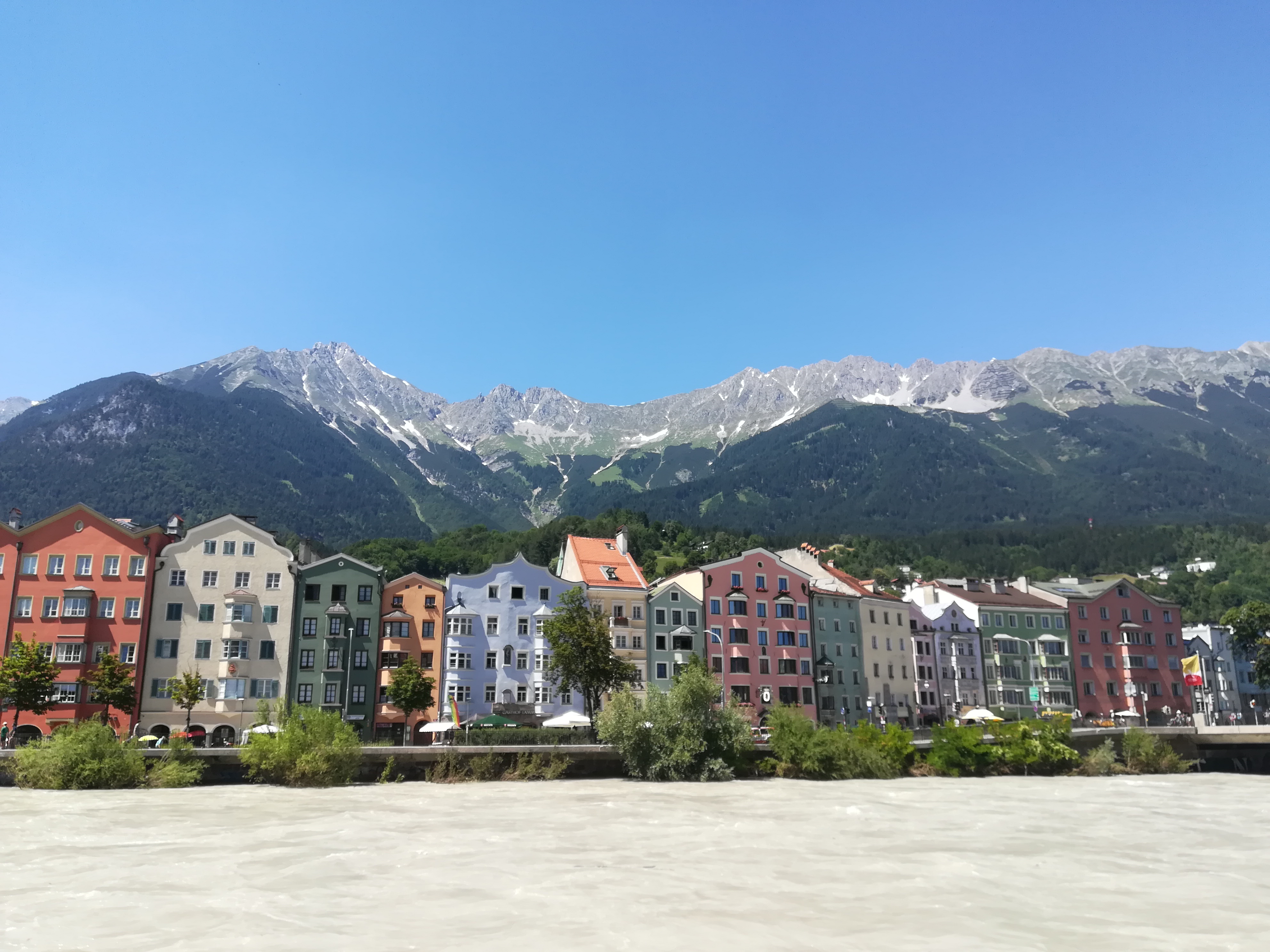
Wow! As soon as the airplane descended through the clouds there were mountains everywhere! This was a great start to my nine-weeks secondment at Innsbruck University. The scenery was so impressive that I was taking pictures as soon as I got out of the airplane, before walking into the arrivals hall at Innsbruck airport. After picking up my bags, I went to Maddalena’s house (ESR 15) who was on secondment in Bremen for the time I would be in Innsbruck, so that worked very well out logistically. Less socially. It was Saturday, after a day of settling in, experiencing the high supermarket prices, and exploring the old town of Innsbruck, my secondment could start on Monday morning.

I would spend my time in Innsbruck working on sediment cores retrieved from Millstaettersee, an Alpine lake in Carinthia, eastern Austria. These cores were to contain a very well preserved and detailed record of lake sediments, including different types of suspended sediment clouds flowing over the bottom of the lake. These flows are called turbidity currents and can be caused by submarine landslides, but also by other events, like river floods. The rest of my project also evolves around these flows, but than in fjords. The scientific purpose of this secondment is to see how these flow events are actually preserved on the bottom of a basin, which is currently not possible in the fjords, since we do not have good sediment cores in the main part of were the flows deposit their sediment (lobes). Furthermore, I would learn how to work with sediment cores, and how to analyse data obtained from them. Lastly, the secondment offered the opportunity to compare lacustrine settings with fjord settings. Prof. Michael Strasser (PI of ESR 15) and Dr. Jasper Moernaut hosted and supervised me during the secondment.

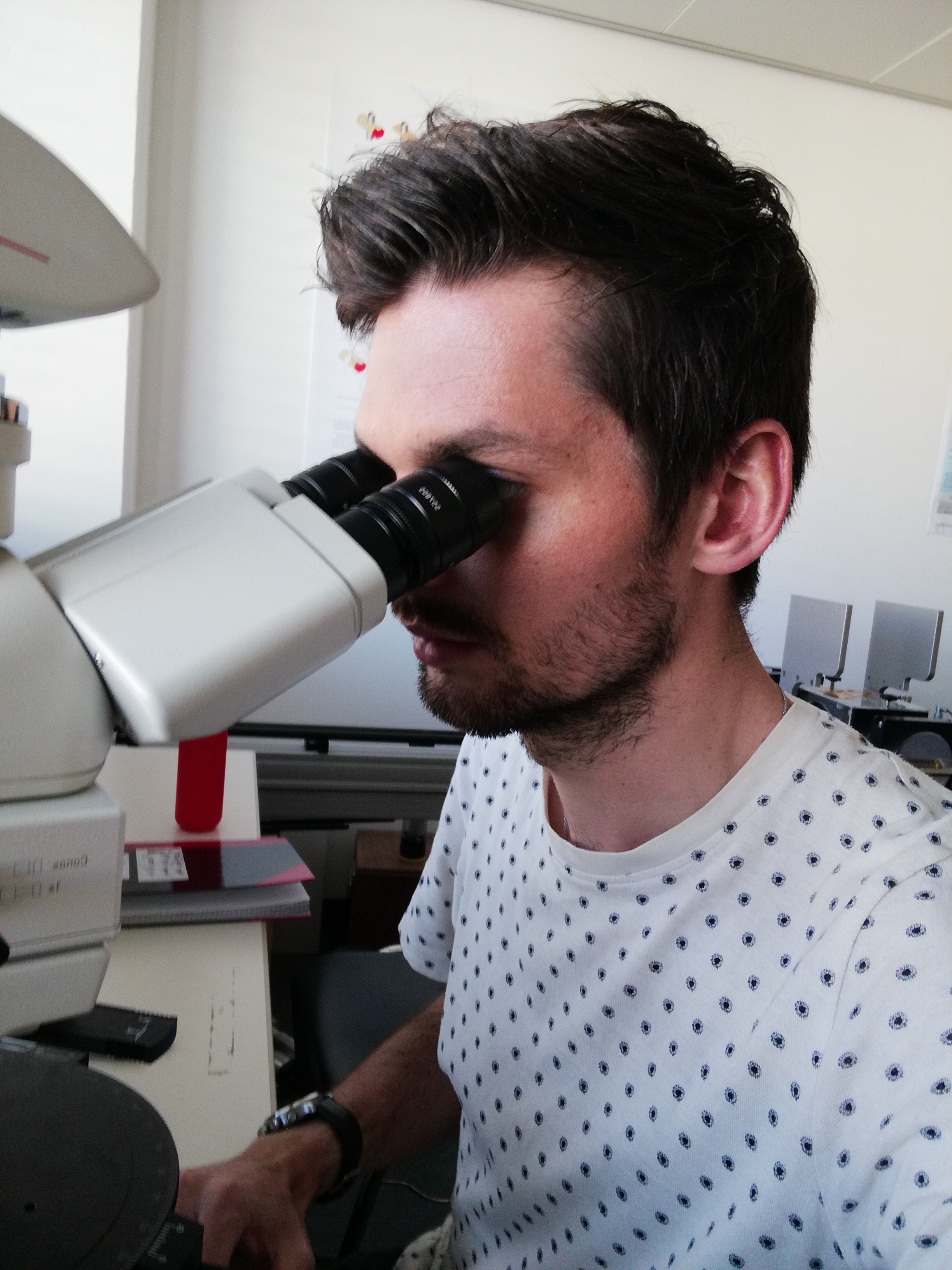
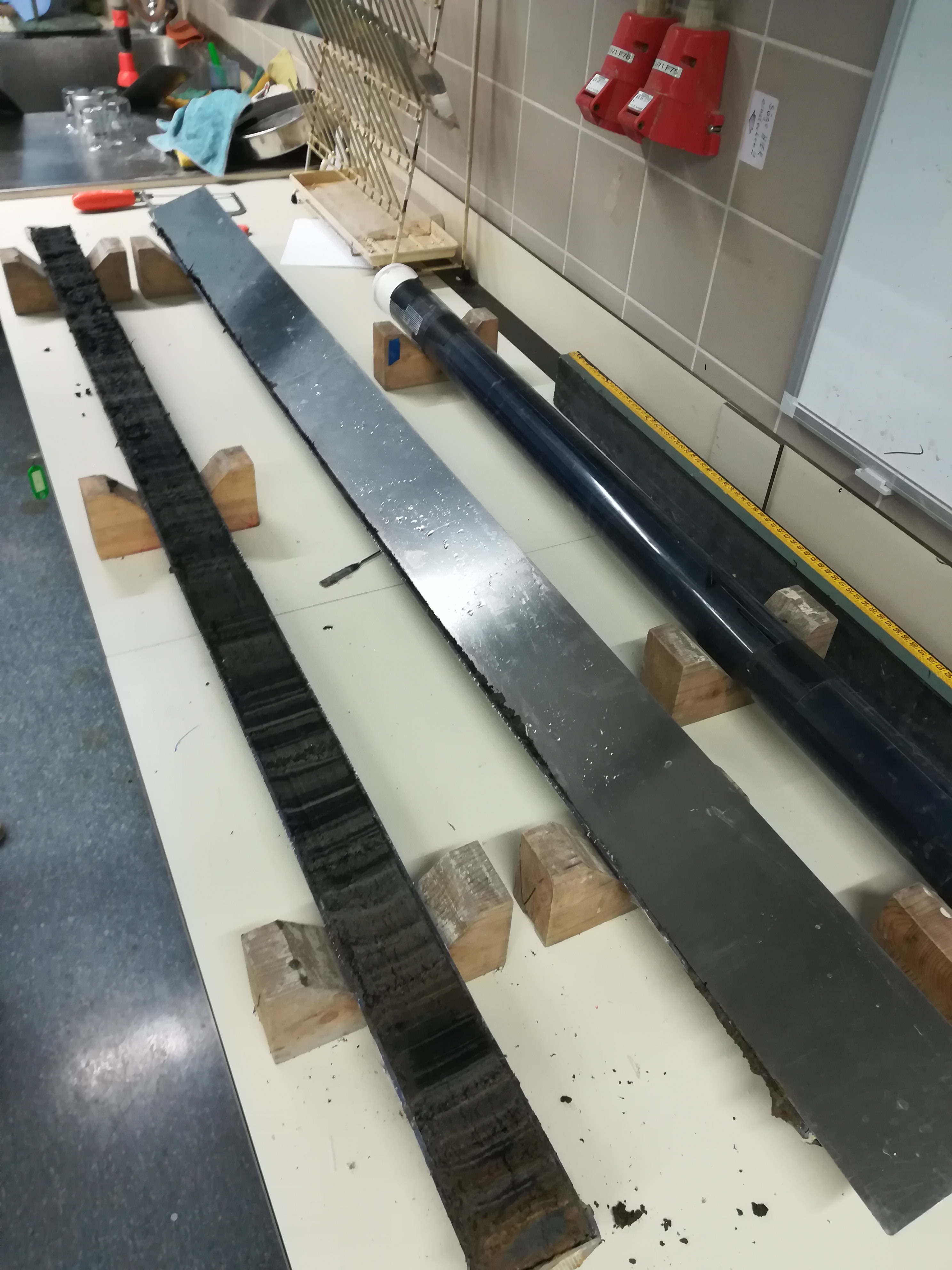
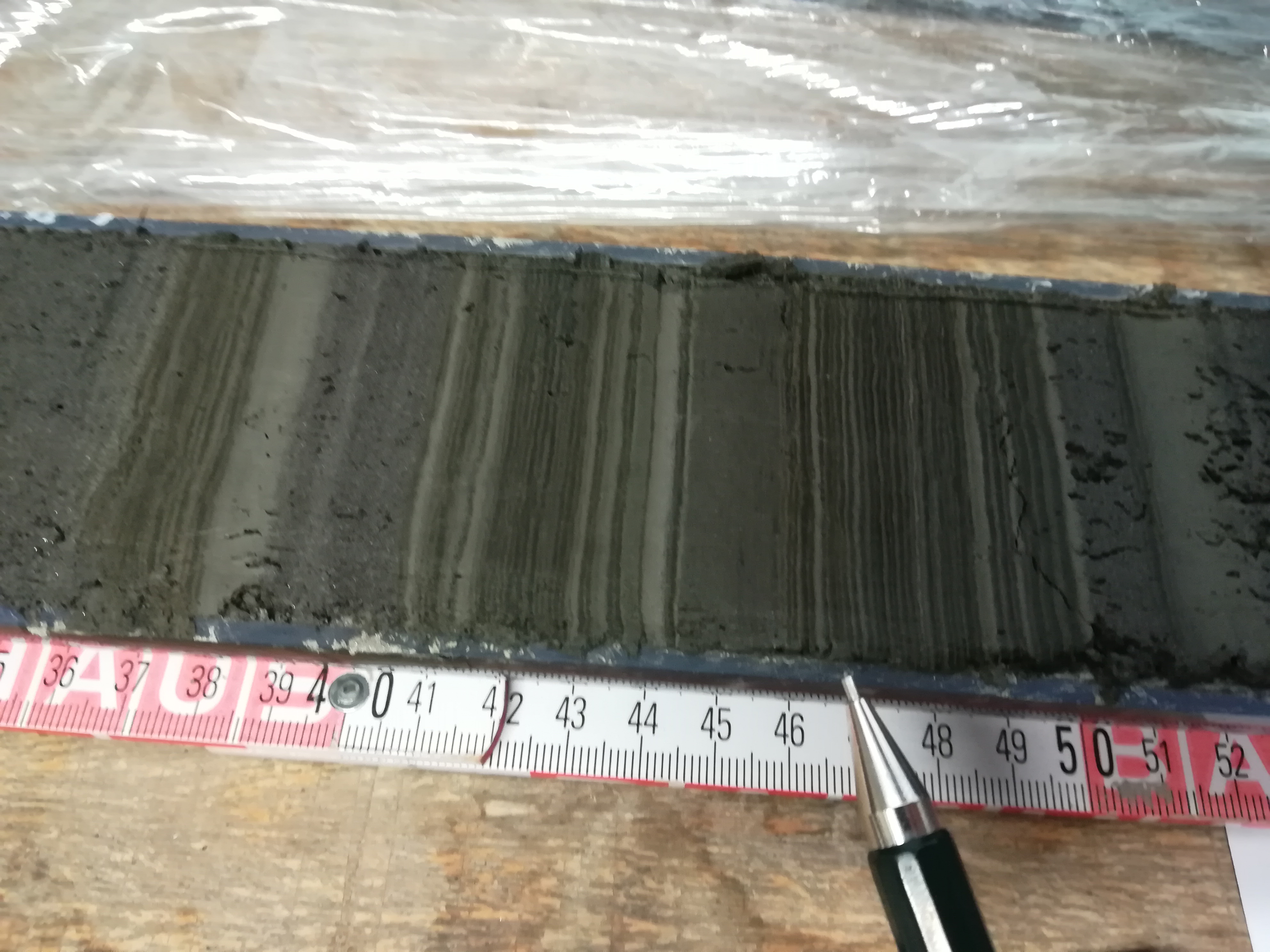
Unfortunately, the cores were collected well before I arrived in Innsbruck, so no fieldwork on an Alpine lake for me this time. Apart from the coring itself, I was involved in the complete process of working with sediment cores, which I had little experience with. Christoph Daxer, a PhD student in Innsbruck, showed me how to split cores, log them, measure their physical properties, and measure their chemistry (with the help of Steven Huang). I also learned how to take small samples from these cores and study their composition under the microscope, and measure the size of the sediment grains the cores are composed of (with the help of Marcel Ortler). One of the highlights was the beauty of these lacustrustrine cores, which have a fine layering in them that is caused by seasonal variations in the lake in them. These are called varves, and allow accurate dating of sediment, just like year rings in a tree. Another highlight was realising how much of the sediment in these cores was made up by microfossils called diatoms, they were a delight to study under the microscope. The variety in the shapes of diatoms and the networks they sometimes form is awesome! Also having the opportunity to work with the ITRAX XRF scanner was great. These machines blast X-Rays into the core, and can give data on the elemental composition of the sediment based on what rays they release back, at stunning resolutions (we used a resolution of 200 µm).

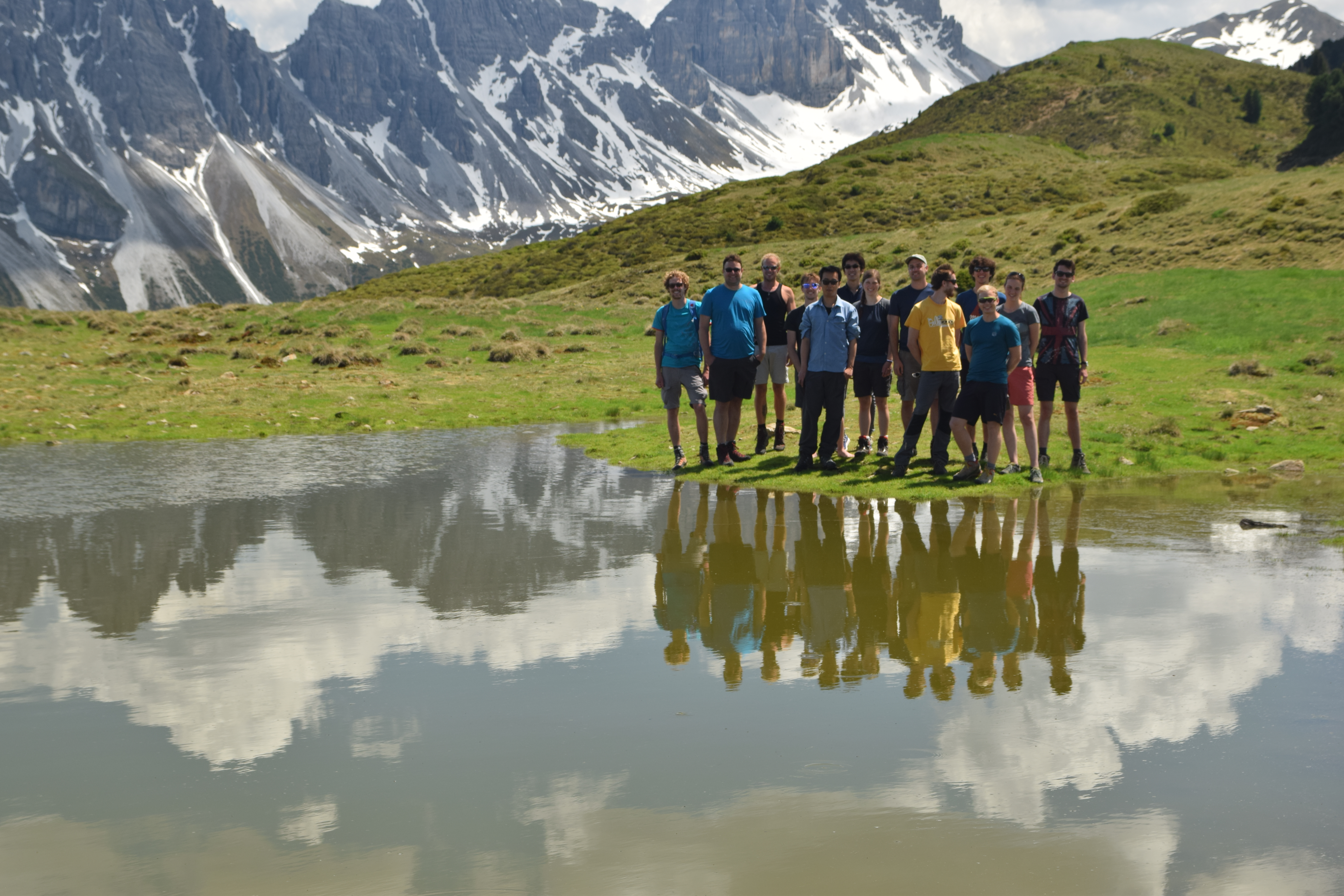
Apart from the science, I had enjoyed working in the group in Innsbruck. Being able to work with people outside of my own research group really expanded my perspective. I shared an office with other PhD students and MSc students from the group. I had various so called “Millstaetter meetings”, and we had group coffee every Monday where we discussed everything that was going on in the group. The planning of my secondment was especially good, as my second day happened to be the group’s yearly hike and barbecue. This was a great way to get to know the group and it made me feel very welcome!

Lastly, living in Innsbruck for a summer, was a great experience! I could work on my German, which got a bit rusty over the years. I enjoyed plenty of local specialities including schnitzels, strudels, apperol spritz, kaspressknödelsuppe, and much more. But the best thing of all was being in the mountains for the entire summer, which is very unusual for a Dutch person. I went hiking at least once a week. Especially so called “hiking club” that my Innsbruck colleague Jana initiated with me, was awesome!

Thanks for an amazing secondment Michi, Jasper, Steven, Christoph, Jana, Andrea, Domi, Patrick, Tobias, and Marcel!

Servus!
Location

  • Innsbruck, Austria
Bremen

Maddalena’s 3-month secondment at Marum, Bremen

maddalena sammartini (ESR15) | @ marum bremen, germany (june - august 2019)

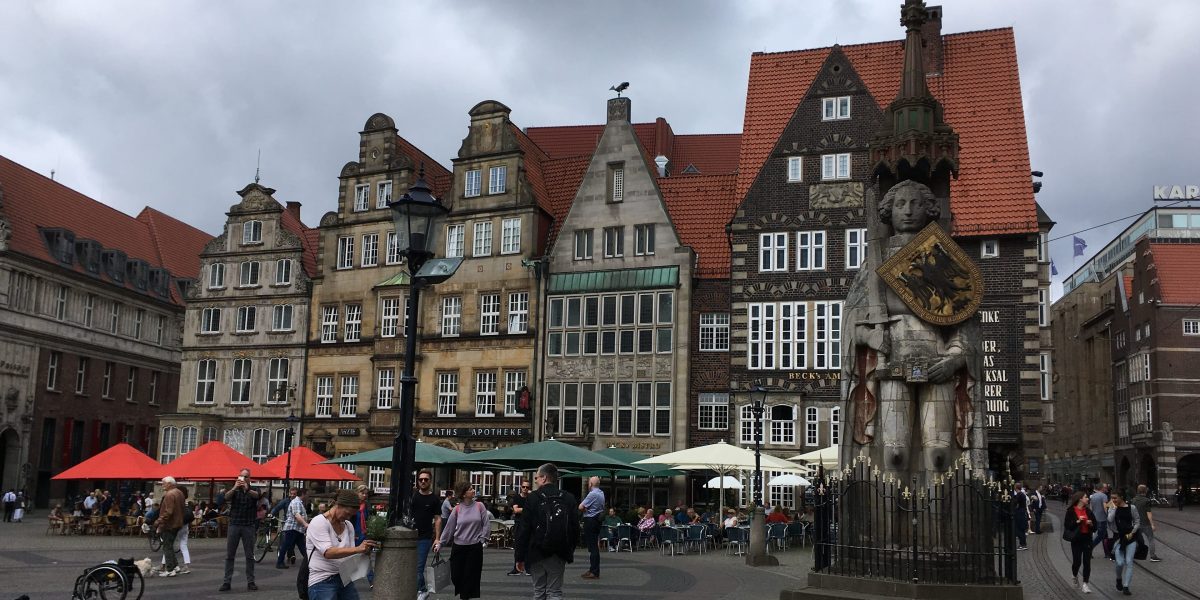
One year after my short visit to MARUM (see previous report), I returned back to Bremen, this time for a three-month secondment. After opening some Lake Lucerne cores in Innsbruck, and performing  on them the basic tests, such as water content, fall cone test, vane shear, granulometry analysis, and Atterberg limits, I moved (with my cores) to Bremen for a more advanced geotechnical analysis. 
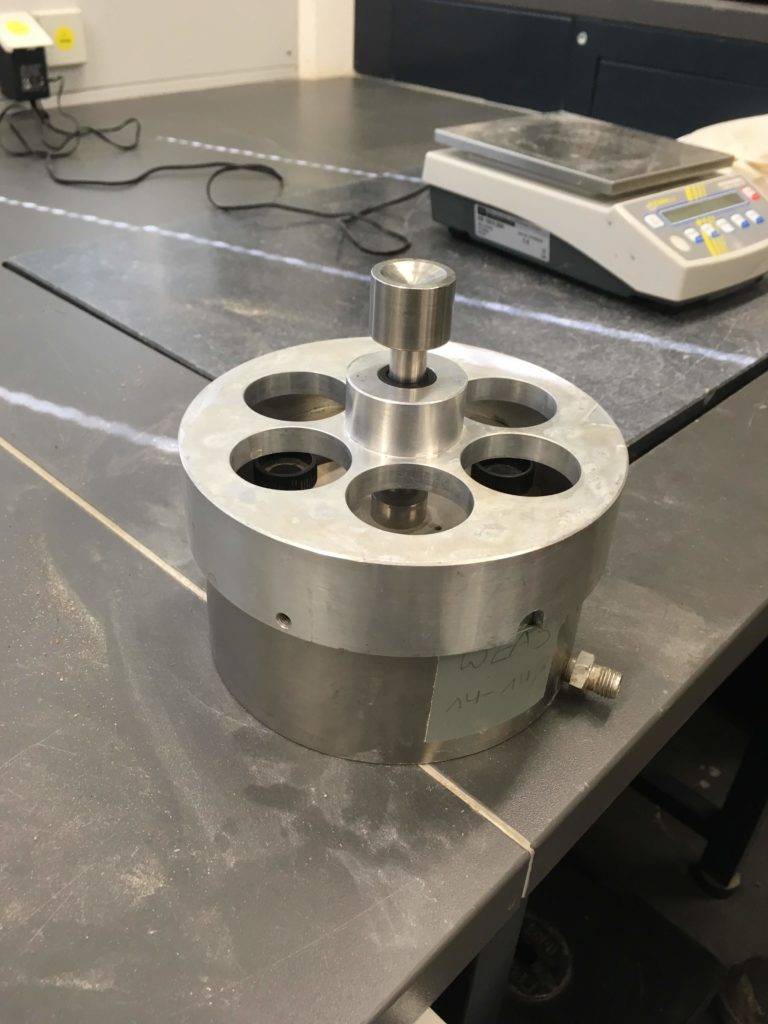
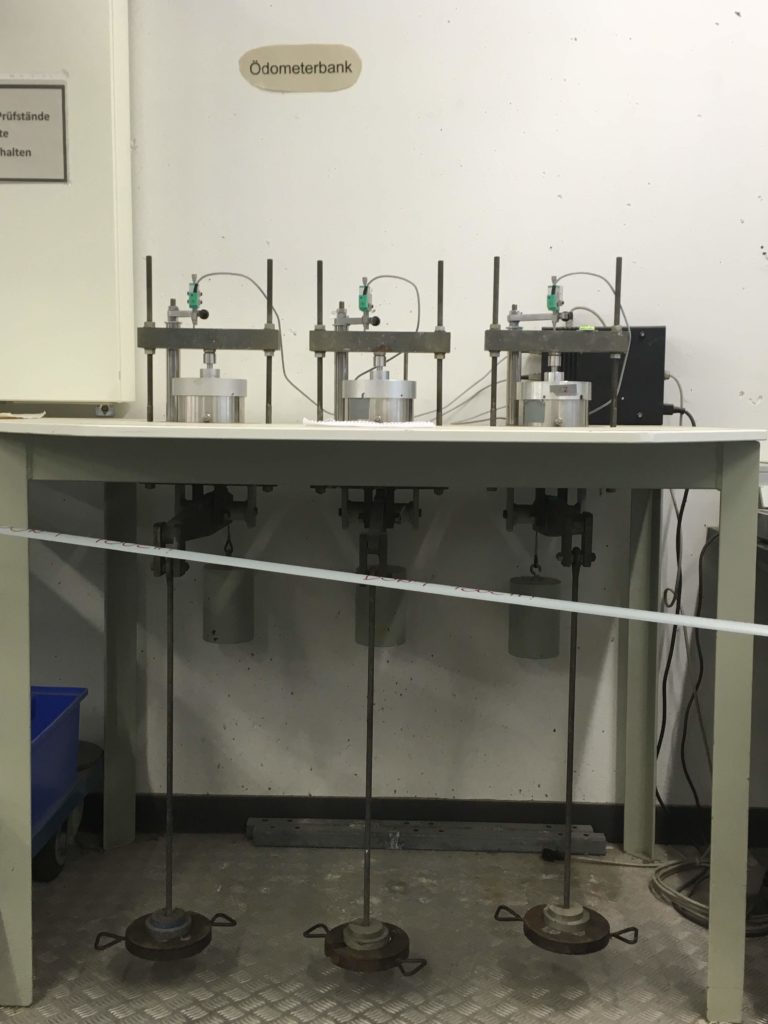
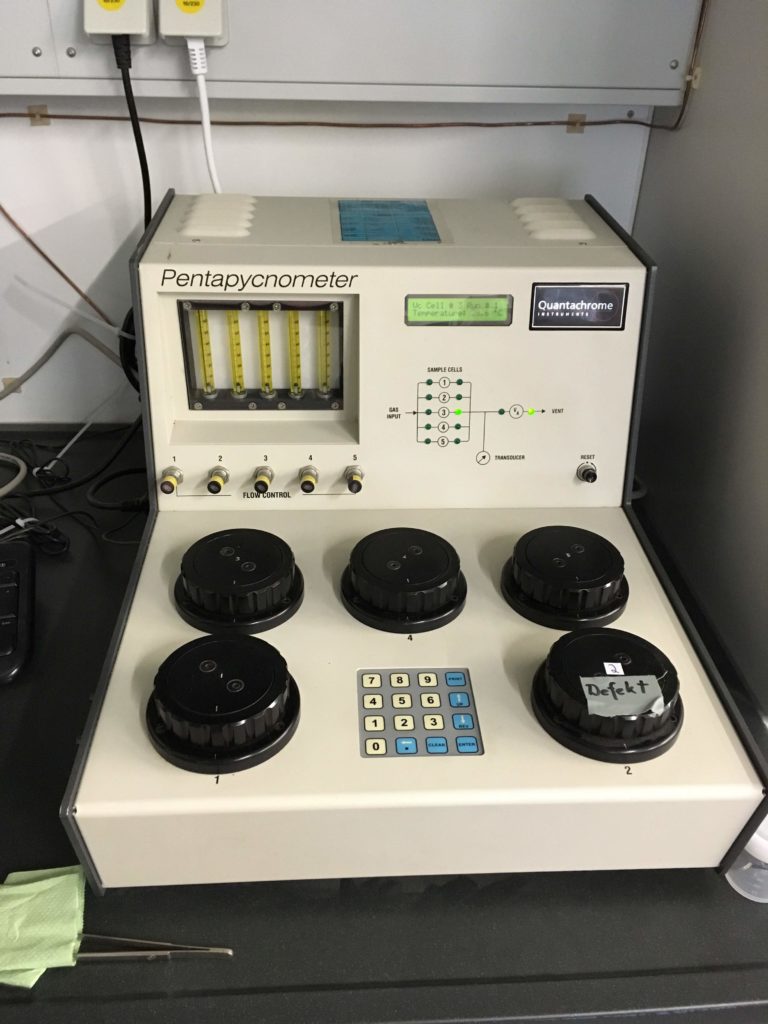
Between June and August I dealt with oedometric tests, pycnometer measures and ring shear tests, with the main aim of characterizing both basin and slope sediments in Zinnen and Kastanienbaum area.

Oedometric test:  used for measuring the sediment’s consolidation status and compressibility properties. An undisturbed sample of sediment is put inside the consolidation cell, and subjected to increments of effective vertical stress. Each application last for 24h and the vertical displacement of the sample is measured in time. The load is doubled at each increment. After reaching the maximum load needed, the sample is subjected to an unloading phase, during which the swelling properties of the sediment are recorded. 
For my tests, I applied the following effective vertical stresses: 2.5, 5, 10, 20, 40, 80, 160, 320 kPa. For the unloading phase: 80, 20, 5 kPa. Each test lasted for 11 days.

Pycnometer test: used for measuring the solid density. After measuring the water content, the dry sample is put in a beaker of known density and then inside the machine, which calculates, in few minutes, the density of the solid.
This device has been very useful for my oedometric test analysis. Knowing the density of the solid, and the initial and final water content of the sample, it is possible to express the vertical displacement at each loading step in terms of void ratio change.

Ring shear test: used for measuring the residual shear strength of soil. A remolded sample of sediment is put inside the ring shear apparatus. The soil, subjected to different vertical stresses, is sheared by rotating the bottom of the ring shear apparatus until it reaches 3 mm of displacement. The shearing velocity is constant during the test, and it has to be carefully selected, based on the kind of sediment, in order to avoid the formation of excess pore pressure. 
For my tests I used a shearing velocity of 0.033 µm/s and the following vertical stresses: 2, 5, 10, 17, 32, 64, 125, and 247 kPa. Each test lasted for 19 days.

The biggest challenge during my stay at MARUM, has been recreating, in laboratory, the in situ conditions of my sediments. These geotechnical devices are built to work with the high vertical stresses of marine investigations, with lever arm that multiplies x5 or x10 the weight you put. In my case, I work on superficial lake sediments, which are subjected to an in situ vertical stress of ~2-5 kPa. Therefore, I had to start all my tests with the minimum weight allowed (0.1 kg). With this low weight, the machines are very sensible and just an accidental hit to the working table can ruin the measure and therefore the entire test. 
After a first month spent in getting familiar with the all the devices and the technics, and in performing some empty tests for measuring the “machine noise”, I was able to perform 11 oedometric tests and 4 ring shear tests.

Thanks to this secondment in Bremen I was not only able to get more interesting data for my Lake Lucerne investigation, but also I developed geotechnical skills, which could be very useful for future career.

Location

  • MARUM Bremen, Germany

My First Secondment in Durham, including a visit to the british geological survey

Thomas Zengaffinen (ESR13) | @ Durham University, United Kingdom (1 May - 1 August 2019)

The third chapter of my PhD is modelling the Trænadjupet Slide and its resulting tsunami. The landslide is one of the largest submarine landslides that happened worldwide at ~3000yr BP off the western Norwegian coast, though there is no evidence of tsunami deposits in coastal lakes. Through numerical modelling, I intend to find out how the failure dynamics of the Trænadjupet Slide governed the lack of tsunami generation.

Between May and August 2019 I began my first secondment at Durham University, collecting data for my initial model setup and an explanation for its failure dynamics.

Joshua Allin is the first author of a currently revised scientific paper that deals with geological evidence associated with failure dynamics. Three of many co-authors are Peter Talling, David Tappin, and Edward Pope. Peter Talling and Edward Pope are both based at Durham University, with Peter Talling supervising me during my secondment, and Edward Pope providing me with the bathymetric data of the landslide. David Tappin works in Keyworth at the British Geological Survey (BGS) and is currently carving out supporting arguments on the failure dynamics.

Discussions with Peter Talling about the geological setting and possible failure dynamics served as a good start. After a month in Durham at the beginning of June 2019, I visited David Tappin in Keyworth for two days, where we discussed possible scenarios of the slide failure dynamics by looking at 3D-Multibeam data. He shared his recent findings and analysis so that together with my modelling skills gained in Oslo, I was able to explain to him how we intended to set up the numerical model of the landslide.

During the SLATE midterm meeting in Bremen at the beginning of July 2019, Finn Løvholt, one of my supervisors in Oslo, Peter Talling and I took the opportunity to discuss the progress of my Trænadjupet chapter. We also talked about my second chapter, modelling the 2018 Anak Krakatoa flank collapse and tsunami.

During my stay in Durham, I regularly discussed the findings from the 2018 Anak Krakatoa event with my supervisors Finn Løvholt and Carl Harbitz from NGI, and with Geir Pedersen from the University of Oslo. They advised me on the further steps needed to finish my simulations, analysis, and writing of this second chapter. By the end of my secondment, I had come up with a first paper draft on which Peter Talling gave me fruitful comments concerning the writing.

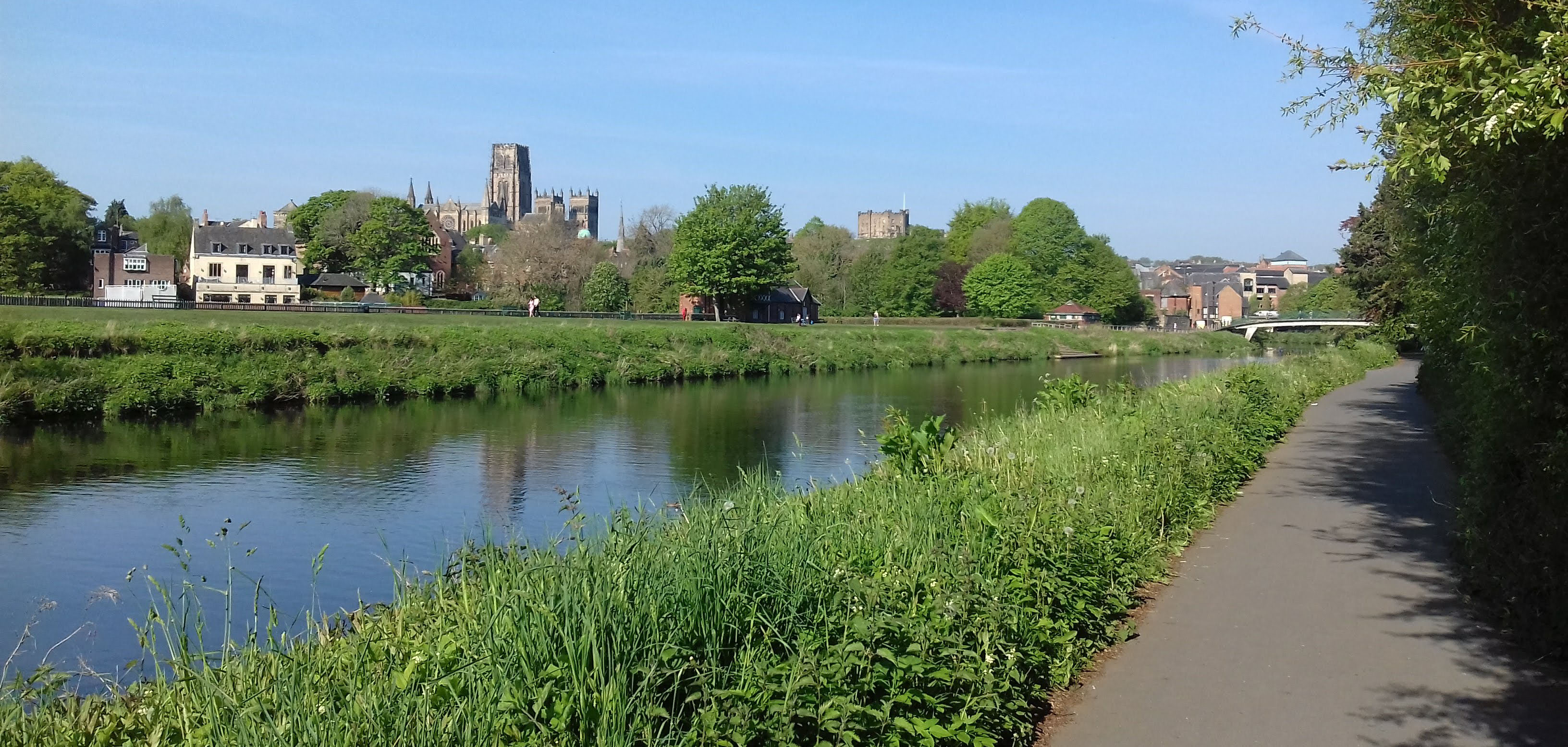
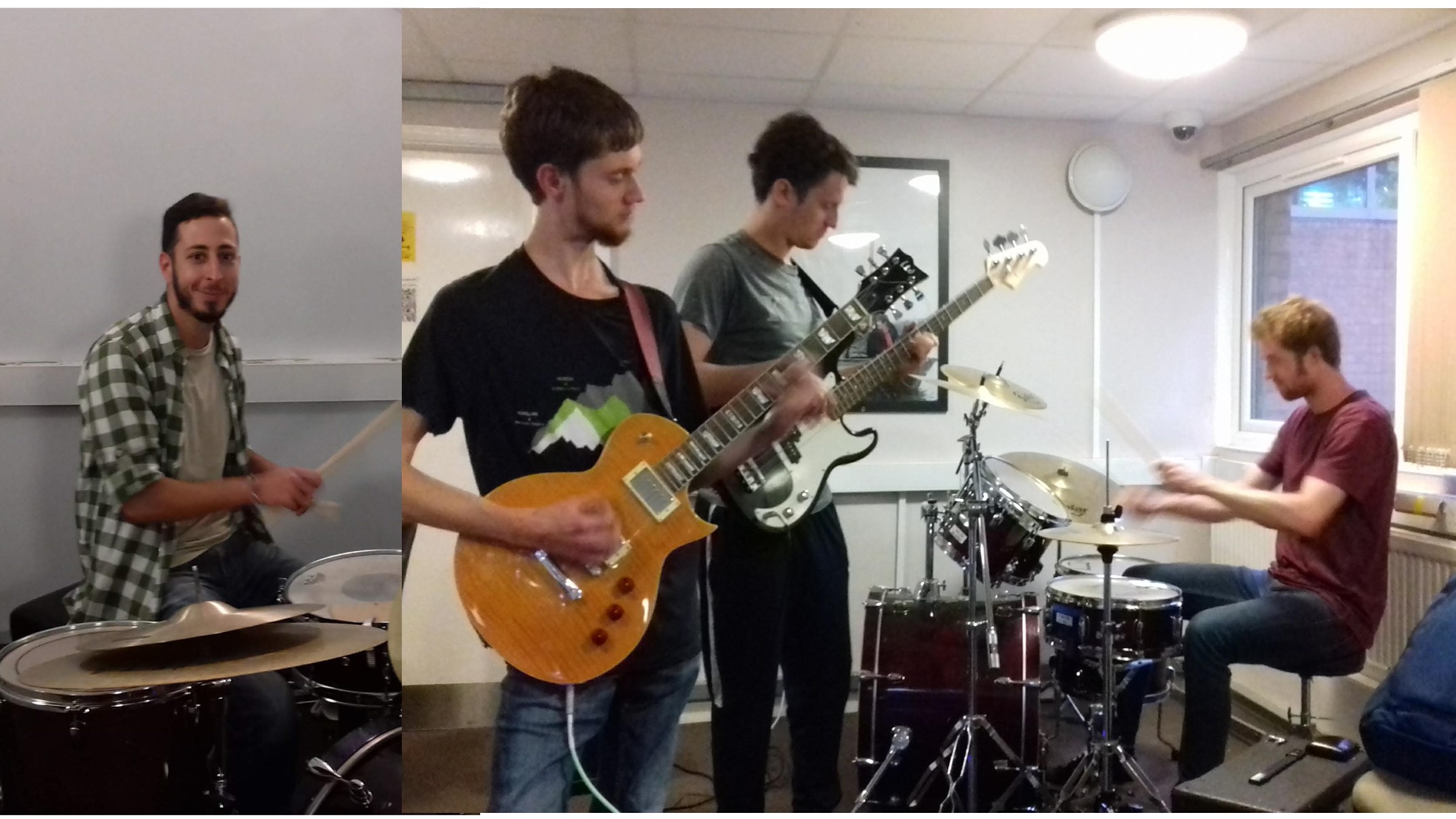
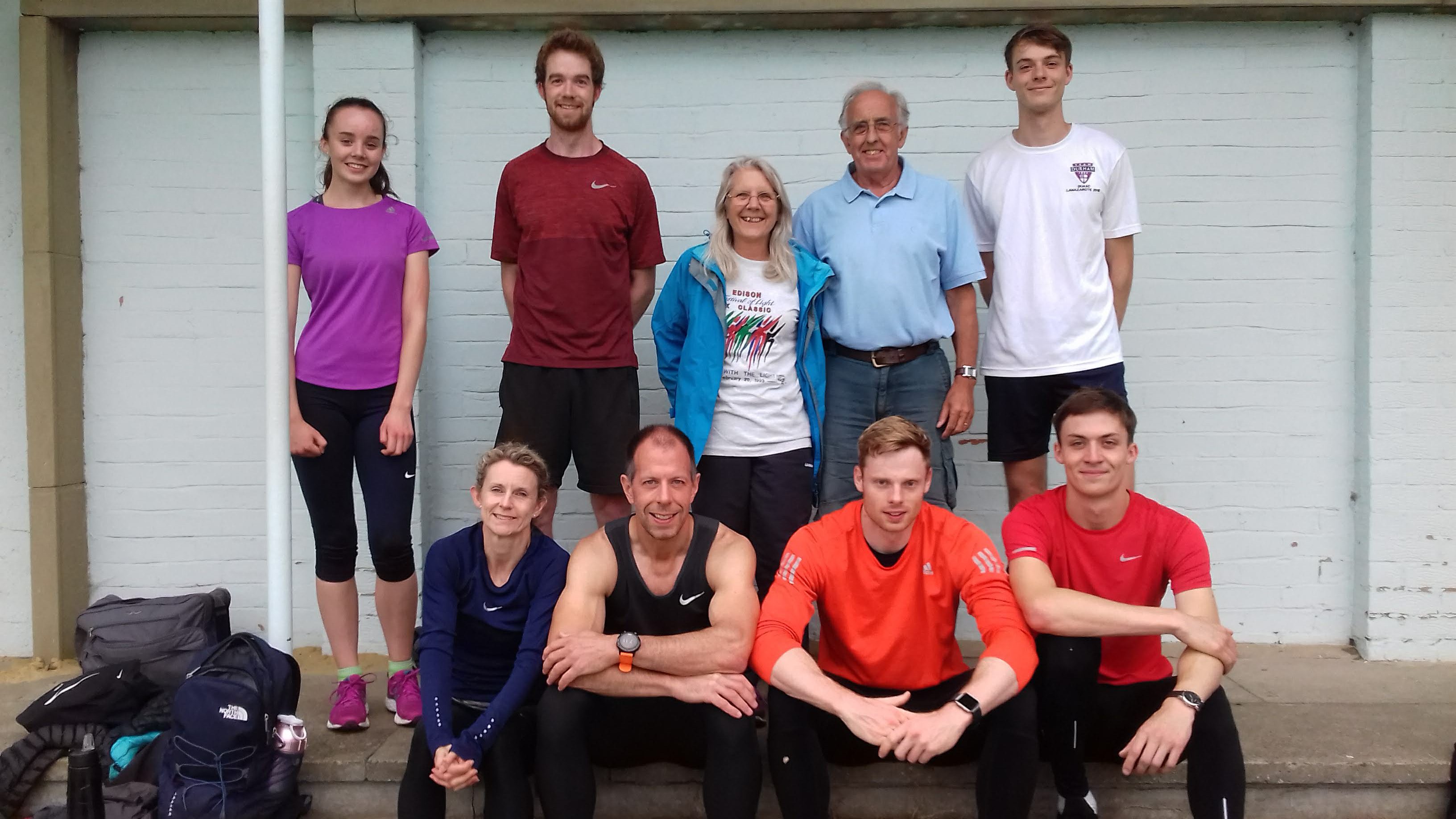
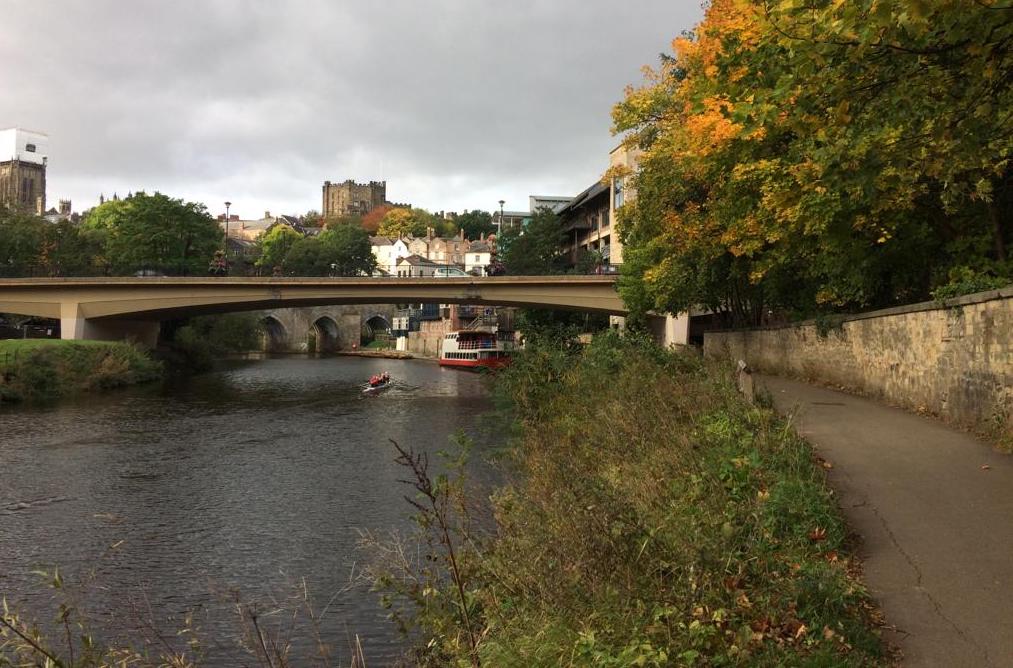
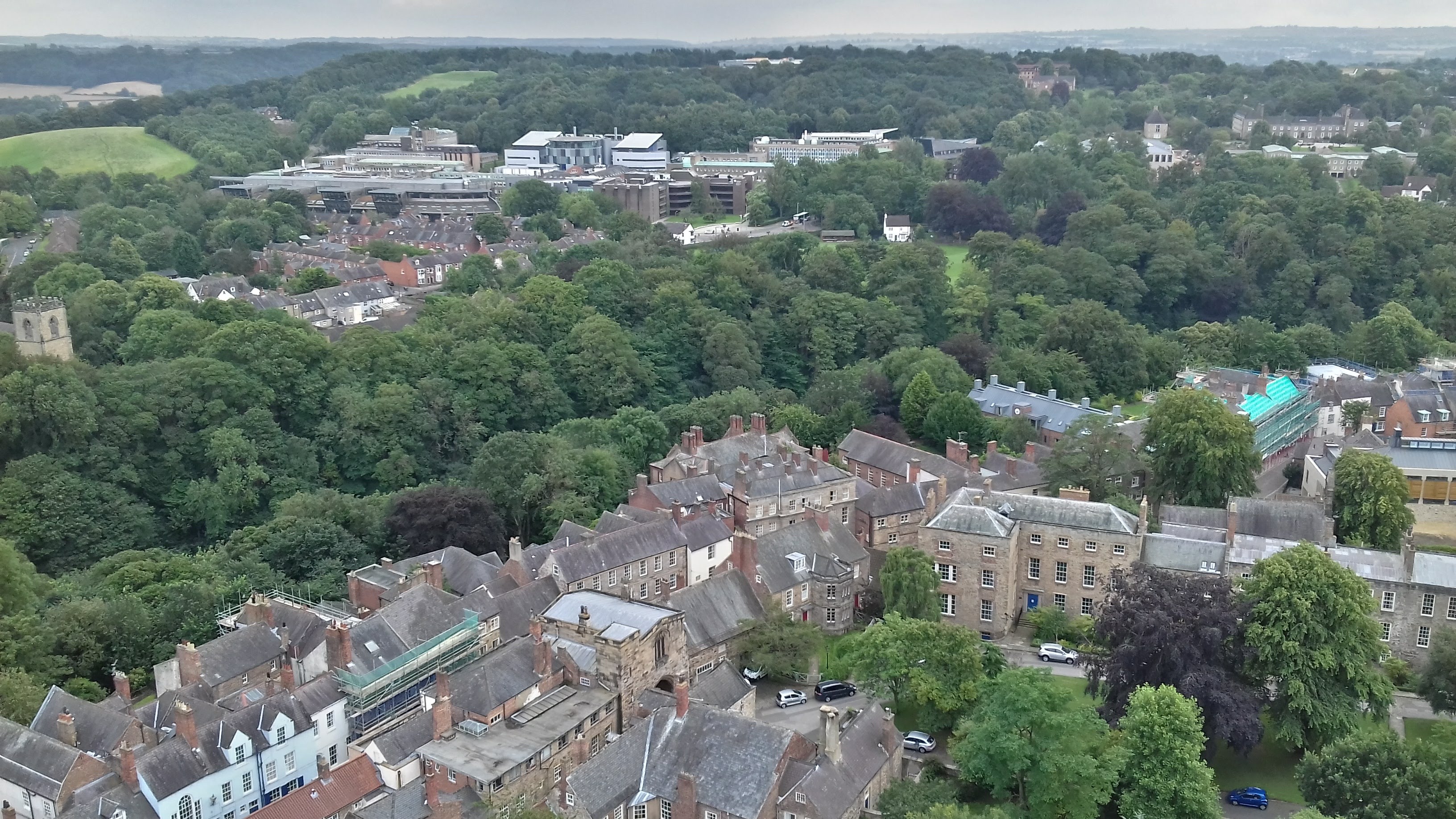
Apart from science, I socialised with my office mates who were seated in the same open-plan office as me in the department of Earth Sciences. After work hours, we spent time together socially. There were several other musicians in the department, and we met weekly for jam sessions. Many students lived in the same part of town as I did, including Kate Heerema, ESR 5, who came back from Oslo in the last week of my secondment in Durham. As a passionate long sprint runner, I joined the running team ‘The City Harriers’ and had the chance to train with national champions as well as other decent runners.

All in all, my secondment at Durham University was a great opportunity to collaborate and socialise with other great researchers. The bathymetry data provided by Edward Pope, and taking Peter Talling and David Tappin’s geological explanations of the failure dynamics into account has been invaluable in the progression of my project. Furthering our geological understanding has made our numerical models much more realistic, so for this, I am very grateful.

Kate’s 4-month secondment at NGI, Oslo

Kate Heerema (ESR5) | @ NGI Oslo, Norway (March - June 2019)

From March to the end of June, I spent my time not in Durham, but in Oslo for my secondment at NGI. Over the 4 months, I tried to learn as much as possible about numerical modelling. Numerical modelling can be described as follows: using a variety of equations that form a “rulebook”, and given some standard input values, the computer calculates what the likely scenario is. However, there are usually some unknown variables, simply because we don’t have the data and rely mostly on theory! The system can be quite sensitive to these unknowns – a tiny change of the value can have major consequences for the model output. 

Because I was starting from scratch, there was a steep learning curve for me to get even slightly familiar with numerical modelling. Eventually, we set up a model using open source software for computational fluid dynamics – OpenFOAM. With lots of help from Matti Rauter (ESR14), we managed to set up a basic model after 14 days. Although this was far from bug-free, it did enable me to gain an understanding in numerical modelling – including its inherent and continuous debugging. We have now managed to set it up in such a state that I can continue with the model implementation when I get back to Durham. 

To me, this 4-month secondment embodied everything possible within SLATE; where we combine knowledge and expertise and try to build bridges between different fields. This is a unique opportunity to combine the expertise of scientists that are usually very segregated. My background is in direct, in-field measurements of turbidity currents. At NGI, the main task was to see if we could translate these measurements into a model that can predict the patterns we see in real-life. Ultimately, the goal is to set up a model that can reproduce real-life turbidity currents, and thereby work towards mitigating risks associated with these hazardous events. However, in order for that to work, the physics and variables need to be accurate enough to capture the complicated reality. In order to do so, we need in-depth knowledge of both the numerical model and the geology.

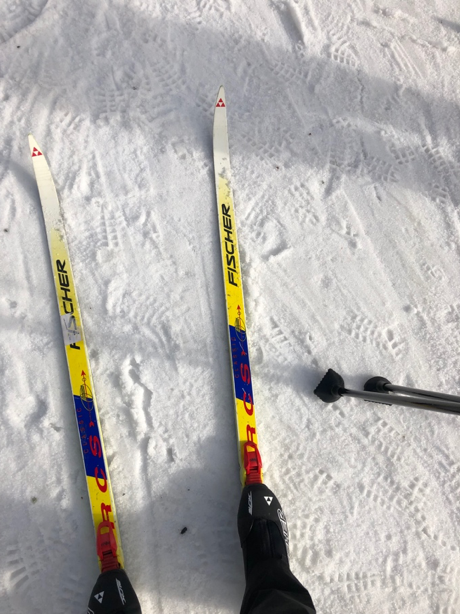
My secondment at NGI has been a great way to integrate into Norwegian life. All the people I have worked with over the last few months at the institute have been incredibly welcoming. I also got amazing insights into Norwegian culture (e.g. Vaffel fredag, “Waffle Friday”, is simply a great tradition!), and learnt that it actually does matter which wax you put under your cross-country skis… I am especially thankful to the colleagues that showed me the best bits of Oslo (and surroundings)!

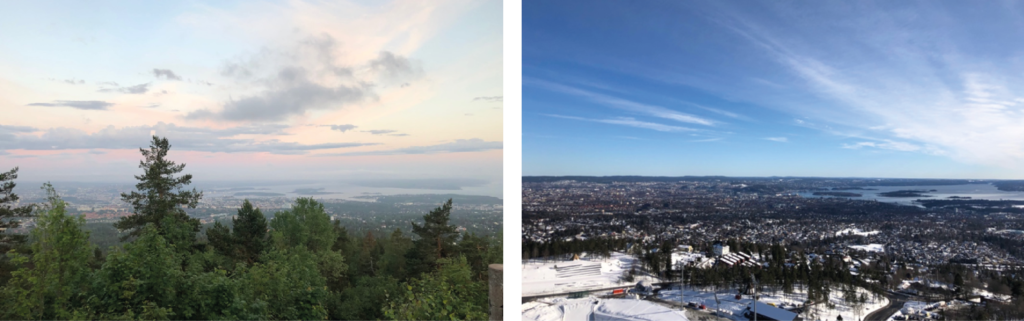
My four months in Oslo also provided me with the opportunity to explore Norway. Oslo is an amazing city – in many ways quite different to Durham. Both, however, have a feel for the outdoors, with close proximity to great nature. Here in Oslo, I was able to go cross-country skiing just by taking the metro; outdoor climbing with a view over the city; and swimming in the Oslo fjord (both in winter and summer). The long weekends in spring made it possible to go tour skiing near Gaustatoppen over Easter, and hiking in Rondane over “Pinse”. I finished off my secondment with a couple of weeks of holiday in Tafjordfjella and Åndalsnes; where I experienced both winter and summer within one week. Åndalsnes was also an interesting place to go as a geoscientist: the Mannen (“The man”) mountains nearby contain a section (Veslemannen, “The little man”, which has a volume of 120-180,000 m3) that is unstable. Veslemannen has been moving and predicted to collapse since 2014, and has kept locals, geoscientists, civil emergency response teams in Norway busy ever since.

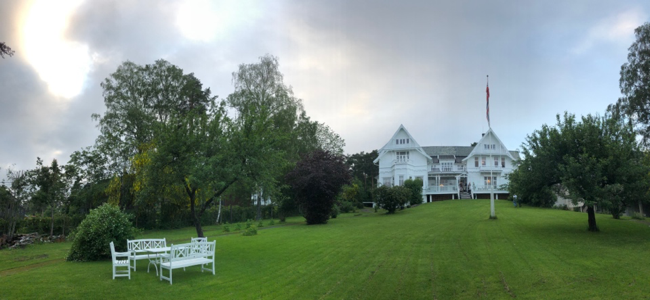
The location of the NGI summer party - a great way to start the summer

Report of Ting-Wei's 2nd secondment @NGI

TING-WEI WU (ESR7) | @ NGI, OSLO, Norway (MAY-JUNE 2019)

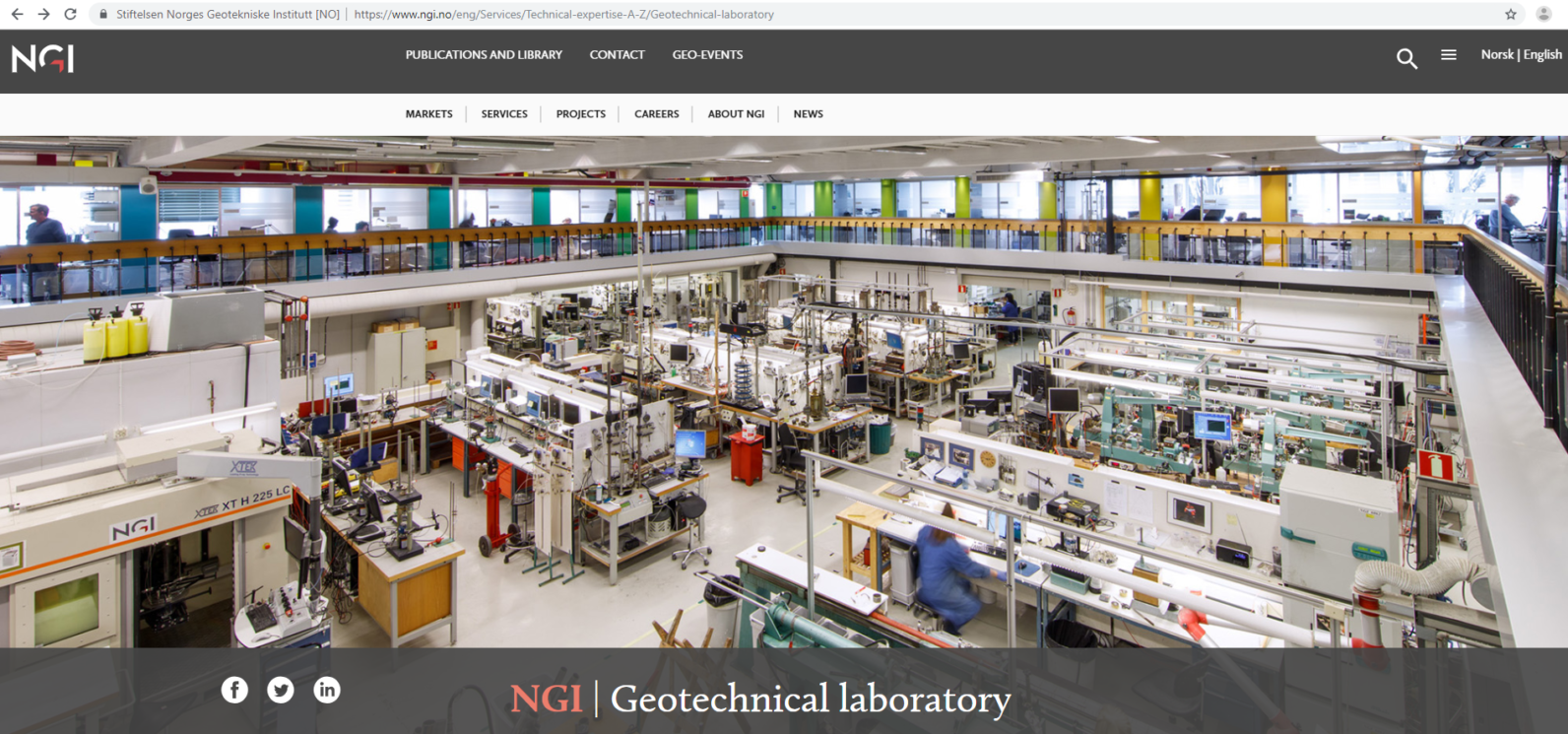
Thanks to SLATE that provided financial support to make this stay possible, I could have a very nice working and learning experience in the Norwegian Geotechnical Institute (NGI) in May and June, 2019. In its world-famous geotechnical laboratory, I continued doing my seismic strengthening study on Ottawa Sand with an advanced triaxial apparatus.

I would like to thank Carl Harbitz for introducing me into the NGI community where I not only enjoyed work but also got the chance to join many activities. NGI has a very active and vigorous working environment and I received a lot of support from numerous people, in particular from Yusuke Suzuki who assisted me in changing the load cell and the top cap, demonstrated how to measure the shear modulus using bender elements, and created an adaptive control function to estimate the specimen’s stiffness during dynamic loadings to improve data quality. In spite of his own lab duties and tight schedule before the summer holidays, he spent a lot of extra time with me to solve problems and discuss techniques and theories every day. I am very grateful to his great expertise and supervision which made my stay successful. Helge Rolandsgard kindly showed me for the first time how to prepare a sample with NGI’s moist tamping technique, which was very impressively precise in controlling the height of the reconstituted specimen. I would also like to thank Thomas Vestgården who helped me with the determination of minimum and maximum dry unit weights of my Ottawa Sand samples using NGI’s in-house dry deposition and vibration methods. 

I conducted 26 triaxial tests in these two months and gave two presentations in June. I really appreciated the presence of many attendees who gave me knowledge input and suggestions to improve the testing procedure, especially from Amir Kaynia and Brian Carlton. In the geotechnical laboratory, I received a lot of advice from numerous experts, and also got the chance to learn from people who did different kinds of tests. As I was not an engineering student before, it was very interesting to know the perspectives from those hard-core civil engineers. Many thanks to the lab people (Santiago, James, Yubin, Monica, Tariq, Pasquale, Jenny…) who kindly demonstrated their testing procedures to me!

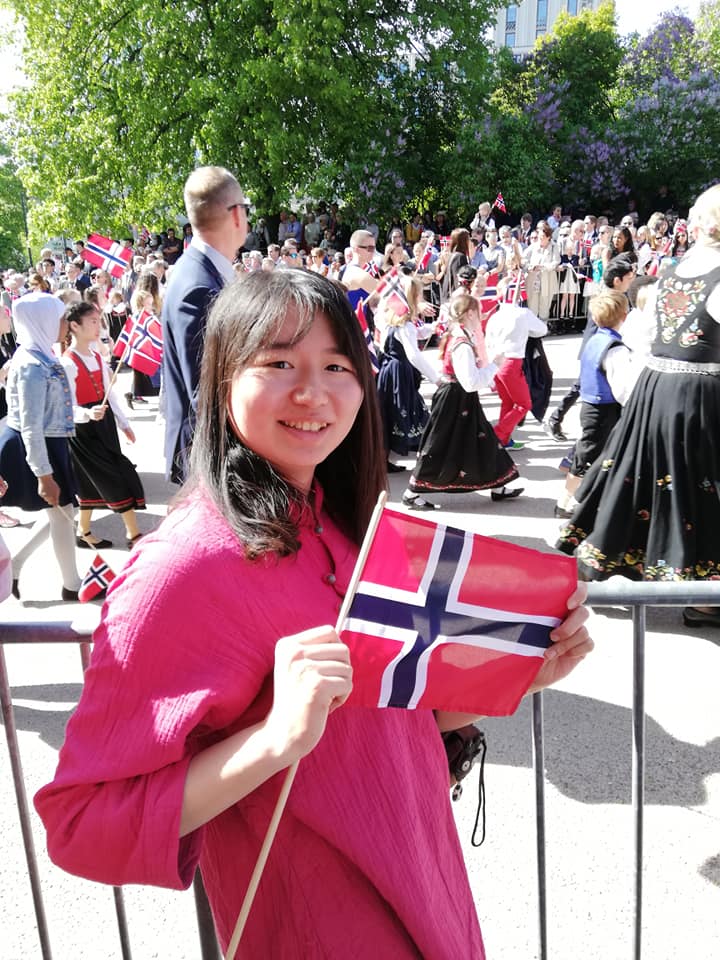
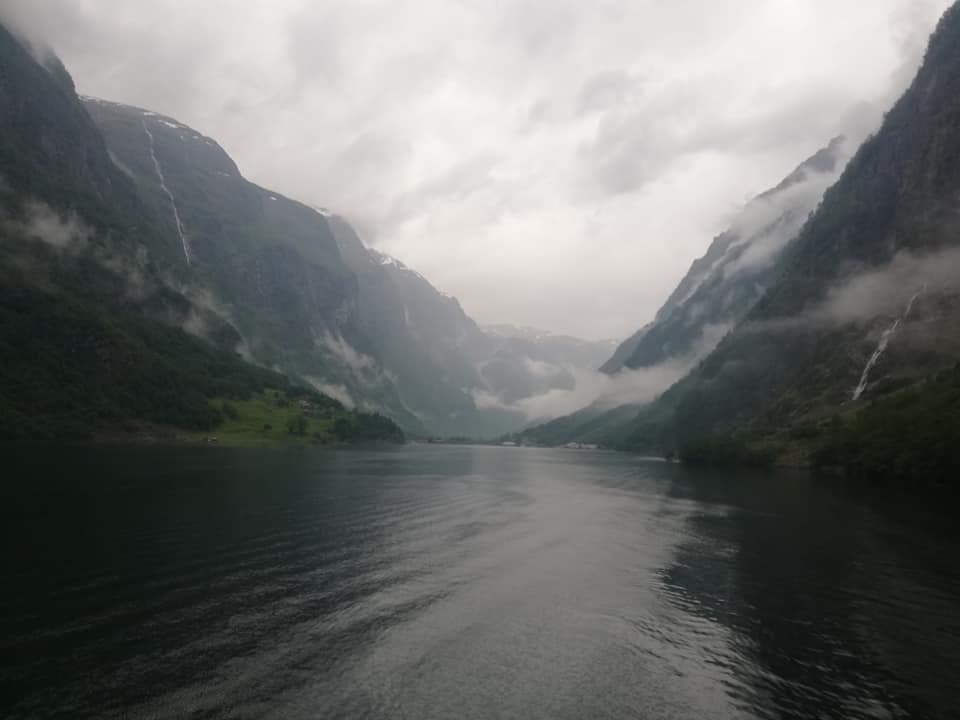
Aside from the NGI work, I really enjoyed my leisure life because it was my first time to go to Norway and I was very impressed by the splendid Norwegian culture. May and June were a very good timing to visit Norway because it was (mostly) warm and bright, and I also got the chance to celebrate Norway’s national holiday on May 17th watching the spectacular parades with people wearing their nicest traditional suits. On one weekend I visited the western coast of Norway and completed one of the items on my bucket list to sail inside the fjords of Norway. Such a touching moment to see the  fjords which existed only in my geology textbooks coming to life in front of my eyes! Besides, I joined many Norwegian courses in NGI (Takk! Helene, Steven og Sarah) and hanged out many times at lunch and on the weekends with friends (Cungang, Margarita, Victoria, and of course Mattias, Kate…). My impression and memory of Norway during this stay was priceless. 
To conclude, it was a very nice visit for me to spend two months in NGI. Last but not least, I would like to thank Morten Sjursen for providing the lab facilities to use. I conducted this two-months work at the Schmertmann Research Laboratory (SRL) in NGI with advanced equipment to focus on research-oriented projects. In return to my free-use of the facilities and the training and advising I received, it will be my pleasure to wrap up the results and make a publication in the near future to gain visualization of this work and this laboratory to the scientific society.  

Location
  • Norwegian Geotechnical Institute (NGI), Oslo, Norway

Contributors

SLATE coordinator:
  • Carl Bonnevie Harbitz
Co-supervisors:
  • Yusuke Suzuki
  • Brian Carlton
  • Maarten Vanneste
  • Morten Andreas Sjursen

RACHEL'S SECONDMENTS TO DURHAM, SOUTHAMPTON AND OSLO

Rachel Barrett (ESR 1) | September 2018 - January 2019 | 7 July 2019

NOC_logo2

The five months between September 2018 and January 2019 saw me “flitting” (as one of my aunts so aptly put it) around Europe in order to collaborate with overseas research partners and work with a variety of data. Following the SLATE workshop last September, I spent just two days at my home-base of Kiel in northern Germany before heading off for eight weeks of secondments in the UK (at Durham University and the National Oceanography Centre in Southampton) and in Norway (at VBPR in Oslo). I also returned to Oslo for a couple of weeks in January in order to finalize figures for my first manuscript.

Secondments at Durham University and the National Oceanography Centre, Southampton (24 Sept. – 10 Oct. 2018)

The purpose of my visit to Durham University was to map out turbidites evident in 3.5 kHz and single-channel seismic data across the Aegir Ridge, north of the Tampen Slide offshore of Norway, to write a report about the distribution of these turbidites, and to meet with my supervisor Pete Talling.

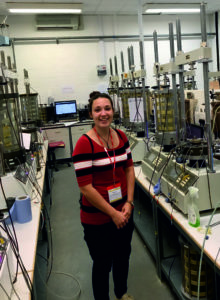
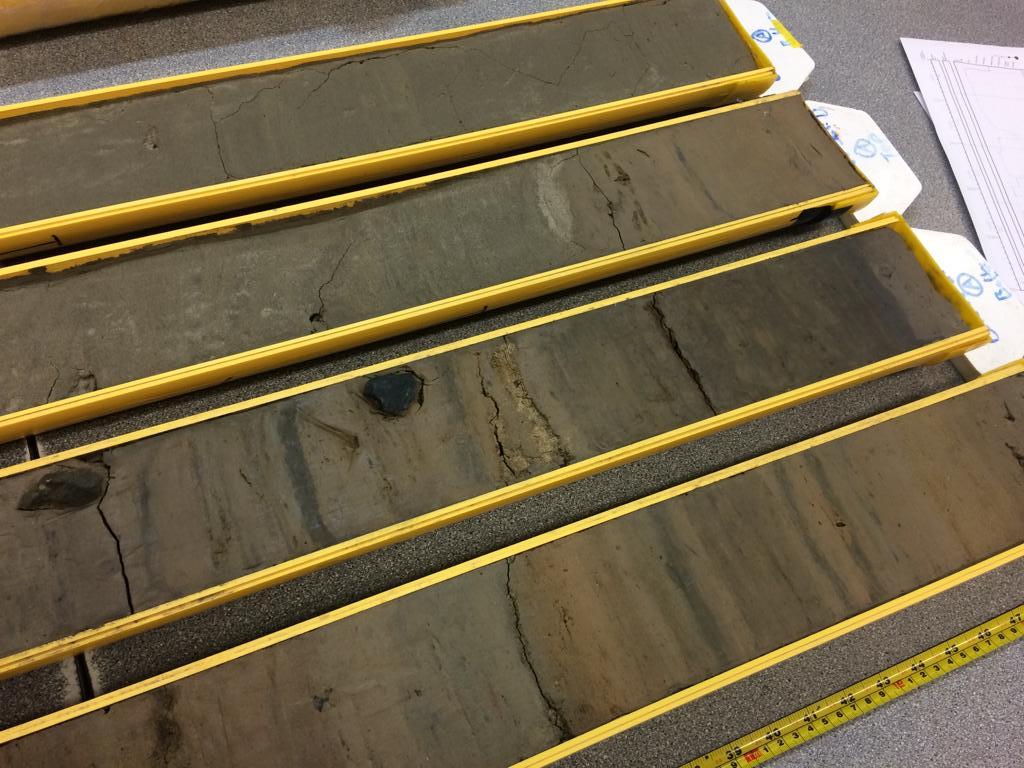
During a cruise in 2014, several cores that extend through, or into, these turbidite sequences were collected in the Aegir Ridge region. These cores are held at the British Ocean Sediment Core Research Facility (BOSCORF), operated by the National Oceanography Centre (NOC) in Southampton. So, during my visit to the UK, I spent a week working at BOSCORF and NOC. I worked on visual logging of one of the key cores in the area and also obtained high-resolution radiograph images of the core. As a geophysicist, I do not often get the chance to work with core material, so this was really a great opportunity to practise my core description and analysis skills.

Unfortunately, there is a large data gap between the Aegir Ridge (where the turbidites are observed) and their potential source region, which makes it difficult to fully understand the process of emplacement of these turbidites. Consequently, this component of my project is currently on hold.

Secondments at VBPR, Oslo
(11 Oct. – 10 Nov. 2018, and 14-25 Jan. 2019)

Following my visit to the UK, I returned to Oslo in order to continue working with the AMS17 3D seismic cube that I first began to work with at the end of August 2018. My goals for this visit were to pick the top and bottom surfaces of the Tampen Slide from the 16,000 km2 3D seismic cube, perform geomorphological analysis of the Tampen Slide headwall region and analyse the internal deformation of the Tampen Slide. I also linked the picked surfaces to other datasets in the vicinity, so as to better map out the extent of the Tampen Slide. I returned to VBPR again for two weeks in January in order to finish mapping out the base of the Tampen Slide and finalise figures for a manuscript I am working on.

Spending so much time away from my home-base of Kiel has made it challenging to get into a routine – for example, committing to a sports team here is out of the question – however, the opportunity to spend extended periods in different cities, experiencing what it is like for locals who call these places home, is both rare and one I am grateful to have had. The SLATE students and members of my supervisory team who are based in Durham, Southampton, and Oslo welcomed me into their lives and routines during the time that I spent in their respective cities, and for that I am immensely grateful.

Impressions

Ifemer 2nd part-Tugdual Gauchery

        My second stay at Ifremer (Best, France), with my co-supervisor Antonio Cattaneo, lasted one month from 15/04 to the 15/05/2019 and aimed to work on the first manuscript. This tight collaboration with Antonio and other experts from Ifremer helped in the writing process. The manuscript deals with the relationships between contourite deposits and submarine landslides studied with multi- and single-channel seismic profiles. Thanks to these profiles, we could look at the evolution of the Pliocene-Pleistocene succession of the Gela Basin (Strait of Sicily, central Mediterranean Sea) from shelf to basin. The sedimentary succession recorded the re-initiation of sediment deposition after the Messinian Salinity crisis (-5.332 Ma). Our interpretation of the profiles indicates that the number of MTDs increased in the northearn sector after the Mid-Pleistocene Transition (0.8 Ma) but remained a few in the south, where they involve the entire stratigraphic succession and are larger in extent, and correspond to identified mass-wasting of contourites deposited after the second last erosional surface (ES2). ES2 is located at the base of one MTD deriving from the collapse of a contourite drift and may have acted as a glide plane.