Kiel Visit N° 4

Monika Wiebe (ESR11) | @ CAU Kiel, Germany (4-27 February 2019)

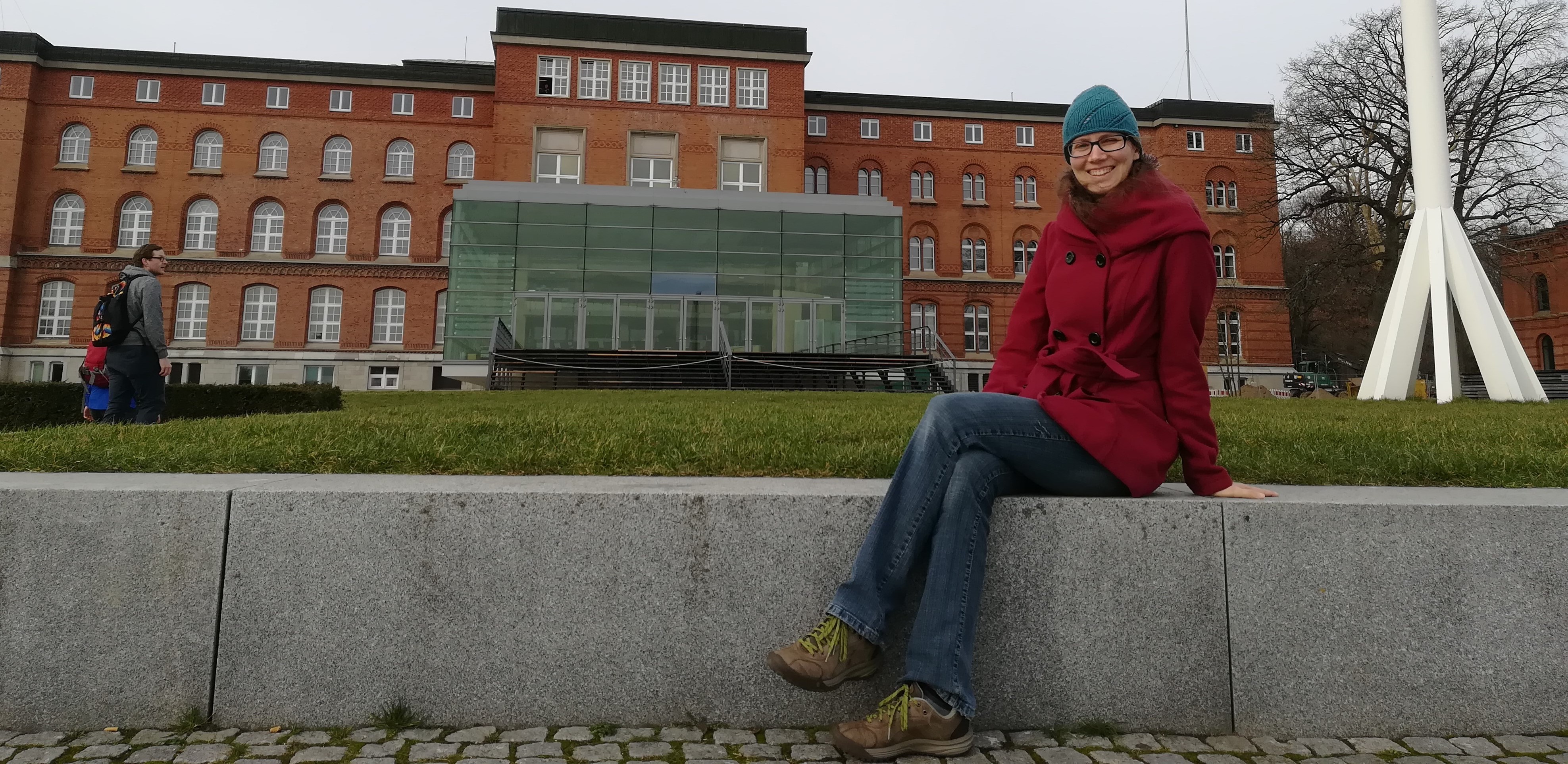
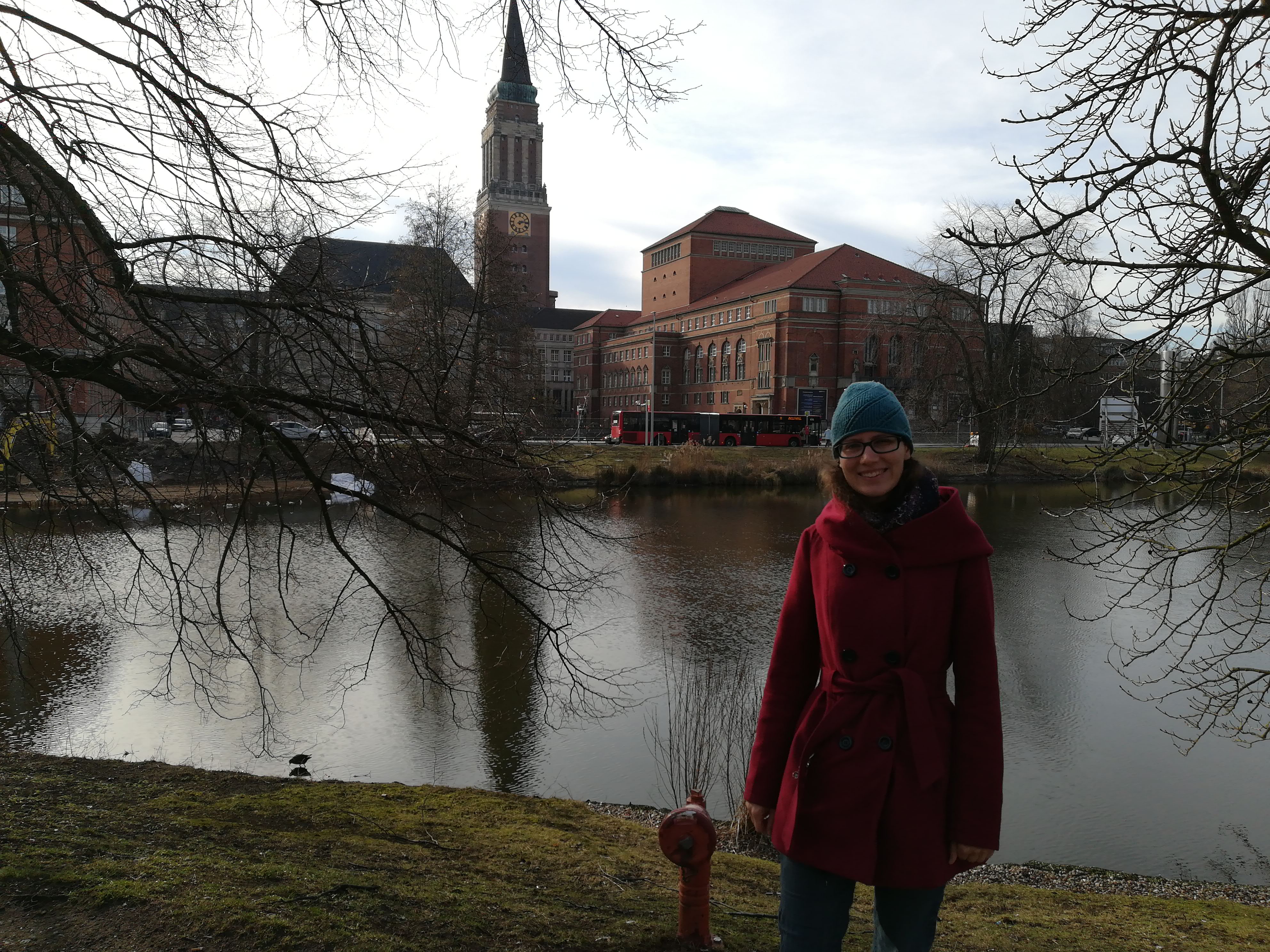
February 2019 brought me back to Kiel – this time for almost four weeks. After my previous three visits (see here, here, and here), I felt almost at home in this charming northern German city. The purpose of another visit was a mixture of the need to get input on seismic analysis, and the desire to get input on my current work progress.

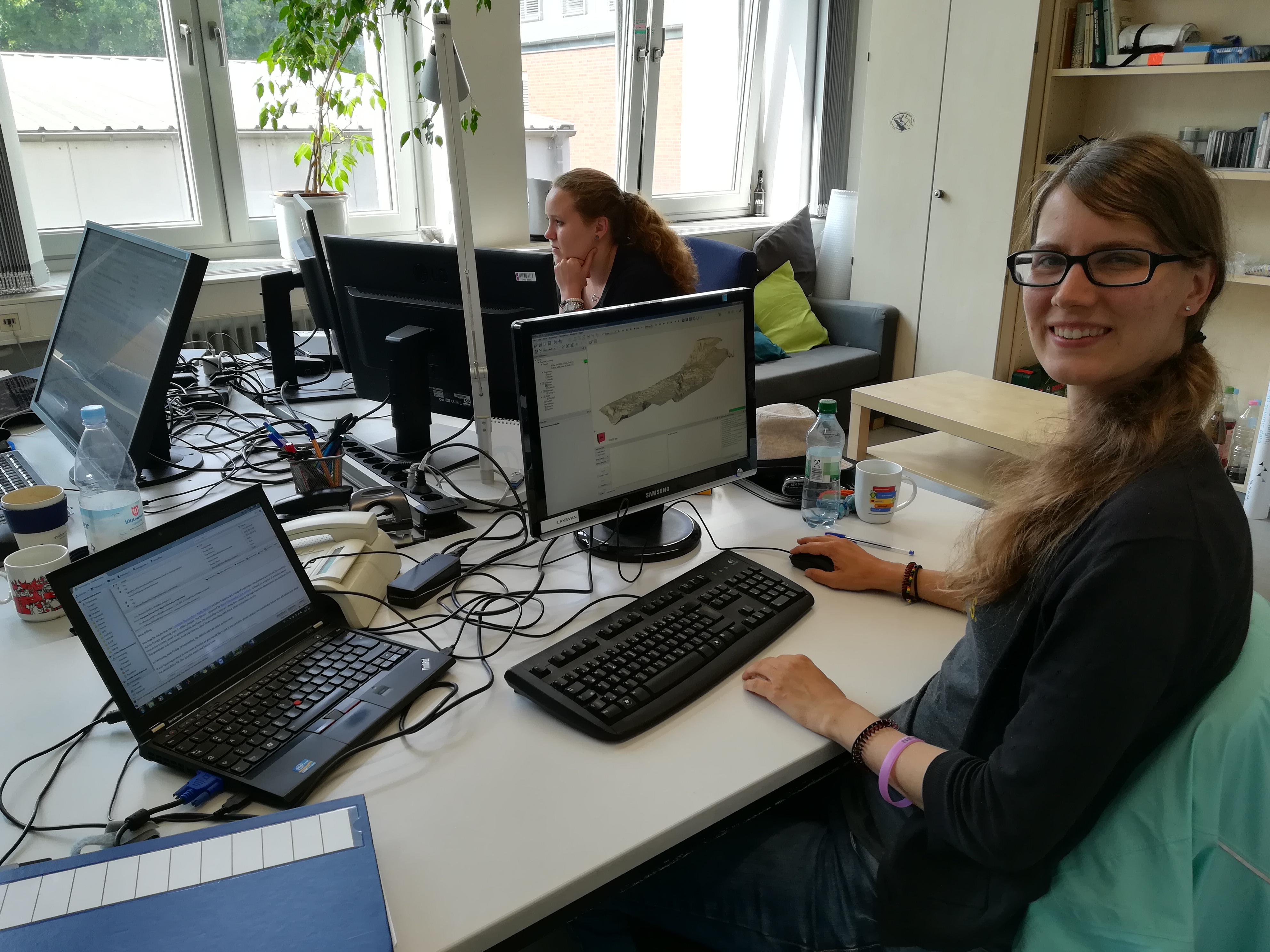
During my stay, I was supervised by Dr. Felix Gross, who helped me with the seismic analysis, and with getting my thoughts organised on how to write a paper. The seismic analysis did not reveal any major results, but having done it myself helped me to better understand the types of data I am dealing with. During meetings with Dr. Gareth Crutchley (GNS Science) and Dr. Morelia Urlaub (GEOMAR) I also got valuable feedback and ideas on how to proceed, which resulted in a new model scenario that I conducted during my stay.

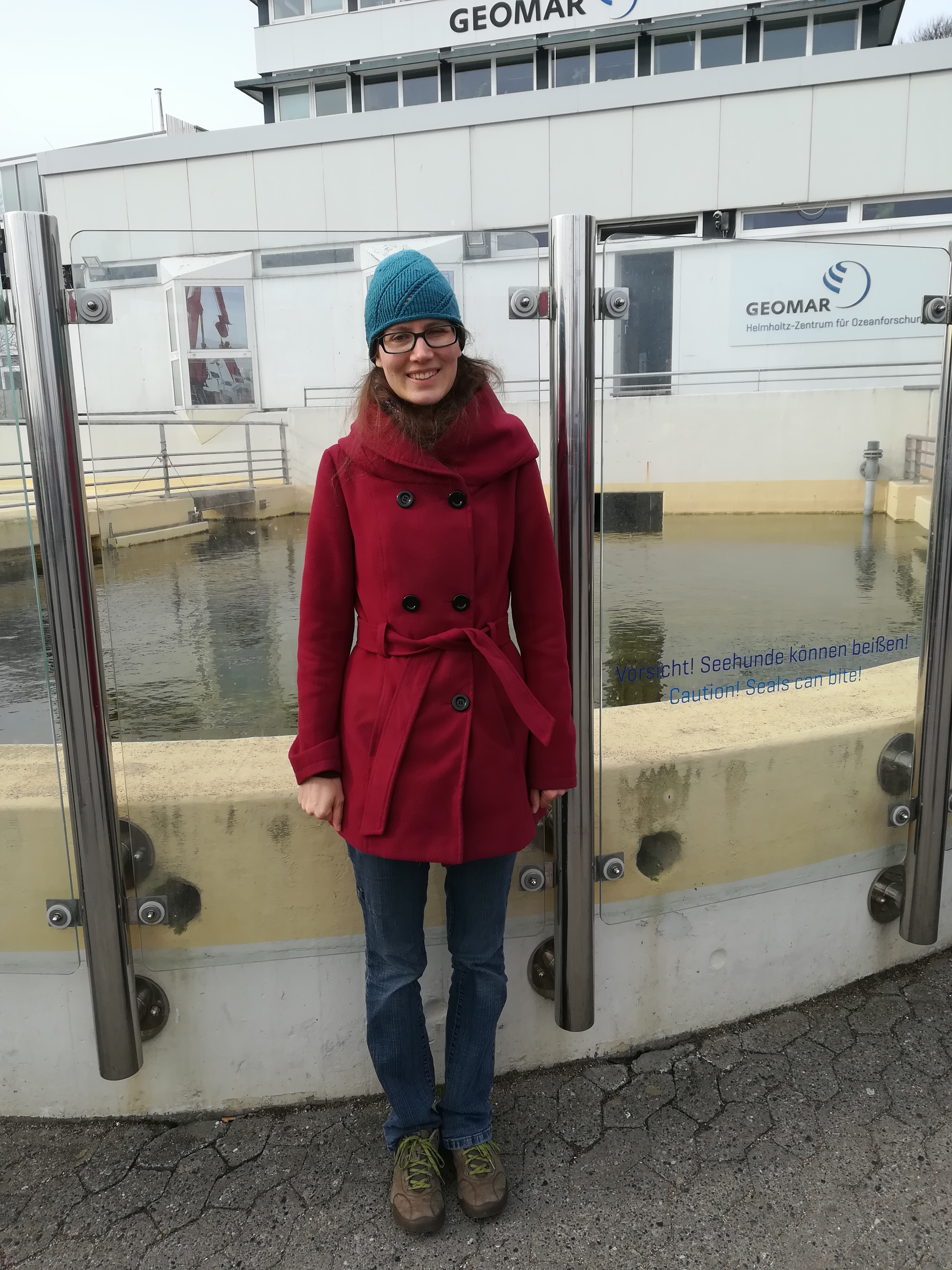
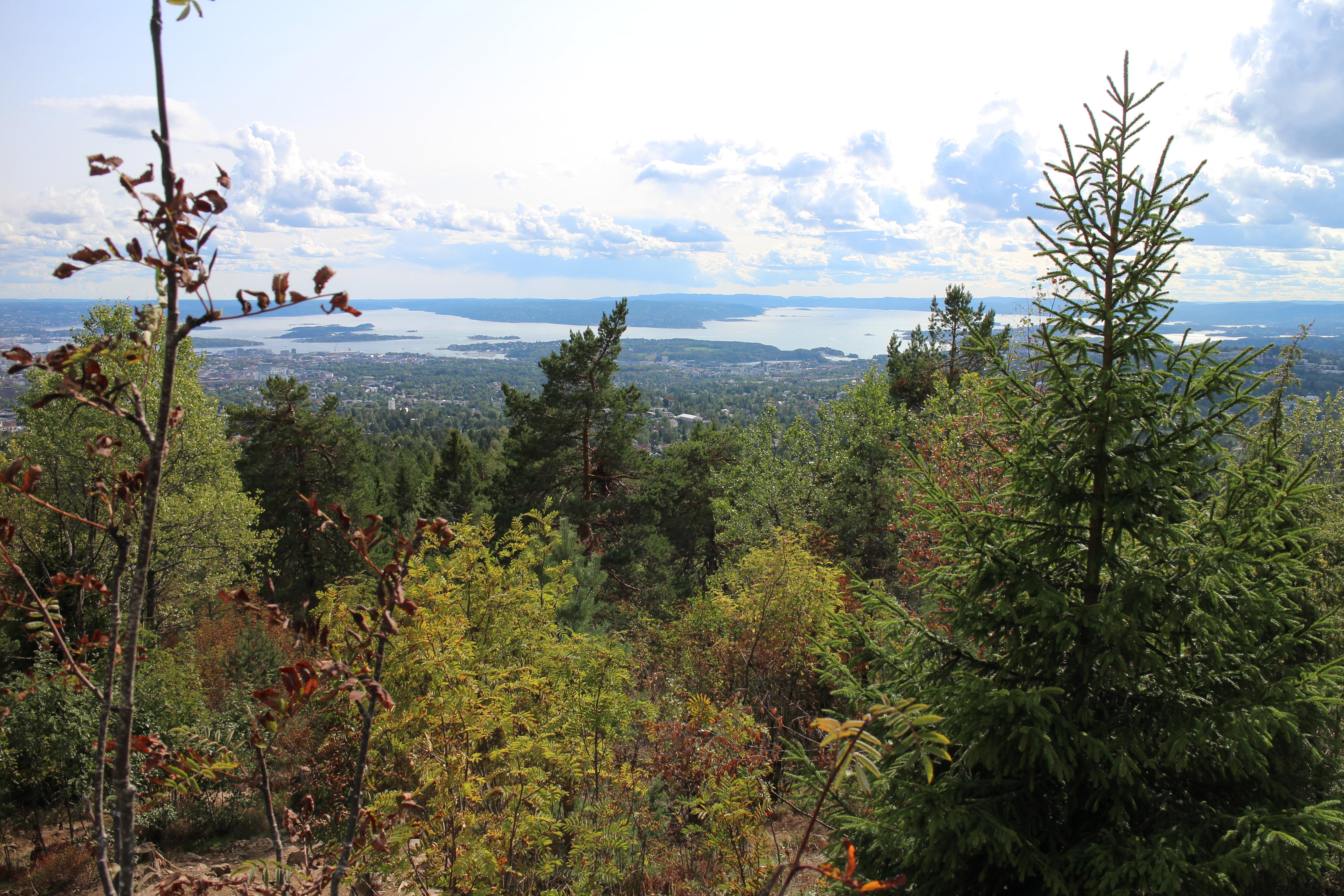
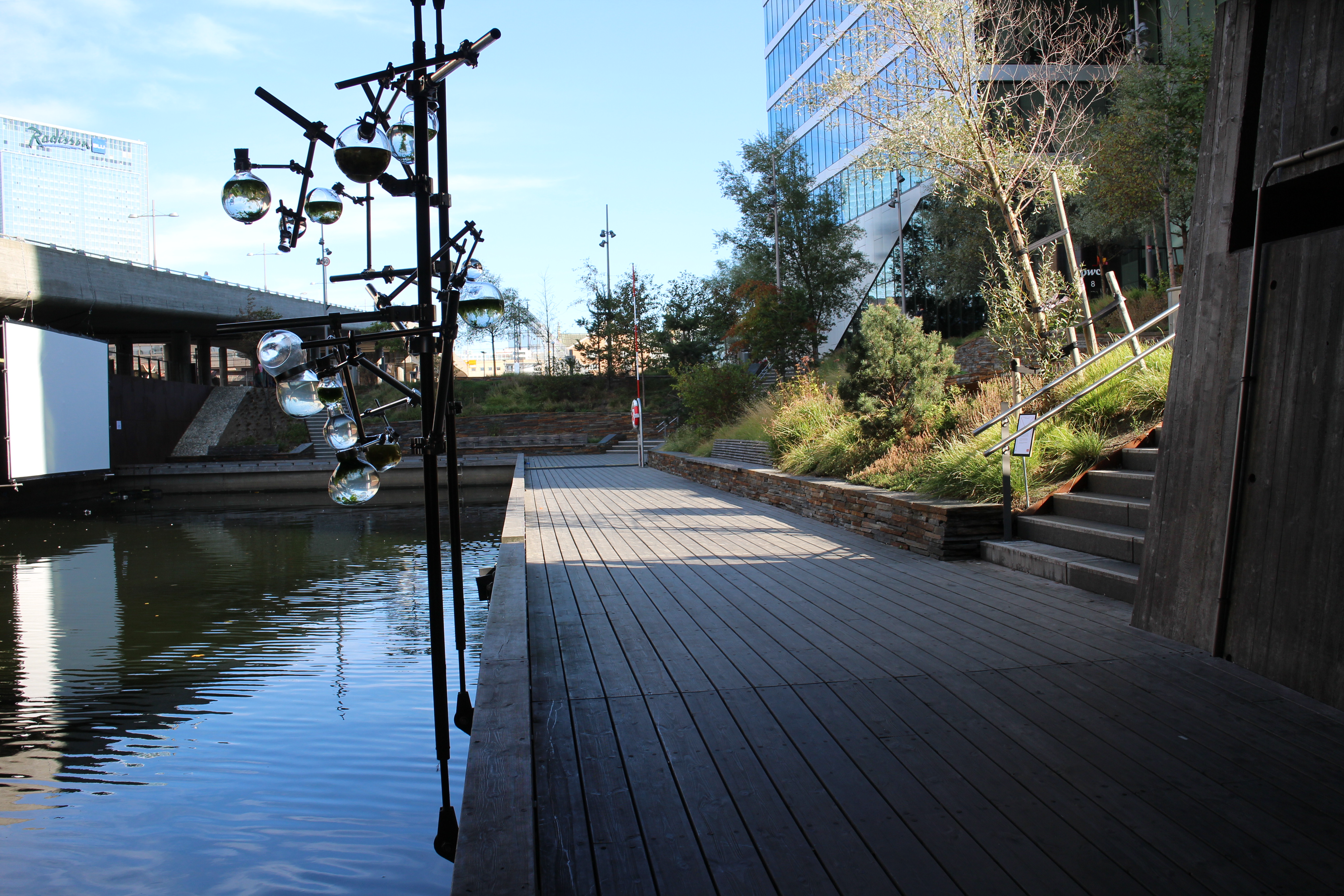
The longer stay also enabled me to see more of Kiel, such as the famous seals in front of the GEOMAR building along the Kieler Förde.

Discussing science - the Tuaheni landslide workshop

Monika Wiebe (ESR11) | @ CAU Kiel, Germany (29-30 November 2018)

The Tuaheni landslide complex offshore New Zealand is one of the most (if not the most) studied landslide complex in recent times. In the last five years, it has been the focus of three research cruises involving multi-national teams of scientists – RV Tangaroa cruise Tan1404 in 2014, RV Sonne cruise SO247 in 2016, and JOIDES Resolution cruise JR372 in 2017/18. Multiple types of data and material have been collected during this time, including a 3D P-Cable seismic cube and sediment cores up to 180 m long. Scientists are continuing to process these data in order to get a better understanding for submarine landslides in general, and the Tuaheni landslide in particular. With so much work happening simultaneously but spread over the whole globe, it is challenging to keep track of who is doing what and which results have been produced already. To address this problem, scientists studying the Tuaheni landslide decided to come together during a two-day workshop to discuss their recent findings and ongoing work. As I also work on the Tuaheni landslide, this includes me.

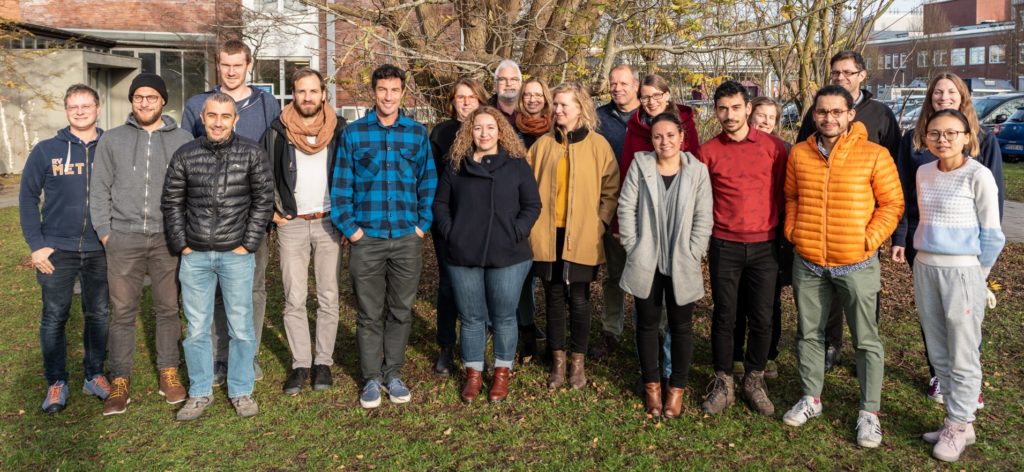
In total 18 participants of six different nationalities travelled to Kiel for the Tuaheni workshop which took place on 29-30 November. I was already familiar with many of the names from paper reading, so it was great to finally be able to associate them with actual people. The first day of the workshop began with introductory talks about the objectives and main outcomes of the three expeditions mentioned above – these have provided the basis for research on the Tuaheni landslide. Then all participants had the chance to present how they have used the data, what they found out, and what they are planning to do in the future. A field trip that had been planned for after lunch on the first day unfortunately had to be cancelled, due to typical rainy November weather in Kiel. Instead, we discussed how to proceed with the workshop and which questions should be addressed in the remaining time. A joint dinner gave us the chance to continue discussions and get to know each other better.

The second day of the workshop was mainly used to work through the topics and questions that had been raised the previous day. We could not solve all of them during the course of that day – naturally – but we managed to come up with some strategies on how best to tackle these open questions. In the end we all agreed that, while we might not have found the big new exciting solution for how the Tuaheni landslide works, the workshop itself was beneficial to all of us. We are planning to meet again next year, when we might be another step closer to unravelling the mysteries of the Tuaheni landslide.

For me, the workshop was part of another secondment to Kiel. I used the days before and after to have more meetings with researchers there to discuss my recent progress and future plans. During my everyday work, I tend to focus on the difficulties and problems that arise. Attending the workshop helped me to see the broader picture and also my own work from a different perspective. I am confident that the contacts I gained and feedback I received will help me in my future progress, and look forward to next year’s workshop.

Secondment at Ifremer, Brest

Tugdual Gauchery (ESR3) | @ IFREMER Brest, France (OCTOBER 2018)

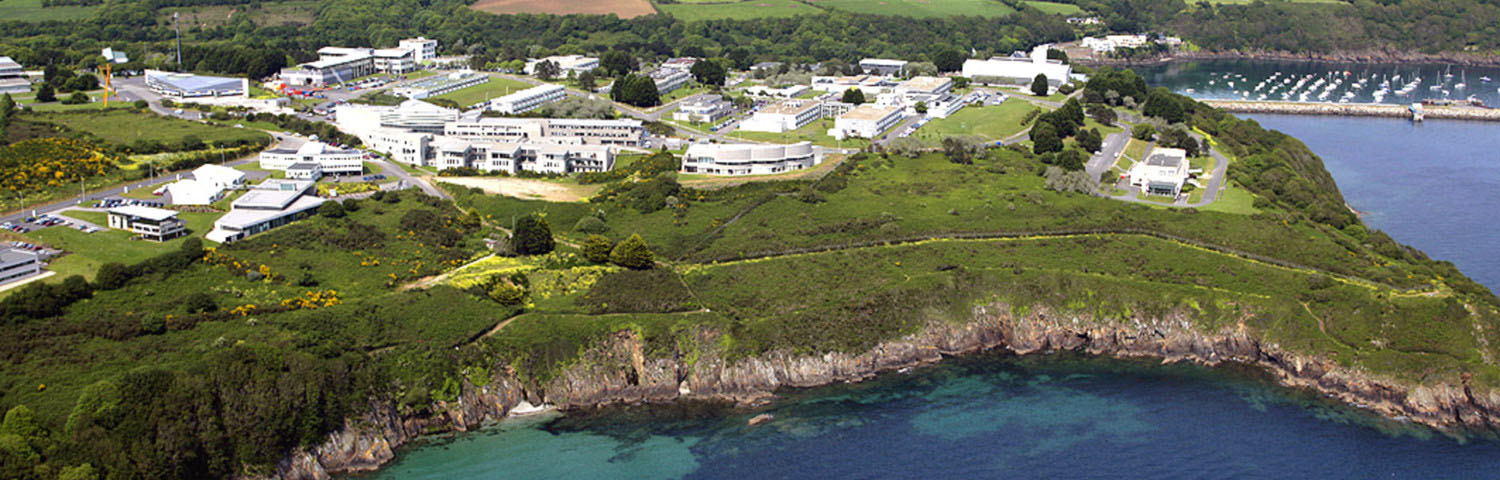
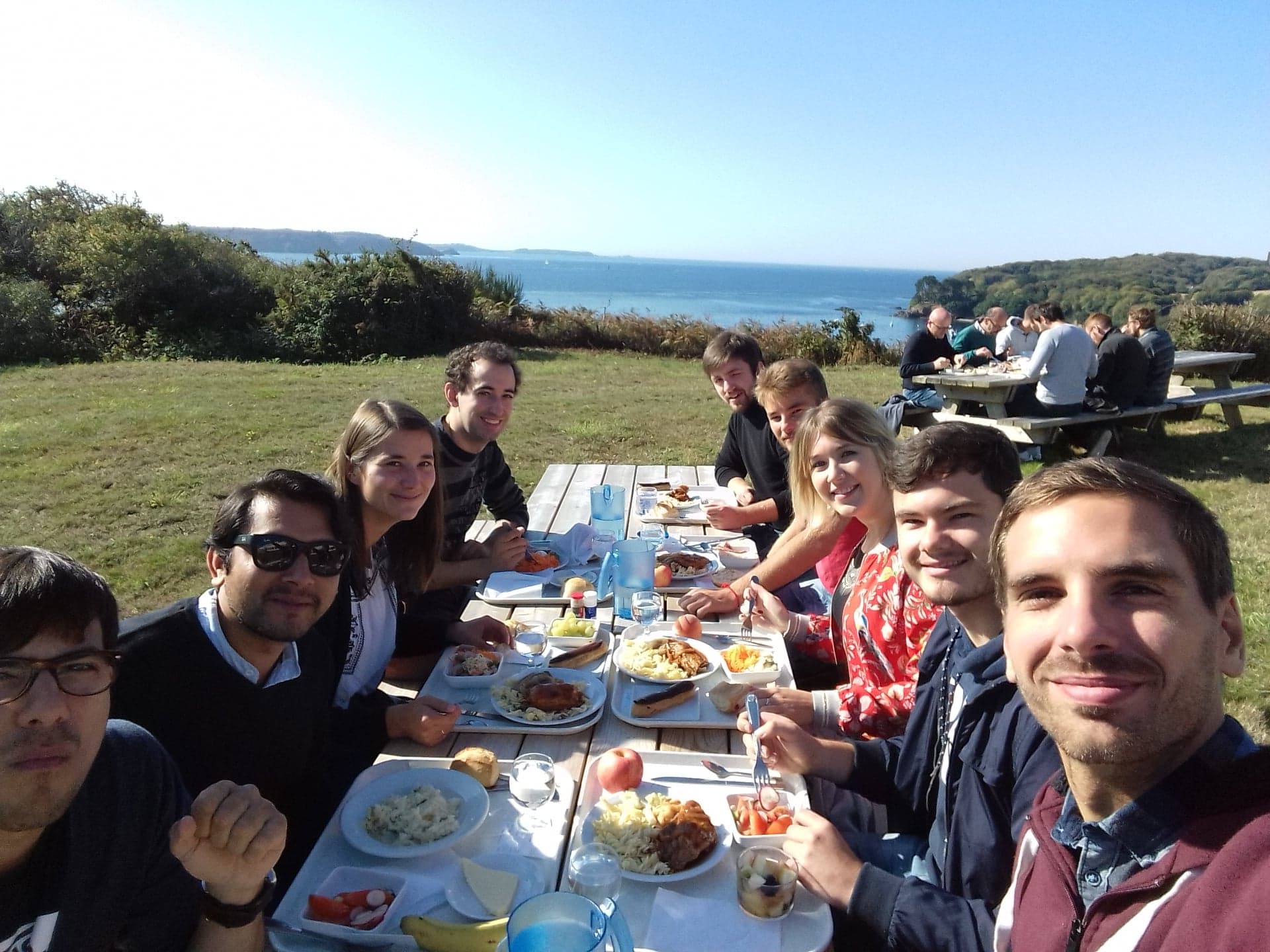
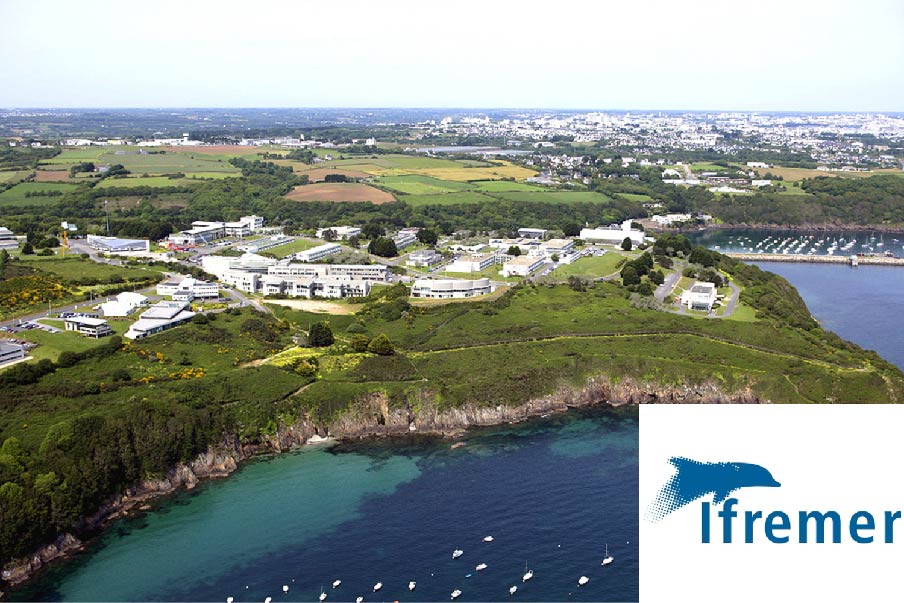
I made a secondment to IFREMER in Brest (France) from late September to beginning of October. The goal of my visit was to do grain size analysis of soft sediments to study the sortable silt (10-63μm) with a MALVER mastersizer 3000. We are particularly interested in this size fraction as it allows us to better understand the action of present and past bottom-currents (McCave et al, 1995). To do so, I sampled every 5 cm on 2 piston cores (9 m and 11 m) recovered from my study area, acidified the samples to destroy the biocomponents (to have only the sediments) and freeze-dried them to dissociate the grains. After the grain size measurement, I started to analyse the data and made some interpretation with the help of my co-supervisor (Antonio Cattaneo). The first results show a very detailed analysis of the grain size corresponding to abrupt climate change between 10 and 20 kyr BP, but are more difficult to interpret in the most recent time as the cores reaches 10 kyr BP around a depth of 1 m. This work will be complemented with analyses on CHIRP sonar profiles and multi-channel seismic profiles to reconstruct the sedimentary dynamics of the Gela Basin (central Mediterranean Sea).

Impressions

Where?
  • IFREMER Brest, France
When?
  • October 2018

Rachel Barrett's research stay at vbpr (oslo, norway)

Rachel Barrett, ESR 1 | 27-31 August 2018

My project has significantly changed direction since this time last year; with the availability of new, very high resolution data being responsible for the shift. TGS recently collected a high resolution 3D seismic cube which covers part of the Tampen slide in the Norwegian Sea, and I was invited to work on this dataset with Benjamin Bellwald and Sverre Planke at VBPR in Oslo.

Multiple large-scale submarine landslides have been identified on the North Sea Fan; and the timing of the largest four of these slides is thought to be related to glacial-interglacial cycles, with a large slide occurring a few thousand years after the transition to an interglacial [Bryn et al., 2005; Solheim et al., 2005]. The Storegga Slide (with a volume of 3500 km3) is the most recent of these large-scale landslides on the Norwegian continental margin, having occurred ~8 ka (thousand years ago). Tampen, the penultimate slide, is purported to have occurred ~125 ka [Berg et al., 2005; Nygård et al., 2005; Solheim et al., 2005]; however, cores collected from the Aegir Ridge in 2014 indicate that this age model may need to be revised. If so, then the preconditioning and triggering mechanisms of the Tampen slide may also require further consideration.

The main goals of my week-long visit to VBPR were to familiarize myself with the new 3D seismic cube; ascertain how that cube can be correlated with other data that images the Tampen slide; and devise a work plan for this component of my project. The team at VBPR were very welcoming and supportive, and I really enjoyed being integrated into their office for the week. It was a new experience for me to be working alongside others who were (are) simultaneously studying different aspects of the same dataset, and I look forward to working with them more in the coming months!

I am also pleased to say that I learnt from my mistake earlier this year – when I had a short research stay in Malta but was too busy to explore much during the weekend I was there – and made the most of the opportunity to explore Oslo; even joining an informal city tour led by the NGI Norwegian teacher (who is also a part-time tour guide), thanks to an invite from fellow SLATE ESRs Thomas and Matthias who are based at NGI (the Norwegian Geotechnical Institute).

References

Berg, K., Solheim, A. and Bryn, P. (2005). The Pleistocene to recent geological development of the Ormen Lange area. Marine and Petroleum Geology, 22(1–2 SPEC. ISS.), pp. 45–56.

Bryn, P. et al. (2005). Explaining the Storegga Slide. Marine and Petroleum Geology, 22(1–2), pp. 11–19.

Nygård et al. (2005). The glacial North Sea Fan, southern Norwegian Margin: architecture and evolution from the upper continental slope to the deep-sea basin. Marine and Petroleum Geology, 22(1–2), pp 71-84.

Solheim, A. et al. (2005). The Storegga Slide complex: repetitive large scale sliding with similar cause and development. Marine and Petroleum Geology, 22(1–2), pp. 97–107.

Research Stay at Christian-Albrechts-Universität (CAU), Kiel, Germany

Monika Wiebe, ESR 11 | 17-20/07/2018

Half a year has passed since my last stay at Christian-Albrechts-Universität (CAU) in Kiel (LINK) and during this time I have mainly followed two tasks: Getting to know the software for modelling gas flow in a porous medium (see Trondheim report, LINK), and working on the seismic, core and heat flow data from the Tuaheni Landslide Complex. I recently returned to CAU in order to present, discuss and get input on my past work.

With this input I was able to improve the seismic horizons and create grids that I need in order to set up my gas flow model. I could also discuss and learn about recent developments in research into this particular landslide, which helps me as I work on my own project. To my delight I had the chance to enjoy Kiel in sunny weather and explore the city more than I did during my last stay.

Monika's Research stay at Migris AS in Trondheim, Norway

Monika Wiebe, ESR 11 | 04-15/06/2018

One of the key tasks of my project is to simulate the migration and accumulation of free gas inside a submarine slope. The goal is to set up a model that considers seismic, core and heat flow data and calculates pore pressures. These can then be used as input for a geomechanical model that simulates failure. In order to accomplish this first step, a modelling software is needed that can simulate the movement of free gas. Such modelling software is used by the petroleum industry to simulate the migration of oil and gas.

Migris AS is a small company located in Trondheim, Norway, that has developed such a software. In June, I was able to visit this company for two weeks in order to learn how to use the software and how to apply it to my case. “My case” means the simulation of free gas migration inside the Tuaheni Landslide Complex offshore New Zealand. Seismic data and sediment cores from this area have been acquired during three recent cruises. These data serve as the basis for setting up my model.

In Trondheim I was welcomed warmly by Dr. Matthias Daszinnies who mainly took care of me during my stay. He supported me a lot in understanding how the software works and setting up a functioning model. During this process we had to make some adjustments to the usual setting-up of a model, as my case is different to the typical petroleum cases. Key differences are that my time scales are much smaller, and I do not need to include processes such as compaction.

Overall my research stay was very successful and helped me to progress in my project. I was able to leave with a simple model for the Tuaheni landslide case which I can improve and extend from here on. In addition to my work at Migris, I had the opportunity to spend two weeks in a charming city and enjoyed hiking in the beautiful nature of Norway.

Where? When?
  • 04-15/06/2018
Supervision
  • Matthias Daszinnies

Report on the first part of my secondment at MARUM, Bremen

Maddalena Sammartini, ESR 15 | 24-29/06/2018

In the investigation of a landslide, the geotechnical characterization of sediments upslope the slide scar is a common and fundamental study, providing information about pre-conditioning and trigger mechanisms, and failure evolution. Furthermore, core and geotechnical data of an unfailed slope are widely used for the stability assessment, and geohazard evaluation of the area.

The same cannot be said for basin sediments, which are generally not taken into consideration for the characterization of the instability. One question we want to address is whether the geotechnical properties of sediments at the base of the slope can play an important role in the failure initiation and in the frontal style of the deposit (frontally emergent or frontally confined). To do so, we chose as natural laboratory Lake Lucerne, in which a huge dataset of geophysical and core data is already available from previous surveys. Furthermore, Lake Lucerne is one of the focus sites of the ongoing SNF Sinergia Project, which aim is to understand better “fresh water” tsunami.

In March I had the opportunity to join the SNF Sinergia Project CPT campaign and I acquired several CPT measurements in four different sites (see previous report). For each site we acquired transects of CPTs in order to study the variability in geotechnical properties along and outside a slide deposit, and to understand the role of frontal buttress.

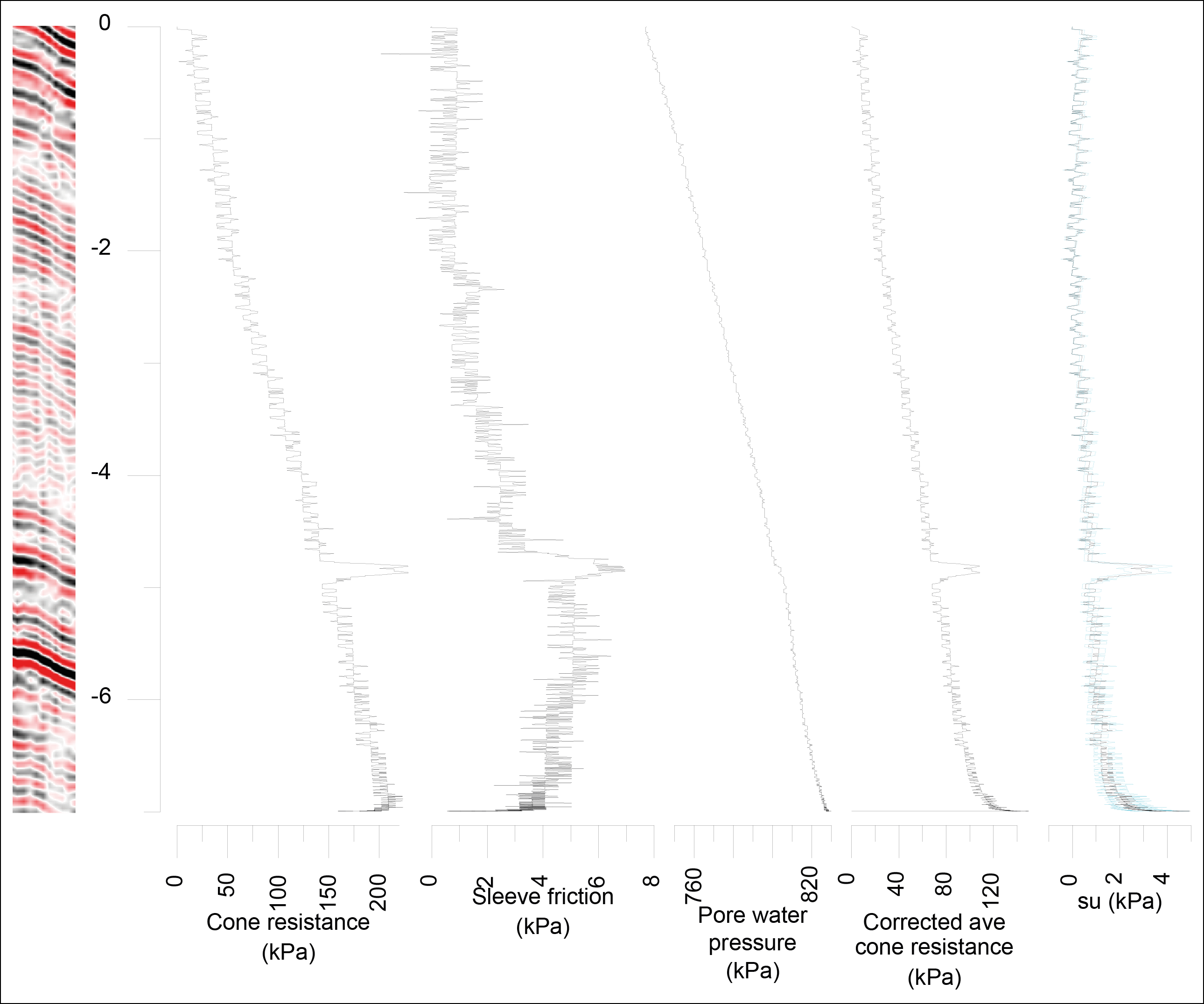
At the end of June (24th-29th) I visited MARUM in Bremen for a week-long meeting on CPT data processing and interpretation. Under the supervision of Dr. Sylvia Stegmann, I started to deal with the different parameters that are involved in CPT measurements and with the different steps in the CPT processing routine using the FFCPTuPro Software. The main steps are conversion of the files, from raw data to ascii file, calibration of the instrument sensors, depth calculation and penetration rate correction. The depth calculation is without doubts the trickiest step. In here, you have to pick the moment in which the instrument started the penetration and the moment in which it stopped. Based on this time interval, the software is calculating the penetration depth. In case of soft sediments, common in the lake basins, the transition from water column to sediments is not distinct and therefore it is necessary to do some assumptions based on field observations (i.e. if and until where the instrument was dirty after the measure). The result of the processing are different graphs showing the local variability with depth of geotechnical parameters, such as cone resistance, sleeve friction, undrained shear strength and pore pressure. All of them are used for the characterization of the sediments. The week at MARUM was intense and at the end I finished the processing of all the CPTs we acquired in March, and started with the interpretation of the data.

Further steps ahead are some laboratory tests in cores and the organization of the new campaign in Lake Lucerne, which will take place right before the SLATE annual meeting in September. We aim to acquire new seismic lines, new CPTs, especially in the Zinnen landslide area, and new cores, useful for our geotechnical study.

My stay in Bremen, which is part of one of my secondments, has been fundamental for my introduction to the “CPT world”. Furthermore, it gave me many useful ideas for the upcoming campaign.

Where? When?
  • 24-29/06/2018
Supervision

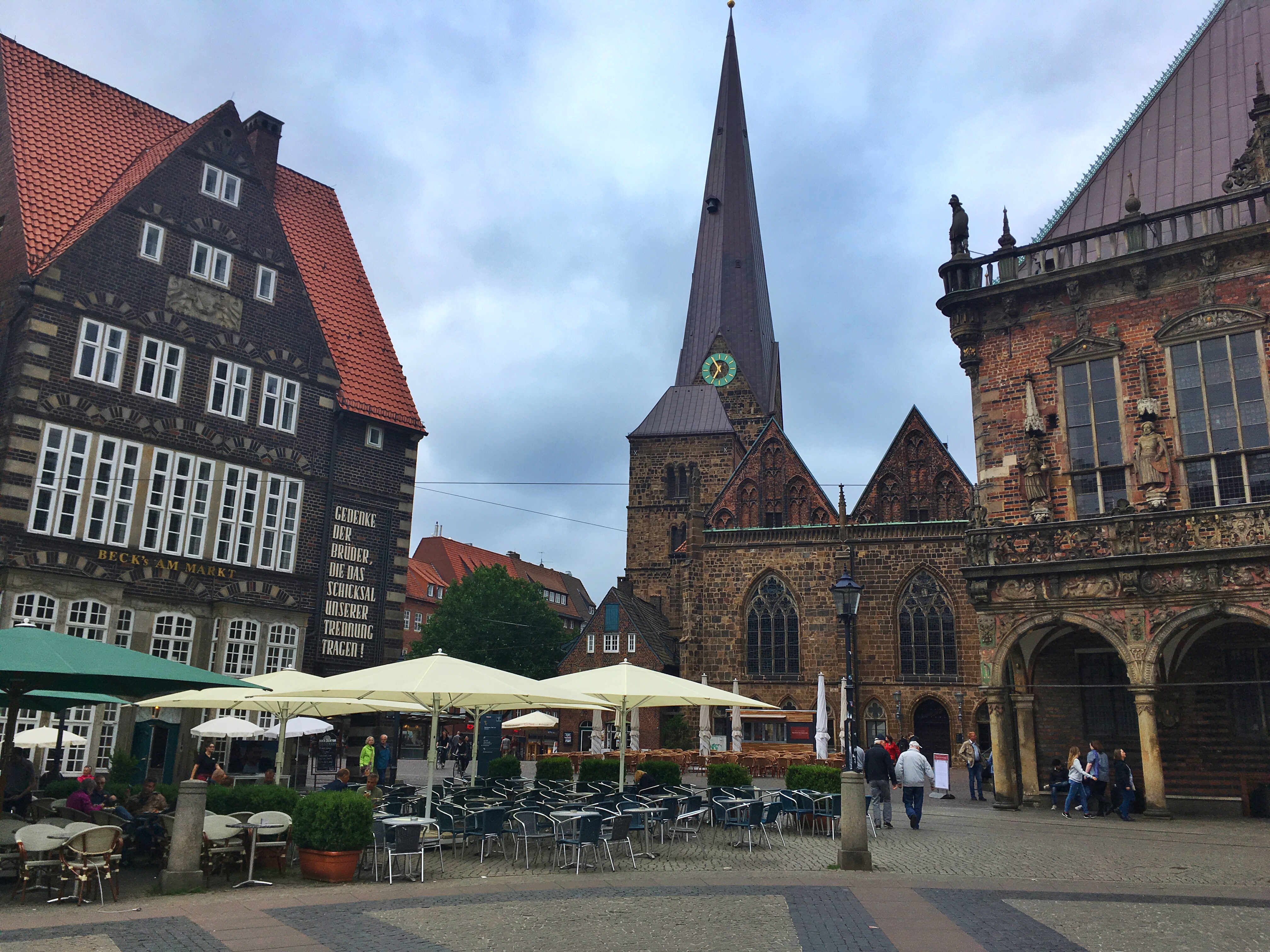
View on the historic Bremen market square

Example of CPT data

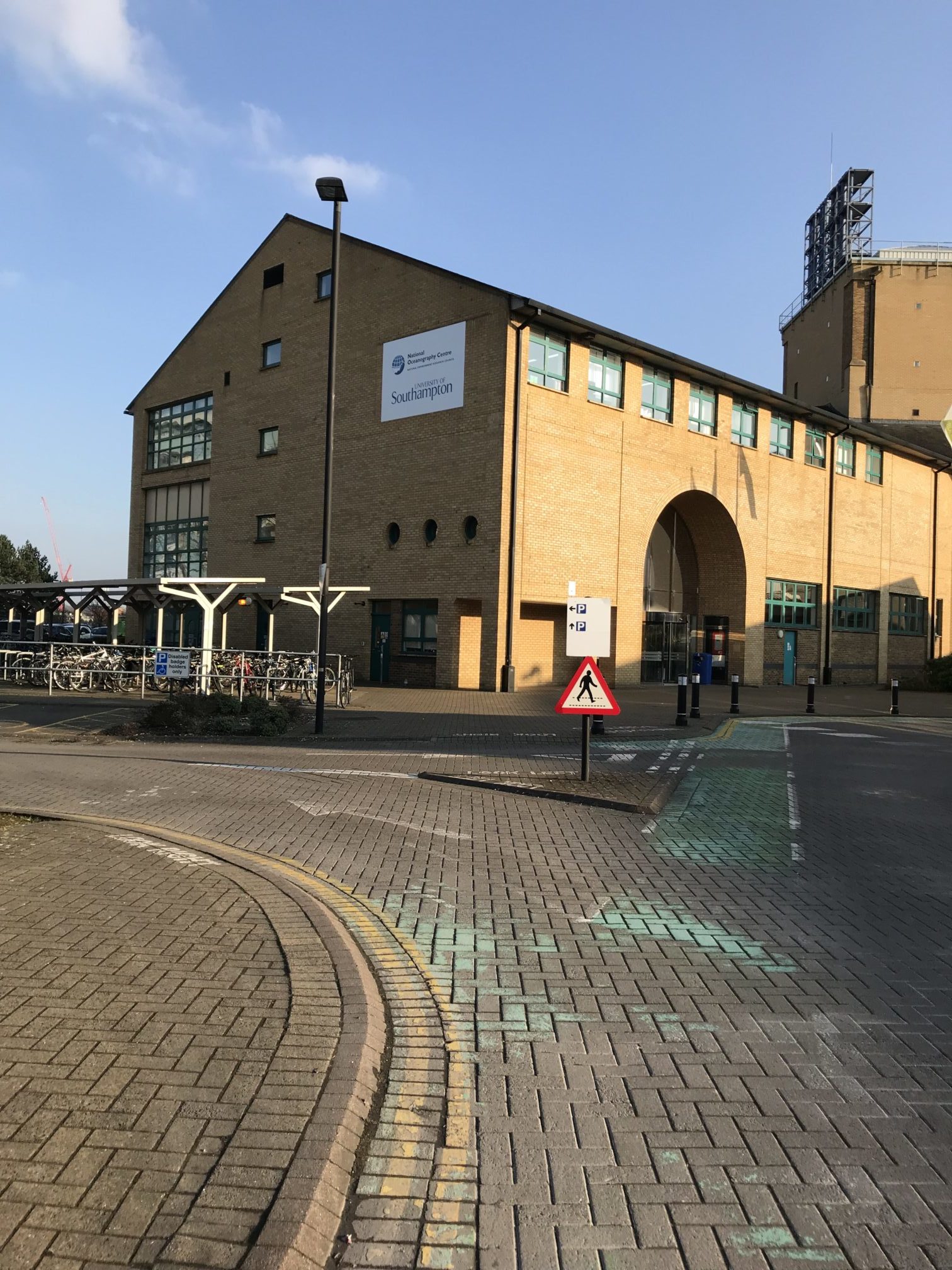
Return to Southampton: My second stay at the National Oceanographic Centre Southampton (NOCS) and the University of Southampton

Ricarda Gatter, ESR 9 | May 2018

Southampton, known as the cruise capital of Europe, is a major port in South East England, just over an hour away from London. The University of Southampton has a global reputation for its research in oceanography, engineering and Earth science, and is home to the National Oceanographic Centre Southampton (NOCS). NOCS is a world-leading centre for research, teaching and technology development in ocean and Earth science.

After my first stay in February (Report), I returned to Southampton in May to continue my work on µCT (micro-Computed Tomography) data. In particular, I focused on the data from the AFEN Slide (UK) and the Finneidfjord Slide (Norway). These two examples are of interest, because the available cores penetrated the failure planes of the slides, which are the focus of my PhD project.

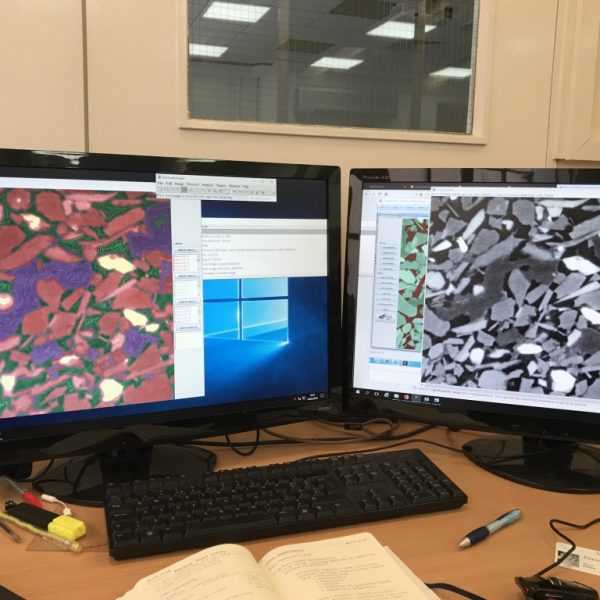
High-resolution µCT can be applied for the three-dimensional characterisation of individual particles in a sediment. The analysis of this data is accomplished by a series of steps, which include image pre-processing and filtering, image segmentation of particles, and subsequent textural and compositional analysis. At the µ-VIS X-Ray Imaging Centre at the University of Southampton, I was shown how to use the programs Fiji and Avizo 3D for image segmentation and 3D particle extraction.

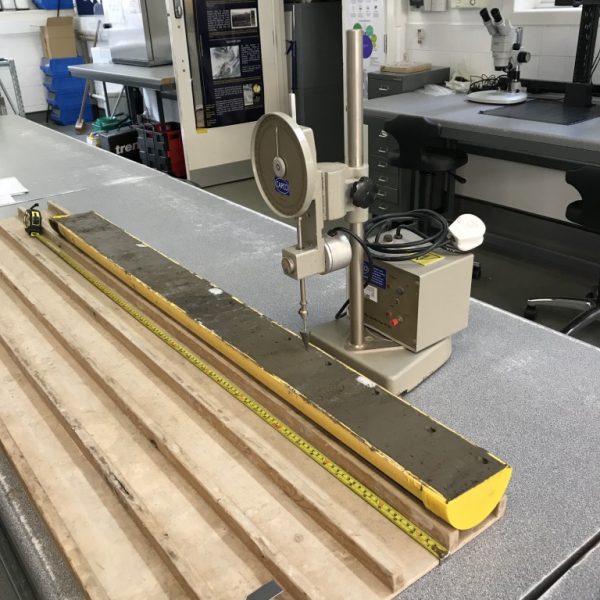
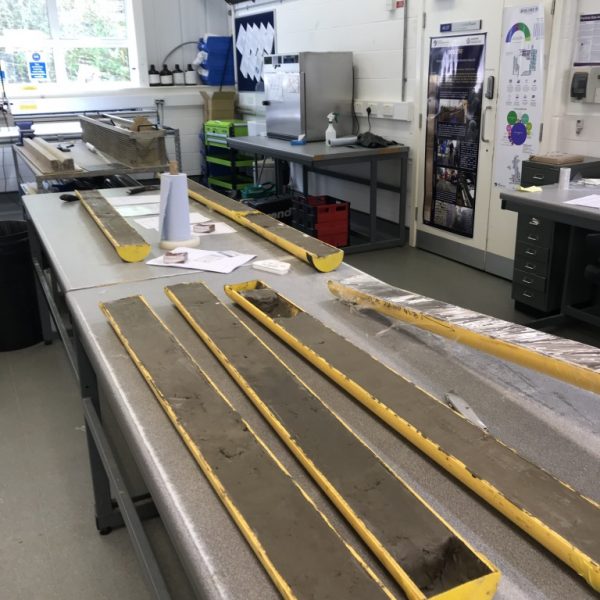
In addition, I gathered sedimentological and geotechnical data from the AFEN cores at the British Ocean Sediment Core Research Facility (BOSCORF). BOSCORF is the UK national deep sea core repository, set up by the Natural Environment Research Council (NERC). There, I was introduced to the BOSCORF stuff, Vicki Taylor, Mike Edwards and Miros Charidemou. All three of them gave me great assistance during my stay, preparing the cores and guiding me when using BOSCORF equipment. I am extremely grateful for all their help and support.

During my stay, I also had the chance to meet Dr. Mark Vardy (SAND geophysics), who has done a lot of work on the Finneidfjord Slide. He gave me more information on the slide and about the research that has been done so far. The discussion we had was very helpful to resolve how my research could fill the gaps in the current work.

I would also like to thank Dr. James Hunt (NOCS) for his guidance regarding the AFEN slide, and Dr. Madhusudhan B.N. Murthy for supervising me during my stay in Southampton and helping me with the geotechnical data acquisition at BOSCORF and the Geotechnics Lab at the University of Southampton.

Apart from my work, I also had the opportunity to participate in a range of social events, such as the Common People Festival and the Southampton park run. Moreover, I met amazing people, who made my stay even more enjoyable and I am already looking forward to see them again!

Tugdual's research stay with Eni

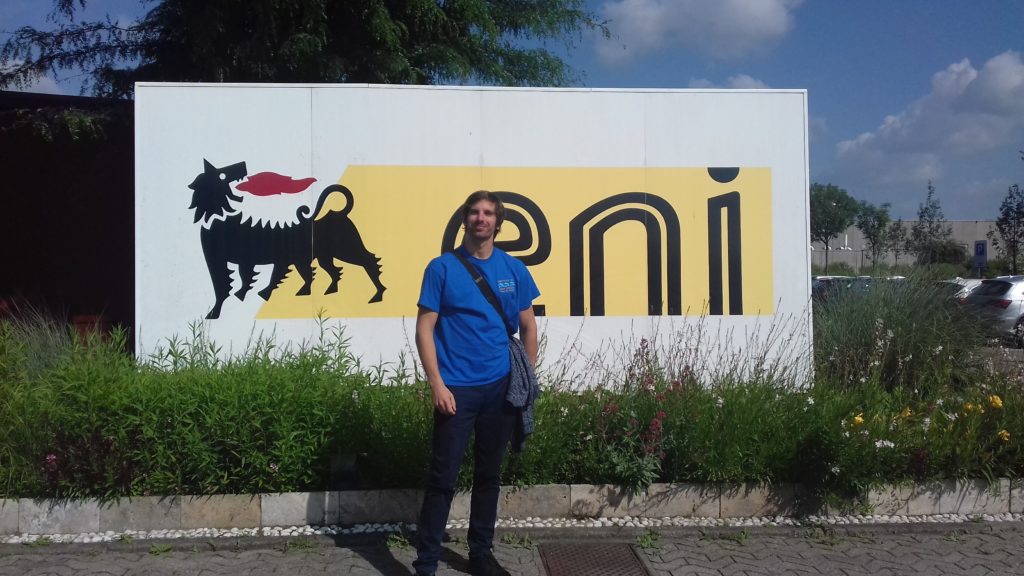
Tugdual Gauchery (ESR3) | @ ENI, Milan, Italy (21-25 May 2018)

After my participation to the conference in Victoria (British Columbia), I had the chance to accompany my supervisor (Marzia Rovere) and 3 people from ISMAR to the Eni laboratories in Milan. As they are involved in the SPOT Project (Potentially Triggerable Offshore Seismicity and Tsunamis, ABSTRACT), they had a special authorization to access the data room for a limited time (2 weeks). My supervisor made the demand if I also could have the access to some of the data for my PhD.

Eni is an energy company, one of the global oil and gas super-players employing 33,000 people and operating in oil and gas exploration, production, refining and selling. This one-week visit was a great opportunity to visualize 2D Multi-Channel Seismic profiles they collected in the east of the Gela Basin. One of my main observations is that the pre-existing topography controlled the extension of the MTDs (Mass Transport Deposits).  Moreover, I was able to define a few geological ages along the slope by picking horizons on seismic lines where drilling well profiles are located. In fact, drilling wells were recovered on the Malta Plateau and some of the core logs are accessible online (ViDEPI). Thanks to this, I extended the horizons picked (representing different geological time moments) towards my study area. This was not an easy exercise because many crossing lines have to be picked before reaching the study area and the picking is not always obvious from one line to another. This is why it makes it easier to choose drilling wells (which also have the data available online) close to the study area to reduce the risk of misinterpreting. 

I would like to say thank you to my supervisor for asking an access to the data room and her precious advice, the Eni company for granting access to the data, and my colleagues from ISMAR for answering my questions and helping me with my work. 

Where?
  • ENI, Milan, Italy
When?
  • 21-25/05/2018

Ricarda Gatter’s secondment at the NOC and University of Southampton

Ricarda Gatter, ESR 9 | 19-23/02/2018

In my PhD project, I investigate factors that pre-condition submarine slopes to fail. I focus on the characterisation of the material near the basal failure planes of different slides and the material’s behaviour prior and during the initial stages of slope failure. The processes occurring prior and during failure are still poorly understood, as they cannot be directly observed or monitored, at least not on a grain-scaled level. However, this information is necessary to gain a deeper understanding of the failure mechanism and hence, the slide evolution itself.

In order to investigate the failure processes at the initial stage of submarine landslides, I will conduct 3D numerical shear experiments. These experiments will be combined with a comprehensive dataset of micro-Computed Tomography (µCT) images and sedimentological analyses of selected cores from different submarine landslides. From this dataset, information about sediment composition and texture, as well as porosity and permeability estimations, in the vicinity of the basal shear planes will be gathered. This information will directly act as data input for the numerical simulations.

The µ-VIS X-Ray Imaging Centre at the University of Southampton, a centre for Computed Tomography (CT), provides complete support for 3D imaging science. The centre encompasses seven complementary scanning systems, which support spatial resolutions down to approximately 200 nm. This high resolution enables the visualisation and 3D reconstruction of single grains or clasts inside the sediment cores.

In February, I took off to Southampton to work with my second supervisor Dr. Michael Clare from the National Oceanographic Centre, Southampton (NOCS). He introduced me to Dr. Madhusudhan B.N. Murthy from the University of Southampton, who has acquired a number of µCT scans from various cores, which I will use to set up my numerical model. My short 5-day stay served as an introduction to µCT, to screen the available data, and as a preparation for a longer stay in spring 2018.

Although my stay in Southampton was very short, I really enjoyed my time there. I was able to look through the available data and make new acquaintances at NOCS and the University of Southampton. I also got the chance to meet Maarten again, another PhD student in the SLATE project. It was great to hear about what he was working on and to meet some of the other PhD students he is working with at NOCS. I am looking forward to my second stay at Southampton and future successful collaborations with the University and NOCS.